Decoding Medusa’s Snakes: What They Represent in Mythology
I. Introduction
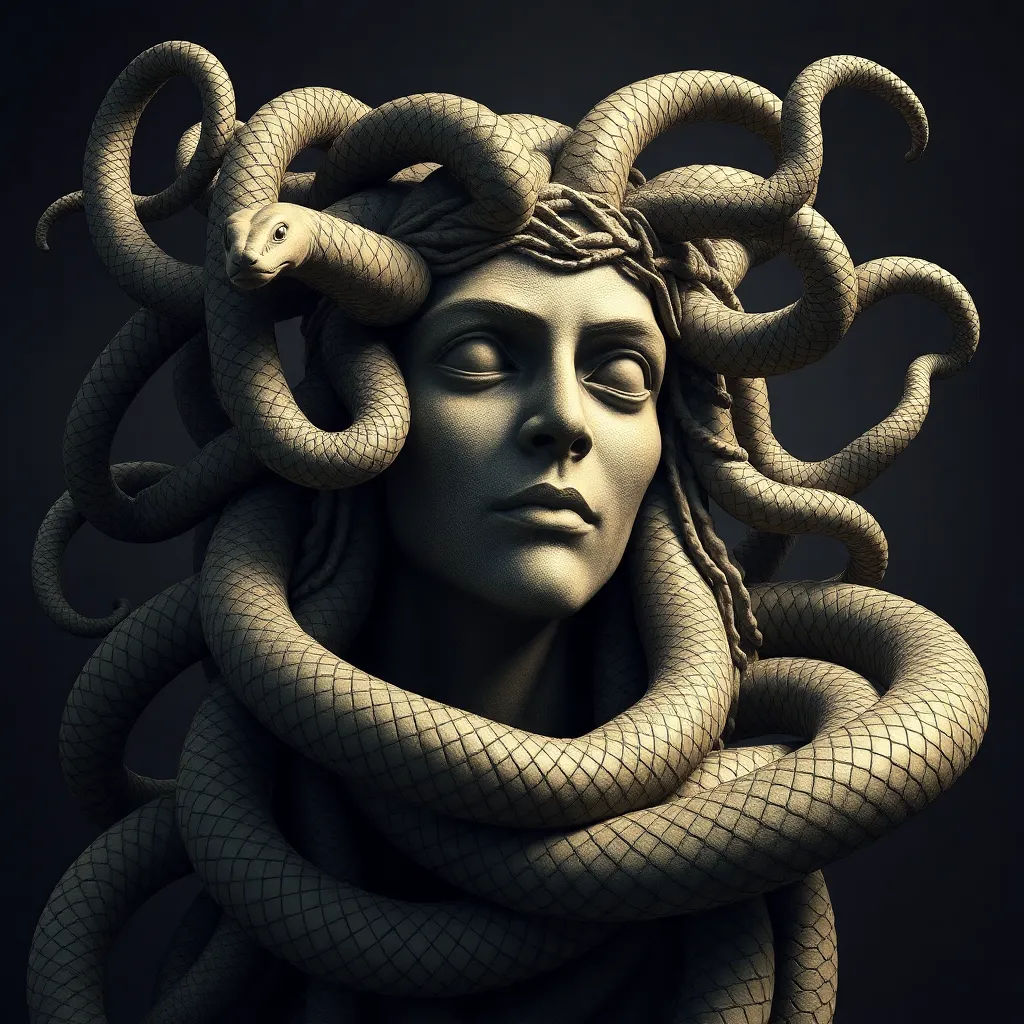
Medusa, one of the most iconic figures in Greek mythology, is known for her striking appearance and terrifying powers. Often depicted with a head full of snakes instead of hair, Medusa has fascinated and horrified audiences for centuries. The snakes themselves play a crucial role in her representation, symbolizing various themes that resonate deeply within the human psyche.
The purpose of this article is to explore the rich symbolism of Medusa’s snakes, delving into their origins, meanings, and the impact they have had on art, literature, and culture throughout history.
II. The Origins of Medusa
Medusa’s story begins with her origins in Greek mythology. Once a beautiful maiden, she was a priestess of Athena, dedicated to a life of chastity. However, her fate took a tragic turn when Poseidon, the god of the sea, violated her in Athena’s temple. In response to this desecration, Athena transformed Medusa into a Gorgon, cursing her with a monstrous appearance and the ability to turn anyone who gazed upon her into stone.
This transformation is significant as it highlights the themes of victimization and punishment. Medusa’s backstory is essential for understanding the symbolism of her snakes, as they represent both her torment and her power. The snakes signify her anger and pain, turning her into a fearsome figure who embodies both beauty and monstrosity.
III. Symbolism of the Snakes
The snakes that adorn Medusa’s head are steeped in symbolism, representing various aspects of fear and empowerment.
- Fear and Danger: The snakes are a manifestation of the fear that Medusa invokes. They serve as a warning to those who might approach her, symbolizing the deadly consequences of crossing her path.
- Female Rage and Empowerment: The snakes can also be interpreted as a representation of female rage. Medusa’s transformation can be seen as a rebellion against the oppression she faced, with her snakes embodying her fury and strength.
- Beauty and Monstrosity: Medusa straddles the line between beauty and horror. Her snakes symbolize the duality of her nature, showing that beauty can coexist with monstrosity, challenging traditional notions of femininity.
IV. Medusa in Art and Literature
Medusa’s image has been depicted in various forms of art throughout history, from ancient sculpture to modern pop culture.
- Ancient Art: In ancient Greece, Medusa was often portrayed in pottery and sculptures, typically conveying her terrifying aspect. Artists would emphasize her snakes, creating an image that evoked both awe and fear.
- Classical Literature: In classical texts, such as Ovid’s “Metamorphoses,” Medusa’s story is elaborated upon, exploring her transformation and the consequences of her curse. These literary works contributed to her complex characterization.
- Modern Interpretations: In contemporary culture, Medusa has been reimagined in films, novels, and artwork, often portraying her as a misunderstood figure rather than just a monster. This shift highlights the ongoing relevance of her story and the symbolism of her snakes.
V. Psychological Interpretations
The symbolism of Medusa’s snakes can also be analyzed through a psychological lens, revealing deeper meanings related to the subconscious mind.
- Subconscious Mind: The snakes can represent the hidden fears and anxieties that lurk within the subconscious. They embody the darker aspects of the psyche, reflecting the fears that individuals may not confront directly.
- Themes of Trauma and Victimhood: Medusa’s narrative touches on themes of trauma and victimhood, with her snakes symbolizing the scars of her past. This transformation from victim to monster can resonate with those who have experienced similar struggles.
- Archetype of the ‘Feminine’: Medusa has become an archetype representing the complexities of femininity. Her snakes embody the multifaceted nature of women, encompassing both nurturing and destructive qualities.
VI. Cultural Impact and Legacy
Medusa’s influence extends beyond mythology into contemporary culture, where her image and symbolism continue to resonate.
- Contemporary Culture: Medusa appears in various forms of media, including films, literature, and fashion, often symbolizing female empowerment and resistance against oppression.
- Feminist Movements: The symbolism of Medusa’s snakes has been embraced by feminist movements, representing the strength and rage of women who have been wronged. Medusa has become a symbol of empowerment in the fight against misogyny.
- Influence on Storytelling: Her story and image influence modern storytelling, where themes of transformation, vengeance, and resilience are explored through diverse narratives that echo her timeless tale.
VII. Comparative Mythology
Medusa is not unique in her representation of snakes. Across various cultures, similar figures embody the symbolic meanings associated with serpents.
- Similar Figures: Many cultures have snake goddesses or figures associated with transformation and danger, such as the Hindu goddess Kali or the Aztec goddess Coatlicue.
- Common Themes: Themes of rebirth, danger, and the duality of nature are prevalent in these figures, illustrating the universal significance of snakes in mythology.
- Universal Snake Symbolism: The symbolism of snakes is often associated with knowledge, transformation, and the balance between good and evil, showcasing the complexity of their representation in mythologies worldwide.
VIII. Conclusion
In conclusion, Medusa’s snakes are rich in symbolism, representing fear, rage, empowerment, and the complexities of femininity. Her story reflects the struggles and transformations that resonate through mythology and culture, offering insights into the human experience.
The lasting impact of Medusa and her snakes invites ongoing exploration and interpretation, encouraging us to delve deeper into the meanings behind this iconic figure and her serpentine companions.