The Fearsome Nature of Cerberus: Exploring His Characteristics
I. Introduction
In the vast tapestry of Greek mythology, few creatures embody the blend of fear and fascination as Cerberus, the three-headed dog who guards the gates of the Underworld. This fearsome guardian has captured the imaginations of many, representing both the inevitability of death and the protection of the sacred realm of Hades. In this article, we will explore the origins, characteristics, and cultural significance of Cerberus, delving into his role in ancient myths and his lasting impact on modern interpretations of monsters.
II. Origins of Cerberus
A. Birth and parentage
Cerberus is the offspring of the monstrous Typhon and Echidna, both of whom are considered some of the most fearsome creatures in Greek mythology. Typhon, a giant with a hundred dragon heads, and Echidna, known as the mother of monsters, gave birth to a lineage of terrifying entities, with Cerberus being one of their most notable offspring.
B. Role in Greek mythology
In Greek mythology, Cerberus serves a crucial role as the guardian of the Underworld. He is tasked with preventing the souls of the dead from escaping and ensuring that the living do not enter without permission. His fierce demeanor and formidable appearance are integral to his function as a protector of the realm of the dead.
C. Connection to the Underworld
Cerberus is often depicted as the gatekeeper of Hades, the Greek god of the Underworld. His presence reinforces the boundaries between life and death, making him a symbol of the transition that all souls must undergo. In this sense, Cerberus embodies the finality of death and the unknown that lies beyond.
III. Physical Characteristics
A. Description of Cerberus’ appearance
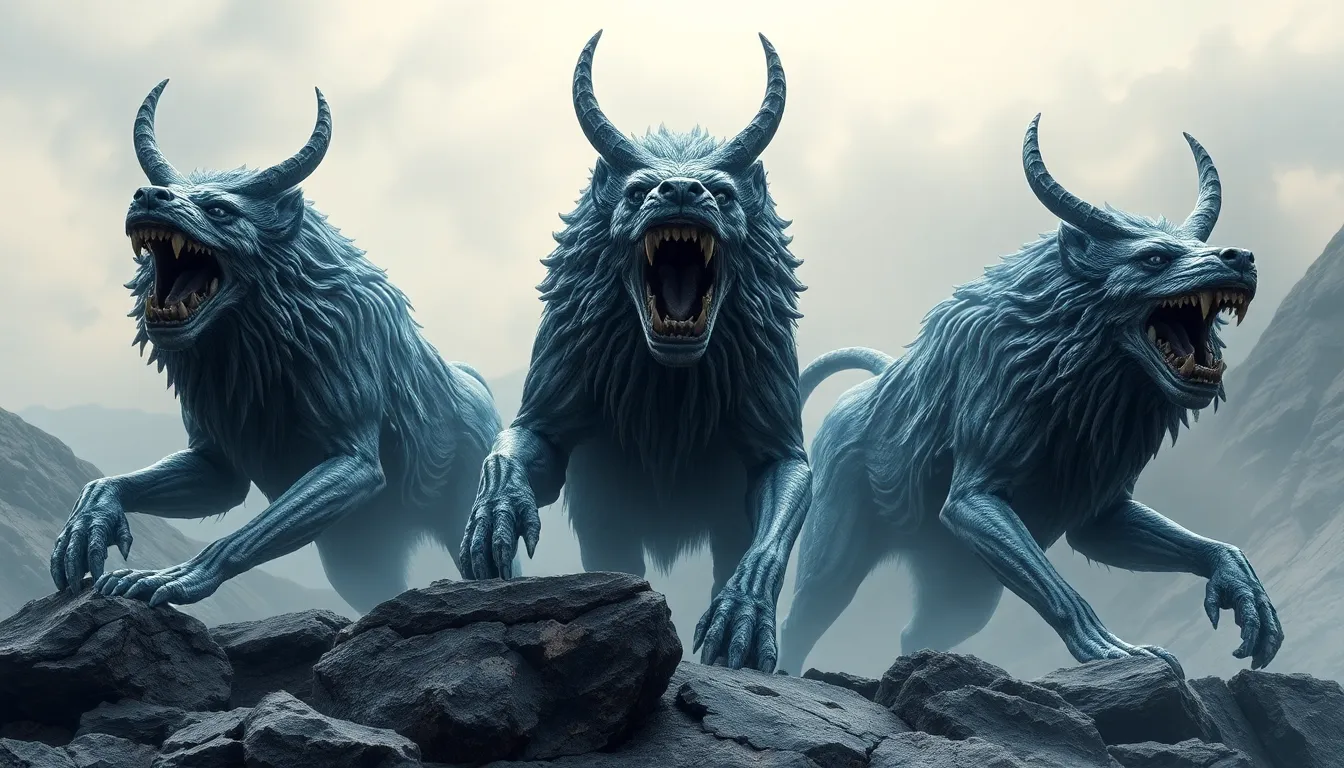
Cerberus is most commonly described as a massive dog with three ferocious heads, each capable of growling and snapping at intruders. His size and strength enhance his fearsome reputation, making him a powerful guardian of the Underworld.
B. Symbolism of his three heads
The three heads of Cerberus are rich in symbolism:
- Past: One head represents the past, symbolizing the memories and lives of the souls he guards.
- Present: The second head signifies the present, the moment of judgment for the souls entering the Underworld.
- Future: The third head embodies the future, representing the unknown fate awaiting each soul.
C. Other notable features
Beyond his three heads, Cerberus is often depicted with a serpent tail and a mane of snakes, further enhancing his terrifying appearance. These features not only contribute to his fearsome image but also symbolize his connection to other monstrous entities within Greek mythology.
IV. Cerberus’ Role in the Underworld
A. Guardian of Hades
As the guardian of Hades, Cerberus has a vital role in maintaining the order of the Underworld. He ensures that souls enter but do not escape, embodying the finality of death and the importance of boundaries between the living and the dead.
B. Responsibilities in the afterlife
Cerberus is tasked with several responsibilities in the afterlife, including:
- Preventing souls from leaving the Underworld.
- Welcoming new arrivals and guiding them to their respective places.
- Discouraging living beings from trespassing into the domain of the dead.
C. Interactions with souls entering and leaving
Cerberus’s interactions with souls are often depicted as both terrifying and poignant. While he is fearsome, he also embodies the respect due to the dead, ensuring that they are treated with the dignity of their passage into the afterlife.
V. Cerberus in Greek Myths
A. Notable stories involving Cerberus
Cerberus appears in several notable myths, most famously in the Twelve Labors of Heracles. In this story, Heracles must capture Cerberus and bring him to the surface world, showcasing the hero’s bravery and strength.
B. Encounters with heroes
The encounter between Heracles and Cerberus is particularly significant. Heracles, known for his incredible feats, faces Cerberus as a test of his strength and resolve. This myth highlights the duality of Cerberus as both a fearsome monster and a guardian that must be respected.
C. Cerberus as a symbol of fear and protection
Throughout Greek mythology, Cerberus represents both fear and protection. He is feared by those who enter the Underworld, yet he also serves a protective role, ensuring that the dead remain undisturbed and safe from the living.
VI. Symbolism and Interpretation
A. Cerberus as a representation of death and the afterlife
Cerberus is often interpreted as a representation of death and the afterlife, symbolizing the inevitability of mortality. His presence at the gates of the Underworld serves as a reminder of the finality that awaits all living beings.
B. The dual nature of fear and safety
The dual nature of Cerberus embodies both fear and safety. While he instills terror in those who encounter him, he also provides a sense of safety for the souls of the dead, ensuring that they are protected in their realm.
C. Influence on modern interpretations of monsters
Cerberus has influenced modern interpretations of monsters in literature and media. His image as a fierce guardian has inspired countless representations of monstrous beings, often depicted as complex characters with dual roles of fear and protection.
VII. Cerberus in Popular Culture
A. Depictions in literature, art, and film
Cerberus has been depicted in various forms of literature and art throughout history. From classical sculptures to modern films, his image continues to evoke a sense of awe and terror.
B. Cerberus in video games and other media
In contemporary video games and media, Cerberus often appears as a formidable opponent or a guardian figure. Titles such as “God of War” and “Hades” showcase his character in engaging ways that explore his mythological roots.
C. Influence on contemporary monster archetypes
Cerberus has influenced the creation of various monster archetypes in popular culture, representing the intersection of fear, guardianship, and the supernatural. His legacy endures as a symbol of the complexity of monsters in storytelling.
VIII. Conclusion
In summary, Cerberus stands as a significant figure in Greek mythology, embodying the complexities of fear, death, and protection. His characteristics and the symbolism associated with him highlight the ancient Greeks’ understanding of the afterlife and their reverence for the boundaries between life and death. Cerberus remains an enduring symbol of the human experience, reminding us of the inevitability of mortality and the mysteries that lie beyond. The legacy of Cerberus continues to resonate in modern culture, reflecting our ongoing fascination with monsters and the myths that shape our understanding of fear and safety in the world.