The Chimera’s Habitat: Where This Mythical Creature Was Believed to Roam
I. Introduction to the Chimera
The Chimera is one of the most fascinating creatures from Greek mythology, often depicted as a monstrous hybrid. Traditionally, it is described as having the body of a lion, a goat’s head protruding from its back, and a tail that ends with a serpent’s head. This terrifying creature is not only a symbol of chaos but also represents the blending of different elements into one fearsome entity.
Originating in ancient Greek mythology, the Chimera’s stories are rooted in the rich tapestry of mythological narratives that seek to explain natural phenomena and embody the fears and hopes of ancient civilizations. The myth of the Chimera has been passed down through generations, maintaining a significant place in the lore of ancient Greece.
II. Historical Context of the Chimera’s Existence
In ancient Greece, mythology played a crucial role in the understanding of the world. Mythical creatures like the Chimera served various purposes, from cautionary tales to explanations of the unexplainable. The significance of such creatures was profound, as they represented the unknown dangers that lurked in the world.
The Chimera is prominently featured in various works of Greek literature, including Homer’s “Iliad” and the writings of Hesiod. Its fearsome nature often symbolized the chaotic and unpredictable aspects of life, reflecting the struggles of heroes who battled against such formidable forces.
III. Geographic Locations Associated with the Chimera
A. Lycia: The Mountainous Homeland of the Chimera
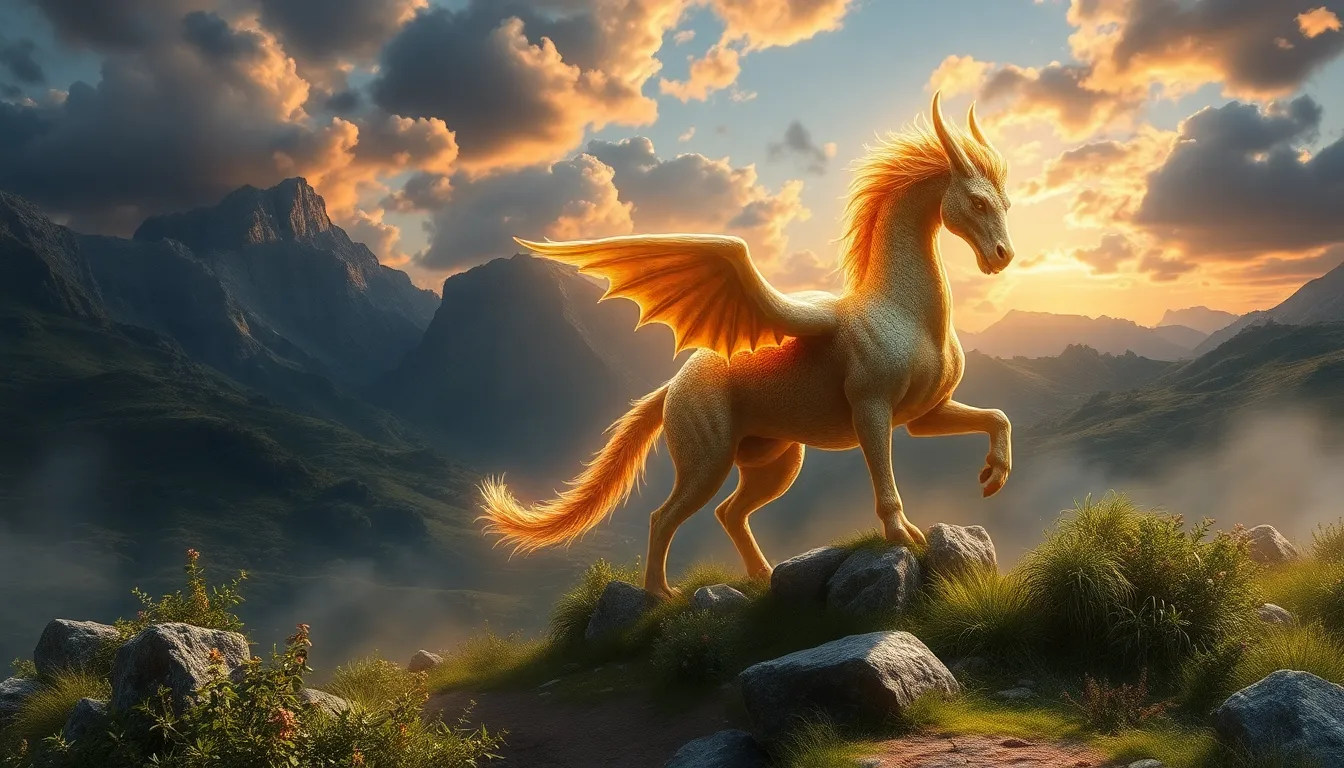
According to myth, the Chimera was believed to inhabit the rugged terrain of Lycia, a region in what is now southwestern Turkey. This area was known for its dramatic landscapes, including steep mountains and rocky outcrops that provided the perfect habitat for a creature of such ferocity and unpredictability.
B. Other Regions in Ancient Greece Linked to Chimera Legends
- Mount Olympus: The home of the gods, where mythical creatures were often said to roam.
- Argos: A city linked to many heroic tales, including the exploits of Bellerophon, who fought the Chimera.
- Corinth: Known for its rich mythology, this area also featured stories involving the Chimera.
IV. The Natural Environment of the Chimera
A. Description of the Terrains Believed to Be Inhabited by the Chimera
The mountainous regions of Lycia, with their steep cliffs and rocky landscapes, provided an ideal backdrop for the Chimera’s legend. The challenging terrain was not only difficult for humans to navigate but also served as a natural fortress for the creature.
B. Flora and Fauna of the Regions Associated with the Creature
The environment around Lycia was rich with diverse flora and fauna. The dense forests and rugged mountains were home to:
- Pine trees and ancient oaks that formed a canopy over the woodland areas.
- Various herbaceous plants that flourished in the undergrowth.
- Wild animals such as deer, boars, and birds of prey, which contributed to the ecosystem’s balance.
V. The Chimera in Cultural Narratives
A. Variations of the Chimera Myth Across Different Cultures
The myth of the Chimera has transcended Greek mythology and found its way into various cultures around the world. Similar hybrid creatures can be found in:
- Mesopotamian Mythology: The Lamassu, a protective deity often depicted with a human head, lion’s body, and bird’s wings.
- Egyptian Mythology: The Sphinx, combining human intelligence with the strength of a lion.
B. Artistic Representations and Their Geographical Influences
Throughout history, the Chimera has been depicted in various forms of art, from ancient pottery to modern sculptures. These representations often reflect the geographical influences of the artists, showcasing the Chimera’s fearsome nature in unique ways.
VI. Symbolism and Significance of the Chimera’s Habitat
A. The Chimera as a Symbol of Chaos and Its Implications in Its Environment
The Chimera embodies chaos, representing the fears and uncertainties faced by ancient peoples. Its habitat, with its treacherous landscapes, mirrors the unpredictability of life and the dangers that lurk in the unknown.
B. Exploration of How Habitat Shapes the Understanding of Mythological Creatures
The environment of a mythological creature like the Chimera significantly shapes its narrative. The rugged mountains and wild landscapes enhance the creature’s ferocity, making it a fitting representation of the chaotic forces of nature that ancient Greeks sought to understand and conquer.
VII. Modern Interpretations and References
A. The Chimera’s Influence on Contemporary Literature and Media
In modern literature and media, the Chimera continues to captivate audiences. Its legacy can be seen in:
- Books like “The Legend of Bellerophon” that retell its myth.
- Films and video games that feature hybrid creatures inspired by the Chimera.
B. Current Locations Inspired by the Chimera Myth in Tourism and Culture
Today, locations associated with the Chimera, especially in Lycia, attract tourists interested in mythology. The ancient ruins and breathtaking landscapes serve as a reminder of the rich cultural heritage tied to this mythical creature.
VIII. Conclusion
The habitat of the Chimera, deeply rooted in the mountainous terrain of Lycia and other regions of ancient Greece, reflects the cultural significance of this mythical beast. The stories surrounding the Chimera illustrate humanity’s attempts to understand chaos and the unpredictable nature of life.
As we explore the legacy of the Chimera, it becomes clear that this creature continues to inspire fascination and intrigue, reminding us of the power of mythology to shape our understanding of the world, both in ancient times and in modern society.