The Chimera and Its Representation of Chaos vs. Order
I. Introduction
The Chimera, a formidable creature in Greek mythology, is often depicted as a hybrid beast, combining features of a lion, goat, and serpent. This unique composition raises profound questions about the nature of chaos and order, two themes that have been central to mythological narratives throughout history.
This article aims to explore the duality represented by the Chimera, delving into its mythological origins, its symbolic significance in the context of chaos and order, and its enduring legacy in both ancient and modern discourse.
II. The Mythological Origins of the Chimera
The Chimera has its roots in ancient Greek mythology, where it is described as a fire-breathing monster that terrorized the region of Lycia. According to myth, the creature was the offspring of Typhon and Echidna, two of the most feared beings in the mythological world.
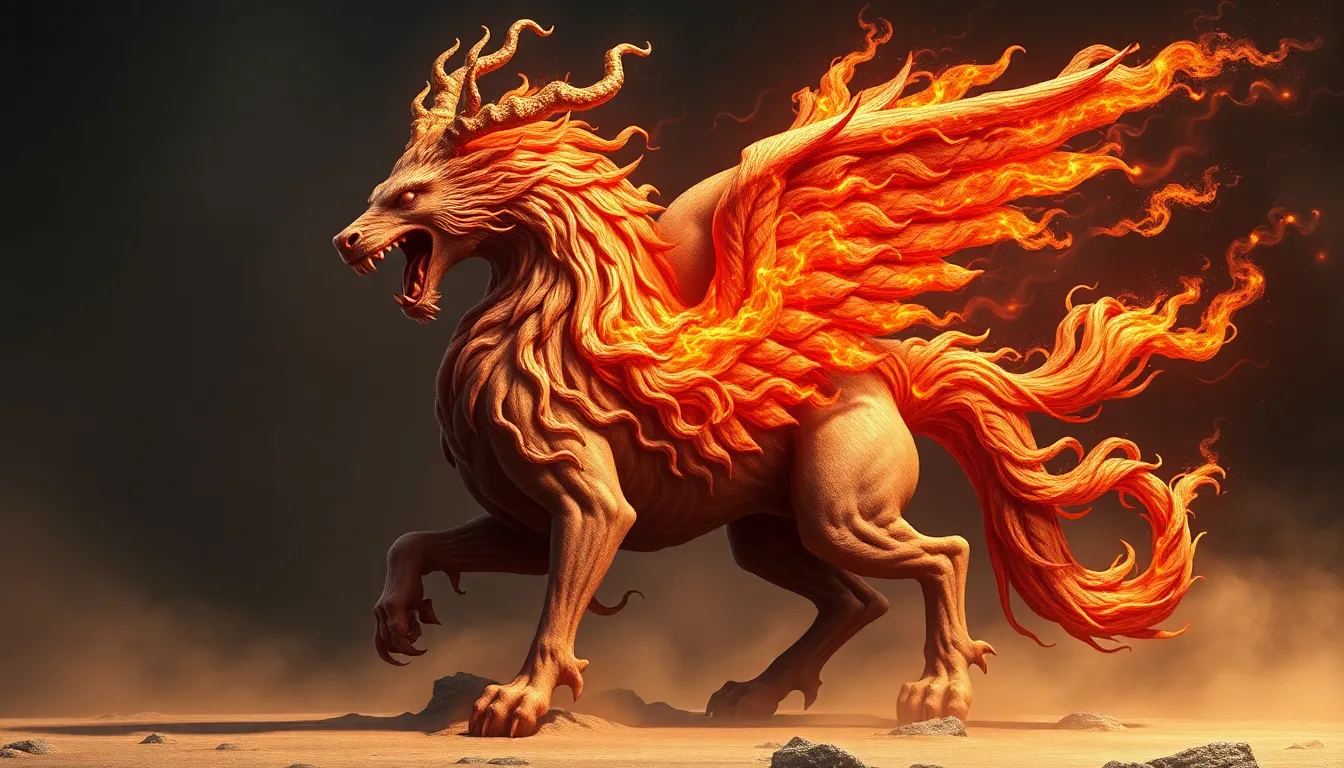
Physically, the Chimera is often portrayed as having the body of a lion, a goat protruding from its back, and a serpent for a tail. This hybrid nature is not only visually striking but also rich in symbolic meaning, as it represents the blending of different elements into a singular entity.
In mythology, hybrid creatures like the Chimera often symbolize the boundary between the known and the unknown, the natural and the unnatural, thus highlighting the complexity of the universe and the chaos that can arise from it.
III. The Chimera as a Symbol of Chaos
The chaotic nature of the Chimera is evident in its very composition. Each of its parts represents different domains within the animal kingdom, and their combination creates a being that defies categorization. This chaotic essence is a hallmark of many mythological narratives, where chaos often serves as a precursor to order.
- In Greek mythology, chaos is frequently depicted as a primordial state from which order emerges.
- The Chimera embodies this chaos, representing the unpredictable forces of nature and the challenges that heroes must face.
Other mythological creatures that symbolize chaos include the Hydra, with its multiple heads representing the complexity of challenges, and Cerberus, the three-headed dog that guards the underworld, embodying the fear of the unknown.
IV. The Chimera’s Connection to Order
While the Chimera is primarily seen as a symbol of chaos, there is an underlying structure to its mythology that suggests a connection to order. The stories surrounding the Chimera often involve heroes who confront and ultimately subdue the creature, reflecting the human struggle to impose order on chaos.
For example, the hero Bellerophon is renowned for slaying the Chimera with the help of the winged horse Pegasus. This narrative illustrates the triumph of order over chaos, highlighting the importance of heroic figures in Greek mythology.
The Chimera thus embodies the conflict between chaos and order, serving as a reminder that the two forces are often intertwined in the fabric of existence.
V. Artistic Representations of the Chimera
The Chimera has been a popular subject in various forms of art throughout history. From ancient pottery to Renaissance paintings, artists have sought to capture the creature’s chaotic essence.
- Visual arts: Many ancient Greek vases depict the Chimera in battle with heroes, symbolizing the struggle between chaos and order.
- Literature: Poets such as Homer and Hesiod referenced the Chimera, exploring themes of chaos in their narratives.
- Modern interpretations: The Chimera continues to inspire contemporary artists, often serving as a metaphor for the complexities of modern life.
VI. Psychological Interpretations of the Chimera
The Chimera can also be viewed through a psychological lens, representing the inner chaos that individuals may experience. In this context, the creature embodies the struggles faced when trying to achieve a cohesive sense of self amidst conflicting desires and fears.
Psychological theories often discuss the balance between chaos and order in personal identity. For instance, Jungian psychology speaks of the shadow self, which can be likened to the chaotic aspects represented by the Chimera.
Case studies have shown that individuals grappling with identity crises often face their own internal Chimeras, requiring them to confront and integrate these chaotic elements to find order in their lives.
VII. The Chimera in Contemporary Discourse
The metaphor of the Chimera remains relevant in modern discussions, particularly in relation to societal issues such as technology and globalization. As our world becomes increasingly complex, the themes of chaos and order manifest in various ways:
- Technology: The rapid advancement of technology often creates a sense of chaos, prompting debates about ethics and the future.
- Globalization: The interconnectedness of societies can lead to cultural clashes, reflecting the chaotic interactions between different values and beliefs.
- Narratives: Contemporary storytelling often explores the tension between chaos and order, mirroring the struggles depicted in ancient myths.
VIII. Conclusion
The Chimera serves as a powerful symbol of the duality between chaos and order, encapsulating themes that resonate throughout mythology and human experience. Its legacy endures, reminding us of the complex interplay between these forces in our lives.
As we navigate the chaos of modern existence, the lessons embodied by the Chimera continue to inform our understanding of personal identity, societal dynamics, and the universal quest for meaning amidst disorder.
Ultimately, the Chimera’s story is not just about a mythical creature but about the ongoing struggle to find balance in a world where chaos and order coexist.