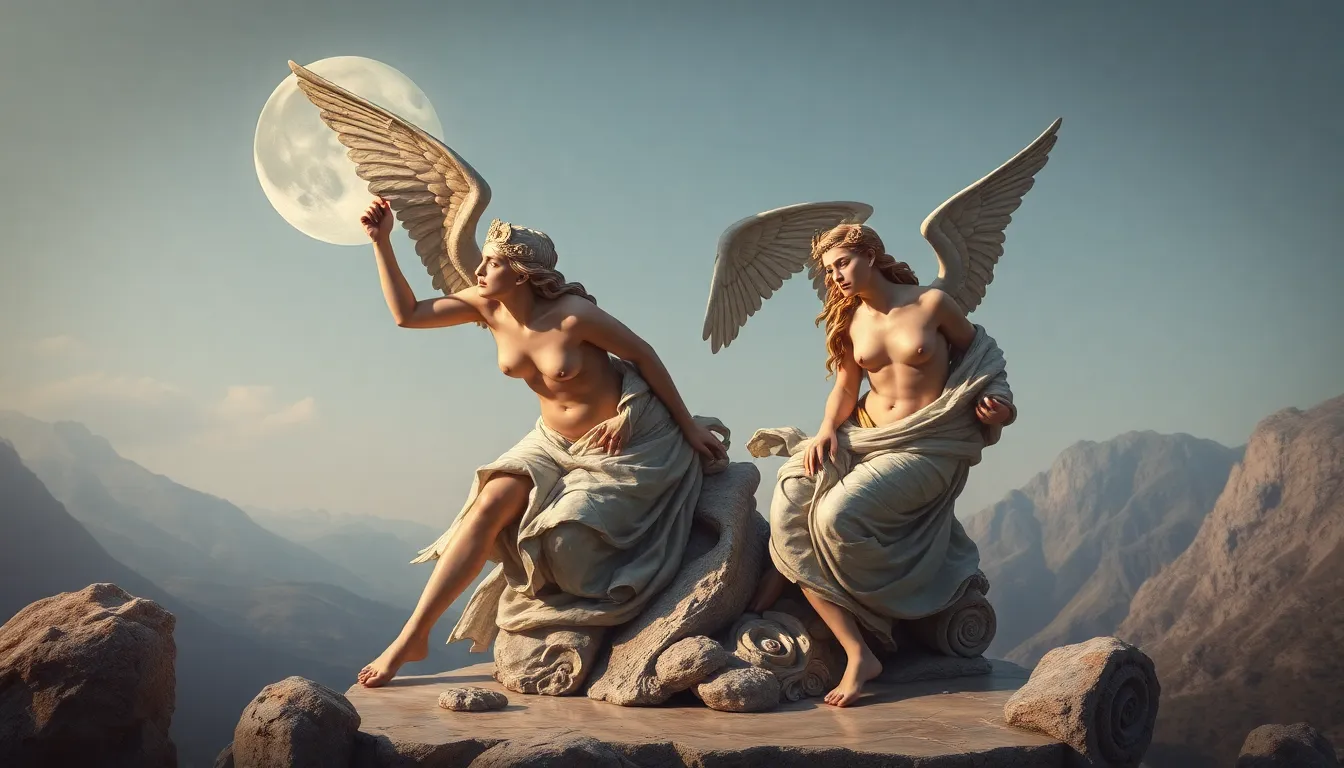
The Representation of Nymphs in Ancient Greek Literature
I. Introduction
Nymphs are enchanting figures in Greek mythology, often depicted as beautiful young women associated with various elements of nature. They embody the spirits of specific natural features, such as rivers, trees, and mountains. In ancient Greek culture, nymphs were not merely mythical beings; they held significant cultural and literary importance, representing the connection between humanity and the natural world.
This article explores the representation of nymphs in ancient Greek literature, examining their various types, roles in epic poetry, lyric poetry, tragedy, and comedy. It also delves into their artistic representations and the overarching themes and symbolism associated with these captivating figures.
II. Types of Nymphs in Greek Mythology
Nymphs are classified into several categories, each with distinct characteristics and associations:
- Naiads: Water nymphs who preside over bodies of freshwater such as rivers, streams, and lakes. Naiads are often depicted as nurturing and life-giving, embodying the fertility of nature.
- Dryads: Tree nymphs associated with oak trees, Dryads represent the spirit of the forest. They are often portrayed as guardians of the trees and forests, reflecting the interconnectedness of life.
- Oreads: Mountain nymphs who inhabit rocky terrains and hills. Oreads symbolize the wild beauty of nature and are often depicted in relation to the rugged landscapes they call home.
- Other Lesser-known Types: Various other nymphs include the Oceanids (sea nymphs), Nereids (the fifty daughters of Nereus), and the Limnads (pond nymphs), each contributing to the rich tapestry of Greek mythology.
III. Nymphs in Epic Poetry
Nymphs play a vital role in the epic narratives of ancient Greece, particularly in Homer’s “Iliad” and “Odyssey.” Their presence adds depth to the stories, often serving as divine helpers or formidable obstacles for heroes.
In the “Odyssey,” nymphs such as Calypso and Circe significantly influence Odysseus’s journey:
- Calypso: A nymph who detains Odysseus on her island, Ogygia, for several years, representing both temptation and the longing for home.
- Circe: Another enchantress who transforms Odysseus’s men into animals, symbolizing the dangers of succumbing to desire and the unknown.
- Naiads of the Underworld: These water nymphs play a role in the realm of the dead, highlighting the connection between life, death, and the natural world.
Nymphs in epic poetry often embody the duality of nature, acting as both nurturing figures and sources of peril for the heroes they encounter.
IV. Nymphs in Lyric Poetry
Lyric poetry offers a more personal and emotional perspective on nymphs, particularly in the works of poets like Sappho and Pindar. Nymphs are often associated with themes of love, beauty, and nature:
- Sappho: Frequently invokes nymphs in her poetry, using them to symbolize the fleeting nature of love and beauty, often reflecting her own experiences and emotions.
- Pindar: Celebrates athletic victories and invokes nymphs as divine patrons, linking them to the beauty of youth and the glory of human achievement.
Nymphs in lyric poetry are often seen as embodiments of personal desires and communal celebrations, illustrating the deep connection between humanity and the natural world.
V. Nymphs in Greek Tragedy and Comedy
The portrayal of nymphs extends into Greek tragedy and comedy, where they serve as symbols of desire, temptation, and sometimes tragedy:
- Aeschylus, Sophocles, and Euripides: Nymphs appear in various tragedies, often representing the unattainable or the dangers of passion, contributing to the tragic outcomes of the protagonists.
- Aristophanes: In comedy, nymphs are often depicted in a humorous light, embodying the folly of desire and the absurdity of human relationships.
Nymphs in these genres illustrate the complex relationship between human emotions and the natural world, highlighting both their allure and treachery.
VI. Artistic Representations of Nymphs
Nymphs have been depicted in various forms of ancient Greek art, from pottery to sculpture. These artistic representations often draw inspiration from literary sources:
- Pottery: Vases and bowls frequently feature scenes of nymphs in natural settings, emphasizing their connection to the earth and water.
- Sculpture: Statues and reliefs depict nymphs in graceful poses, highlighting their beauty and ethereal nature.
The influence of literature on visual art is evident, as artists sought to capture the spirit and essence of nymphs as described in ancient texts. The evolution of nymph representations continues into modern adaptations, where they remain symbols of beauty and mystery.
VII. Symbolism and Themes Associated with Nymphs
Nymphs embody various themes and symbols that reflect the complexities of nature and human experience:
- Embodiments of Nature and Fertility: Nymphs represent the beauty and bounty of the natural world, often associated with growth, creation, and renewal.
- Youth, Beauty, and Transience: They symbolize the fleeting nature of youth and beauty, reminding humanity of the impermanence of life.
- Nurturing vs. Dangerous Figures: Nymphs can be nurturing and protective, yet they also carry a potential for danger, embodying the unpredictable aspects of nature.
VIII. Conclusion
The representation of nymphs in ancient Greek literature is rich and multifaceted, reflecting their significance in both mythology and culture. From epic poetry to lyric expressions, nymphs serve as vital symbols of nature, beauty, and the complexities of human emotion.
Their lasting impact on literature and art throughout history underscores the enduring fascination with these mythical beings. Today, nymphs continue to inspire contemporary interpretations of mythology, reminding us of our intrinsic connection to the natural world and the timeless themes of love, beauty, and the transient nature of life.