The Muses and Their Influence on Environmental Art
I. Introduction
Environmental art is a genre that encompasses artistic practices that engage with the natural environment, often addressing ecological issues and promoting sustainability through creative expression. This form of art can take many shapes, from installations in nature to community-based projects aimed at environmental advocacy.
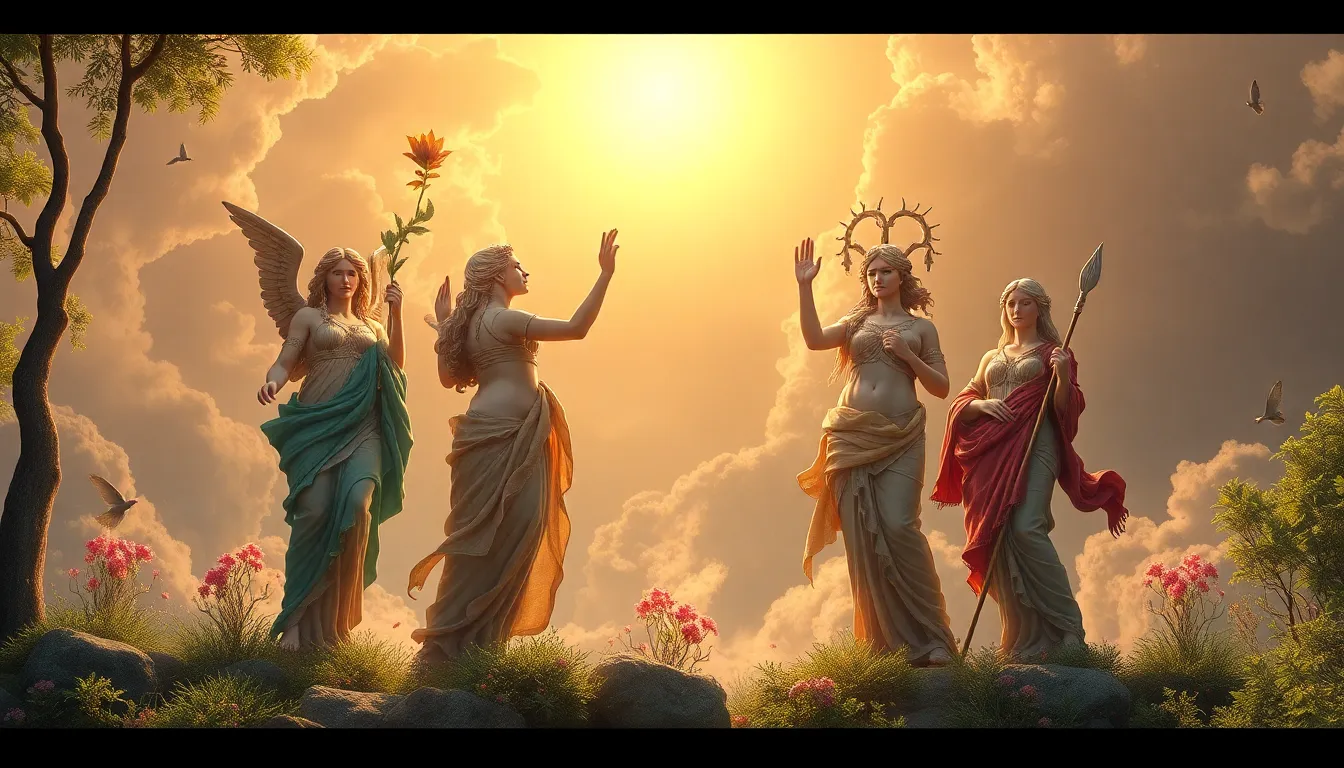
In Greek mythology, the Muses are the nine goddesses who inspire art, literature, and science. Each Muse presides over a different domain of the arts, providing inspiration and guidance to those who seek to create. This article explores the connection between the Muses and environmental art, examining how these ancient figures continue to influence contemporary artistic expressions focused on nature.
II. Understanding the Muses
A. Brief history of the Muses and their significance
The Muses, daughters of Zeus and Mnemosyne, were revered in ancient Greek culture as the embodiments of inspiration. They were often invoked by artists and scholars seeking creativity and insight. Each Muse represents a different aspect of human knowledge and artistic endeavor.
B. The nine Muses and their domains
- Calliope – Muse of epic poetry
- Clio – Muse of history
- Erato – Muse of love poetry
- Euterpe – Muse of music
- Melpomene – Muse of tragedy
- Polyhymnia – Muse of sacred poetry
- Terpsichore – Muse of dance
- Thalia – Muse of comedy
- Urania – Muse of astronomy
C. The role of inspiration in art and creativity
The Muses symbolize the connection between the artist’s inner world and the external influences of nature and culture. Their role is essential in the creative process, providing a bridge between the spiritual and the tangible, thus enabling artists to explore and express their visions.
III. The Intersection of Nature and Art
A. Historical context of nature in art
Throughout history, nature has been a prevalent theme in art, inspiring countless works that reflect the beauty, complexity, and sometimes the fragility of the environment. From the landscapes of the Romantic period to the modern environmental art movement, the relationship between art and nature continues to evolve.
B. How environmental issues have influenced artistic expression
As ecological crises such as climate change and habitat destruction have become more pressing, artists have increasingly turned to environmental themes to raise awareness and provoke thought. This shift has led to a resurgence of interest in the natural world and the role of humanity within it.
C. The role of the Muses in inspiring nature-based themes
The Muses serve as a source of inspiration for artists exploring environmental themes. By invoking these figures, artists can connect their work to a rich tradition of artistic expression that honors the beauty and complexity of nature.
IV. Case Studies of Environmental Artists Influenced by the Muses
A. Robert Smithson and the Earthworks movement
Robert Smithson, a prominent figure in the Earthworks movement, created large-scale land art that engaged directly with the natural landscape. His work often reflects a deep connection to the earth, demonstrating how nature can inspire monumental artistic endeavors.
B. Andy Goldsworthy and natural materials
Andy Goldsworthy is known for his ephemeral works created from natural materials such as leaves, stones, and ice. His art emphasizes the beauty of nature and the transient nature of life, echoing the themes of the Muses who inspire creation from the natural world.
C. Maya Lin and memorial landscapes
Maya Lin, best known for her design of the Vietnam Veterans Memorial, often incorporates natural elements into her work. Her environmental installations, such as the Storm King Wavefield, challenge viewers to consider their relationship with the land and the impact of human activity on the environment.
V. Thematic Analysis: Nature as Muse
A. Exploration of specific Muses and their relevance to environmental art
Each Muse offers a unique perspective that can be applied to environmental art:
- Calliope: Inspires grand narratives about humanity’s relationship with nature.
- Clio: Encourages reflection on history and the environmental impacts of past actions.
- Erato: Invokes themes of love and reverence for the natural world.
- Urania: Connects art with the cosmos, inspiring awe for the universe and our place within it.
B. How each Muse guides artistic interpretation of ecological themes
Artists can draw upon the wisdom and qualities of the Muses to deepen their engagement with ecological issues, allowing their work to resonate more profoundly with viewers.
C. The spiritual and emotional connection between artists and nature
The Muses symbolize not only inspiration but also the emotional and spiritual ties that artists share with the natural world. This bond can manifest in profound ways, influencing both the creation of art and the audience’s experience of it.
VI. Contemporary Voices in Environmental Art
A. Emerging artists drawing inspiration from the Muses
Many contemporary artists are finding inspiration in the Muses as they explore environmental themes. These artists often blend traditional and modern techniques to address ecological concerns while honoring the legacy of those who came before them.
B. The role of technology and social media in spreading environmental messages
In today’s digital age, artists can use technology and social media platforms to amplify their voices and reach broader audiences. This has led to increased collaboration and engagement among artists, activists, and the public, fostering a collective movement for environmental change.
C. Collaborative projects and community engagement
Artists are increasingly engaging with communities to create collaborative projects that address local environmental issues. These initiatives not only provide a platform for artistic expression but also foster a sense of community and shared responsibility for the environment.
VII. Challenges and Critiques
A. The commercialization of environmental art
As environmental art gains popularity, there is concern about its commercialization. Artists must navigate the tension between maintaining artistic integrity and engaging with commercial interests.
B. The balance between artistic expression and environmental activism
Some critics argue that environmental art can sometimes prioritize aesthetics over activism. Artists must strive to find a balance that promotes both artistic expression and meaningful environmental advocacy.
C. Critiques of cultural appropriation and representation in environmental art
As with many art forms, environmental art faces critiques regarding cultural appropriation and representation. Artists must be mindful of the cultural contexts they engage with and ensure that their work respects and honors the voices of those communities.
VIII. Conclusion
The Muses have left an indelible mark on the world of environmental art, serving as both a source of inspiration and a guiding force for artists seeking to address ecological challenges. Their influence encourages a deeper connection with nature and highlights the importance of creativity in fostering environmental awareness.
As we navigate the complexities of the modern world, the enduring legacy of the Muses reminds us of the power of inspiration in addressing ecological challenges. By embracing the Muses, artists can cultivate a sustainable future for both art and nature, fostering a deeper appreciation for the environment and our interconnectedness within it.