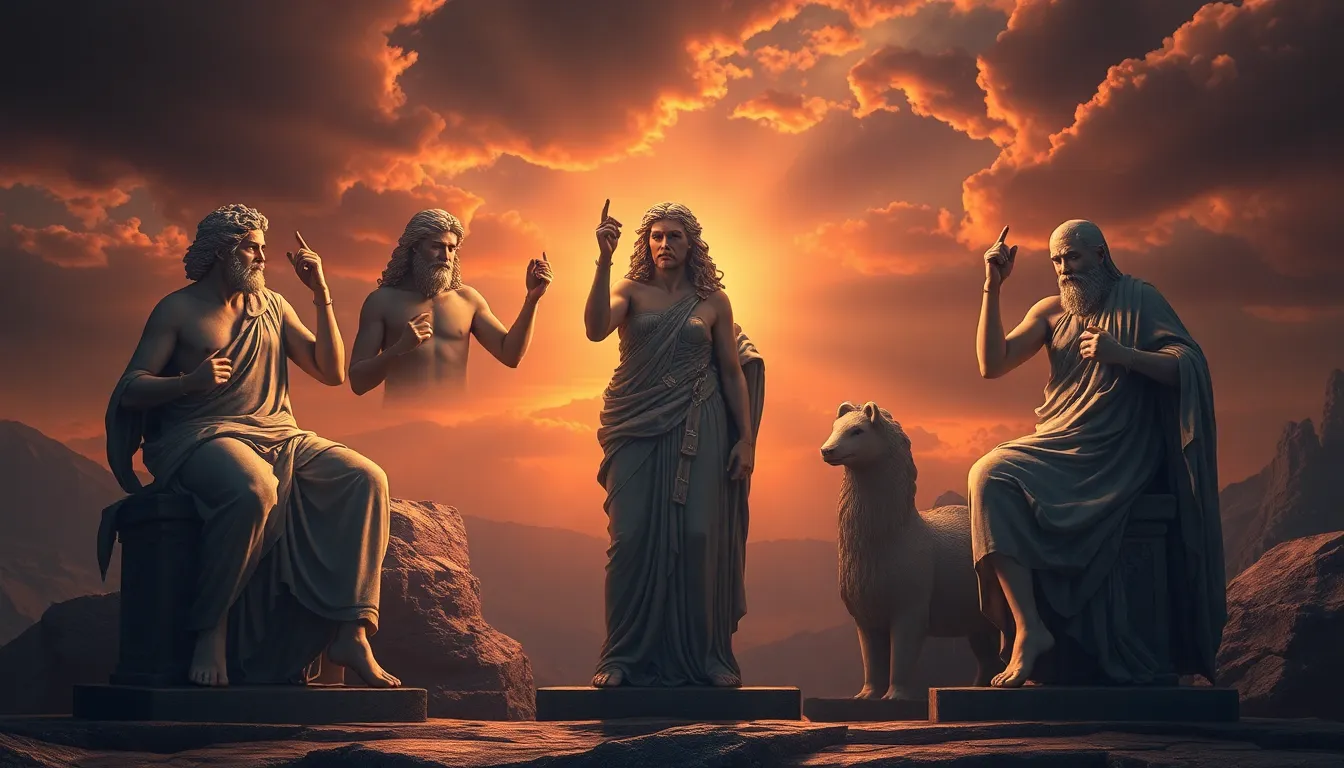
The Fates and Their Influence on Greek Folktales
I. Introduction
The Fates, known as the Moirai in Greek mythology, are three sister deities who control the destinies of both mortals and gods. Their names—Clotho, Lachesis, and Atropos—represent the acts of spinning, measuring, and cutting the threads of life, respectively. The Fates’ influence extends beyond the individual lives they govern; they represent the overarching theme of fate and destiny in ancient Greek culture.
This article aims to explore the significant role of The Fates in Greek folktales, examining how they shape narratives, impart moral lessons, and reflect philosophical debates about free will and destiny.
II. The Concept of Fate in Ancient Greece
In ancient Greek thought, the concept of fate was deeply intertwined with the beliefs about divine intervention and human agency. The Moirai, as personifications of fate, played a central role in this duality.
- Clotho: The spinner of the thread of life, representing birth and creation.
- Lachesis: The measurer, who determines the length of each individual’s life.
- Atropos: The cutter, who decides when a person’s life ends.
The philosophical implications of fate versus free will were significant in Greek society. While the gods could intervene in human affairs, ultimately, every individual was subject to the immutable laws of fate. This tension created a rich ground for storytelling, as characters navigated their destinies in an unpredictable world.
III. The Fates in Greek Mythology
The Moirai are woven into numerous myths, often interacting with key figures in Greek mythology. Their presence is felt in stories of heroes and gods alike, illustrating the inevitability of fate.
- In the myth of Oedipus: The prophecy foretold that Oedipus would kill his father and marry his mother, demonstrating how fate can unfold despite attempts to escape it.
- In the story of Heracles: The Fates were instrumental in determining his labors and ultimate fate, showcasing the balance of heroism and predestination.
- In the tale of Achilles: His mother, Thetis, sought to protect him from his fated death, but the Moirai ensured that his destiny would be fulfilled.
Classical literature often portrays the Fates as enigmatic figures, embodying the complexities of human existence. Their role contrasts sharply with other mythological figures, such as the gods, who often wield more direct control over events.
IV. The Role of Fates in Greek Folktales
In Greek folktales, The Fates frequently appear as guiding forces, embodying themes of destiny and the human condition.
- Common themes:
- The struggle against fate.
- The acceptance of one’s destiny.
- The consequences of defying the Moirai.
One notable folktale is the story of “The Three Sisters,” where each sister represents a different aspect of life and destiny, ultimately teaching that one cannot escape their fate. Another tale, “The Weaving of Fate,” illustrates the importance of choices and the delicate balance between free will and predestination.
The moral lessons derived from these tales often revolve around acceptance, humility, and the recognition that fate is an integral part of life’s journey.
V. Symbolism of the Fates in Folktales
The symbolism of the Fates is rich and multifaceted, particularly in their representation of the threads of life.
- Interpretation of the threads: The threads symbolize the interconnectedness of all lives and the inevitability of death.
- Weaving as a metaphor: The act of weaving represents the complexities of life and the myriad choices that shape an individual’s destiny.
- Human struggles: Folktales often depict characters struggling against their predetermined fate, highlighting the tension between human aspirations and the constraints of destiny.
VI. The Influence of The Fates on Character Development
The encounters with The Fates significantly shape character arcs in Greek folktales. Characters often grapple with their destinies, leading to profound transformations.
- Shaping characters: Characters who confront The Fates typically experience growth or downfall, illustrating their inner struggles.
- Heroism versus helplessness: Many protagonists embody a heroic defiance against fate, only to be reminded of their limitations.
- Case studies:
- The tragic hero Oedipus, whose attempts to alter his fate lead to catastrophic consequences.
- The resilient Penelope, who showcases the strength of endurance in the face of unavoidable destiny.
VII. The Legacy of The Fates in Modern Adaptations
The influence of The Fates continues to resonate in contemporary literature and media, reflecting ancient themes of fate and free will.
- Contemporary literature: Modern writers often draw inspiration from the Moirai, embedding their influence in narratives that explore destiny’s role in character development.
- Examples:
- The “Percy Jackson” series, where elements of Greek mythology are reimagined for a new generation.
- Films like “The Brothers Grimm” and “Troy,” which incorporate themes of fate and destiny.
- Relevance today: The discussions around fate and free will remain pertinent, as individuals continue to grapple with their life choices amidst external influences.
VIII. Conclusion
In summary, The Fates hold a significant place in Greek folktales, shaping narratives that reflect broader cultural beliefs about destiny and human experience. Their portrayal in myths and folktales serves as a reminder of the delicate balance between fate and free will.
The ongoing fascination with The Fates in storytelling underscores their relevance in understanding our own lives and choices. By delving into these myths, we gain insight into the human condition and the timeless struggle against the forces that shape our destinies.