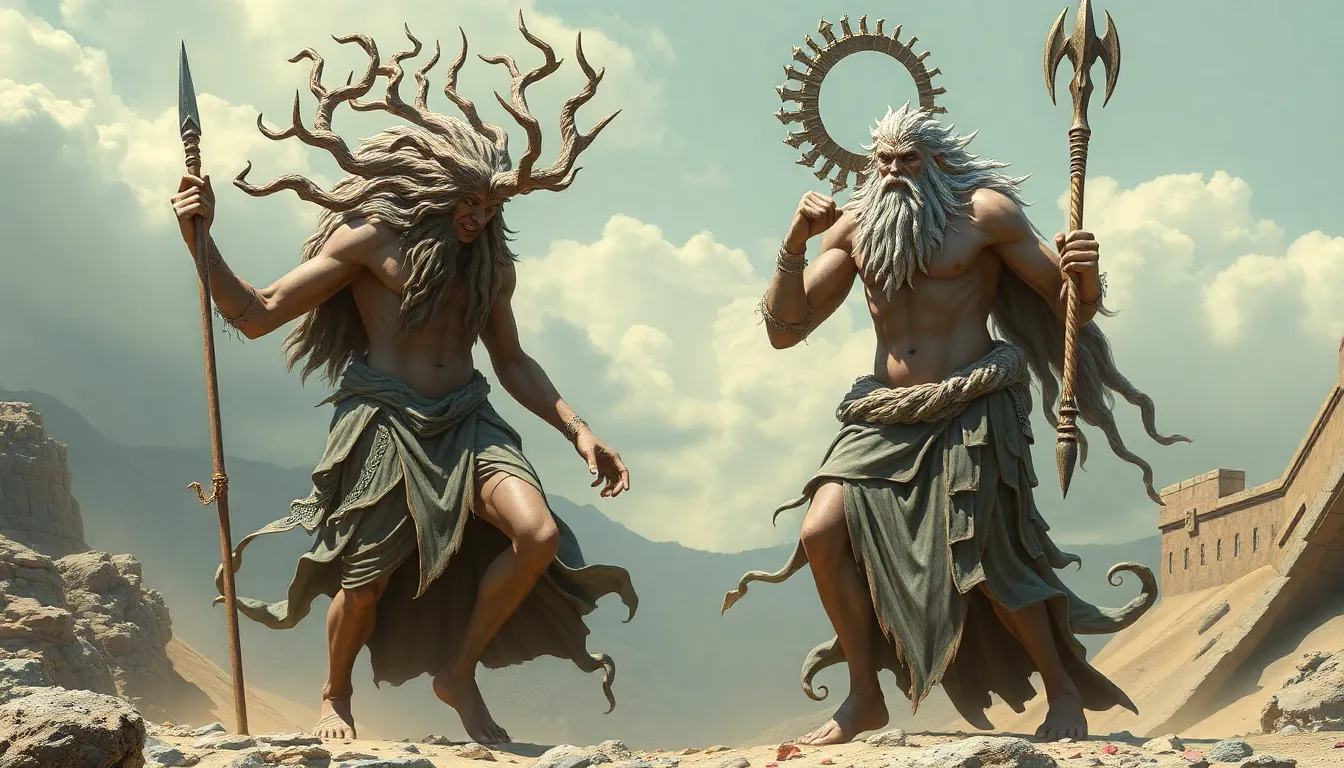
The Most Surprising Mortal Transformations in Greek Mythology
I. Introduction
Greek mythology is rich with themes of transformation, illustrating the fluidity of identity and the consequences of human actions. These narratives often showcase how gods and mortals alike can undergo dramatic changes, reflecting deeper moral lessons and the complexities of human nature.
Mortal transformations in these myths serve as pivotal plot points that reveal character flaws, divine retribution, or the search for redemption. They emphasize the consequences of hubris, the value of humility, and the enduring connection between humanity and the divine.
This article aims to explore some of the most surprising transformations in Greek mythology, highlighting the stories of figures who underwent profound changes and the cultural significance of their transformations.
II. Daphne: From Nymph to Laurel Tree
Daphne, a beautiful nymph, was the daughter of the river god Peneus. She became the object of Apollo’s affections after he was struck by Cupid’s arrow, igniting a passionate pursuit. However, Daphne was determined to remain free from the bonds of love and the constraints of marriage.
In a desperate bid to escape Apollo’s advances, Daphne prayed to her father for help, who transformed her into a laurel tree just as Apollo reached her. This transformation was not only a means of escape but also a symbol of her unwillingness to be tied down.
The laurel tree holds significant cultural importance, representing victory and honor. It became associated with Apollo himself, who wore a wreath of laurel leaves, symbolizing triumph and the eternal nature of his love for Daphne, despite her transformation.
III. Arachne: The Weaver Turned Spider
Arachne was a talented mortal weaver who boasted that her skills surpassed those of Athena, the goddess of wisdom and crafts. Offended by Arachne’s hubris, Athena challenged her to a weaving contest. The stakes were high, but Arachne’s tapestry depicted the gods’ misdeeds, further infuriating Athena.
In response to Arachne’s audacity, Athena transformed her into a spider, condemning her to weave for eternity. This transformation serves as a cautionary tale about the dangers of pride and disrespect toward the gods.
Spiders have come to symbolize various themes in mythology and art, often representing creativity, patience, and the intricate patterns of fate. Arachne’s story reminds us that art can both celebrate and critique the divine.
IV. Lycaon: The King Who Became a Wolf
Lycaon was a king of Arcadia who committed an egregious offense against Zeus. To test the god’s omniscience, he served Zeus a meal made from the flesh of a human. Enraged by this act of barbarism, Zeus transformed Lycaon into a wolf, a fitting punishment for his savagery.
This transformation not only signifies the loss of humanity but also connects to broader themes in mythology regarding the nature of man and beast. The myth of Lycaon has influenced later werewolf legends, portraying the duality of human nature—capable of both reason and primal savagery.
V. Actaeon: The Hunter Transformed into Prey
Actaeon, a skilled hunter, stumbled upon Artemis, the goddess of the hunt, while she was bathing in a secluded pool. His gaze was deemed inappropriate, and in a fit of rage, Artemis transformed him into a stag. This transformation was tragic; Actaeon became the very prey he once hunted.
The narrative explores the hunter versus prey motif, highlighting themes of vulnerability, retribution, and the fine line between power and powerlessness. Actaeon’s fate serves as a reminder of the consequences of violating sacred spaces and the unpredictability of fate.
VI. Narcissus: The Flower from Self-Love
Narcissus was a strikingly handsome youth who captivated all who beheld him, yet he was indifferent to their affections. His tragic flaw was his profound self-love, which led him to fall in love with his own reflection in a pool of water. Unable to leave his image, he eventually perished, and from his body, a beautiful flower emerged.
The transformation into the narcissus flower serves as a powerful symbol of vanity and the perils of self-obsession. This myth warns of the dangers of excessive pride and the importance of recognizing and valuing others, rather than being consumed by one’s self-image.
VII. Tiresias: The Blind Seer’s Dual Transformations
Tiresias is one of the most intriguing figures in Greek mythology, known for his dual transformations. Initially a man, he was transformed into a woman for seven years after striking a pair of mating snakes. Upon returning to his male form, he gained the unique gift of prophecy.
Tiresias’s transformations provide profound insights into gender fluidity and the nature of wisdom. His experiences as both a man and a woman allowed him to understand the world from different perspectives, making his prophecies deeply insightful.
This narrative emphasizes the fluidity of identity and the idea that wisdom can emerge from embracing different roles and experiences in life.
VIII. Conclusion
The transformations explored in this article illustrate the rich tapestry of human experience that Greek mythology captures. From Daphne’s escape from love to Tiresias’s unique insights gained through dual identities, these stories offer profound moral lessons and reflections on human nature.
These myths continue to resonate in modern culture, serving as reminders of the complexities of identity, the consequences of our actions, and the intricate relationship between humanity and the divine. Transformation in Greek mythology invites us to reflect on our own lives, the choices we make, and the identities we inhabit.