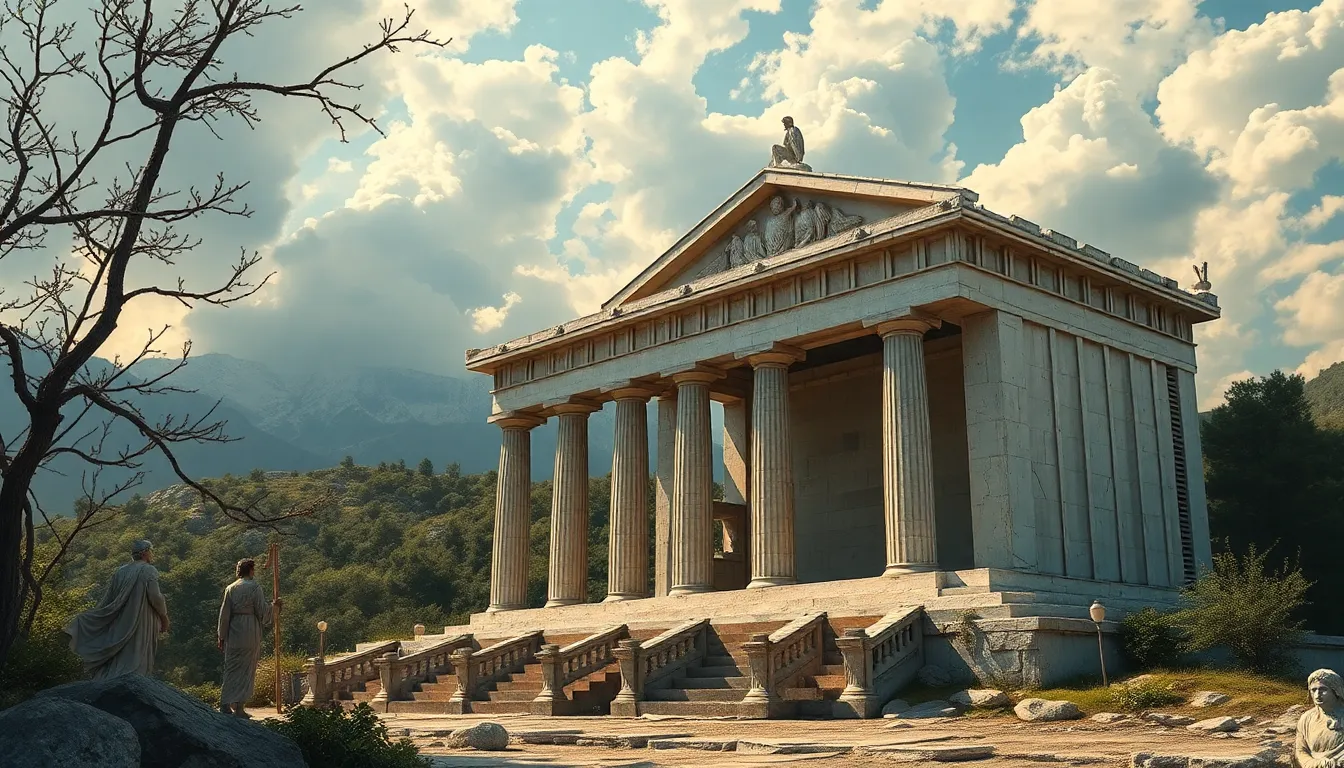
The Timeless Appeal of Greek Tragedy in Modern Literature
I. Introduction
Greek tragedy is a form of drama that emerged in ancient Greece, characterized by serious themes, moral dilemmas, and complex characters. It typically revolves around the struggles of heroic figures who confront fate, ethical conflicts, and the darker aspects of human existence.
Historically, Greek tragedy has significant roots in the cultural and religious practices of ancient Greece, particularly in the festivals dedicated to Dionysus, the god of wine and ecstasy. These performances not only entertained but also served as a means of exploring profound philosophical questions and societal issues.
The purpose of this article is to explore the influence of Greek tragedy on modern literature, examining its core themes, structural elements, and the ways contemporary authors have adapted these ancient narratives to resonate with today’s audiences.
II. The Core Themes of Greek Tragedy
Greek tragedy is rich with themes that continue to resonate in modern storytelling. Some of the most significant themes include:
- Fate and free will: The tension between destiny and personal choice is a central theme, often highlighting the limitations of human agency.
- Hubris and downfall: Many tragic heroes exhibit hubris—excessive pride or self-confidence—that leads to their eventual downfall.
- Moral dilemmas and ethical questions: Characters frequently face profound moral challenges, forcing them to make difficult choices that reveal their values.
- The human condition and suffering: Greek tragedies delve into the nature of human suffering, exploring its inevitability and the search for meaning in pain.
III. Greek Tragedy’s Structural Elements
The structure of Greek tragedy is meticulously crafted, contributing to its emotional and intellectual impact. Key structural elements include:
- The role of the chorus: The chorus serves as a commentator, providing insight and reflecting the audience’s emotions throughout the play.
- Use of dramatic irony: This technique allows the audience to know more than the characters, creating tension and deepening the tragic experience.
- Character archetypes: Greek tragedies often feature archetypal characters such as the tragic hero, the wise mentor, and the vengeful goddess, each fulfilling specific narrative roles.
- Catharsis and its impact on the audience: The emotional release experienced by the audience, known as catharsis, is a critical component of the tragic experience, allowing viewers to confront their own emotions.
IV. Modern Adaptations and Retellings
Greek tragedies have inspired countless works in modern literature and beyond. Examples of contemporary adaptations include:
- The Handmaid’s Tale by Margaret Atwood: This novel draws parallels to the themes of power and oppression found in Greek tragedies.
- Ajax by Sophocles, adapted by various playwrights: The story of Ajax has seen numerous modern retellings, emphasizing its themes of honor and mental anguish.
- A Streetcar Named Desire by Tennessee Williams: The tragic elements of fate and downfall are evident in this classic American play.
Modern authors reinterpret classic themes by placing them in contemporary contexts, making ancient stories relevant to today’s issues such as gender, power dynamics, and existential crises. For instance, the theme of hubris can be seen in the rise and fall of contemporary leaders, while moral dilemmas are prevalent in modern ethical debates surrounding technology and bioethics.
V. The Influence of Greek Tragedy on Character Development
The influence of Greek tragedy extends deeply into character development in modern narratives. Key aspects include:
- Complex protagonists and their moral complexities: Modern tragic heroes often grapple with conflicting desires and ethical dilemmas, mirroring the struggles of characters in ancient tragedies.
- The psychological depth of characters: Contemporary narratives often explore the inner lives of characters, delving into their motivations and fears, akin to the character explorations in Greek tragedy.
- The evolution of the tragic hero in modern narratives: While traditional tragic heroes were often noble figures, modern interpretations may feature antiheroes who embody the flaws and struggles of contemporary society.
VI. Greek Tragedy in Popular Culture
The influence of Greek tragedy permeates popular culture, manifesting in various forms:
- Influence on film and television: Many films, such as The Lion King and Gladiator, draw heavily from themes and narratives found in Greek tragedy.
- References in modern theatre: Productions often adapt Greek tragedies for contemporary audiences, bringing ancient stories to life in new ways.
- The persistence of tragic themes in popular novels: Bestselling novels frequently explore themes of fate, moral conflict, and human suffering, echoing the core elements of Greek tragedy.
VII. Educational and Cultural Significance
Greek tragedy holds significant educational and cultural value:
- Greek tragedy in academic settings: Many literature and drama courses include Greek tragedies as essential texts, encouraging students to engage with complex themes and narratives.
- Its role in cultural identity and heritage: Greek tragedies are a vital part of Western literary canon, helping to shape cultural identity and historical understanding.
- Encouraging critical thinking through tragic narratives: The moral dilemmas presented in Greek tragedies challenge readers and audiences to think critically about ethical issues and human behavior.
VIII. Conclusion
In summary, Greek tragedy’s core themes, structural elements, and character complexities have left an indelible mark on modern literature. Its exploration of fate, ethical dilemmas, and the intricacies of the human condition continues to resonate with contemporary audiences, inspiring countless adaptations and reinterpretations.
The enduring legacy of Greek tragedy shapes not only literary narratives but also cultural discourses, inviting us to reflect on our own lives and the timeless questions that define the human experience. We encourage readers to explore and appreciate the influence of Greek tragedy in contemporary storytelling, recognizing its power to illuminate the complexities of our existence.