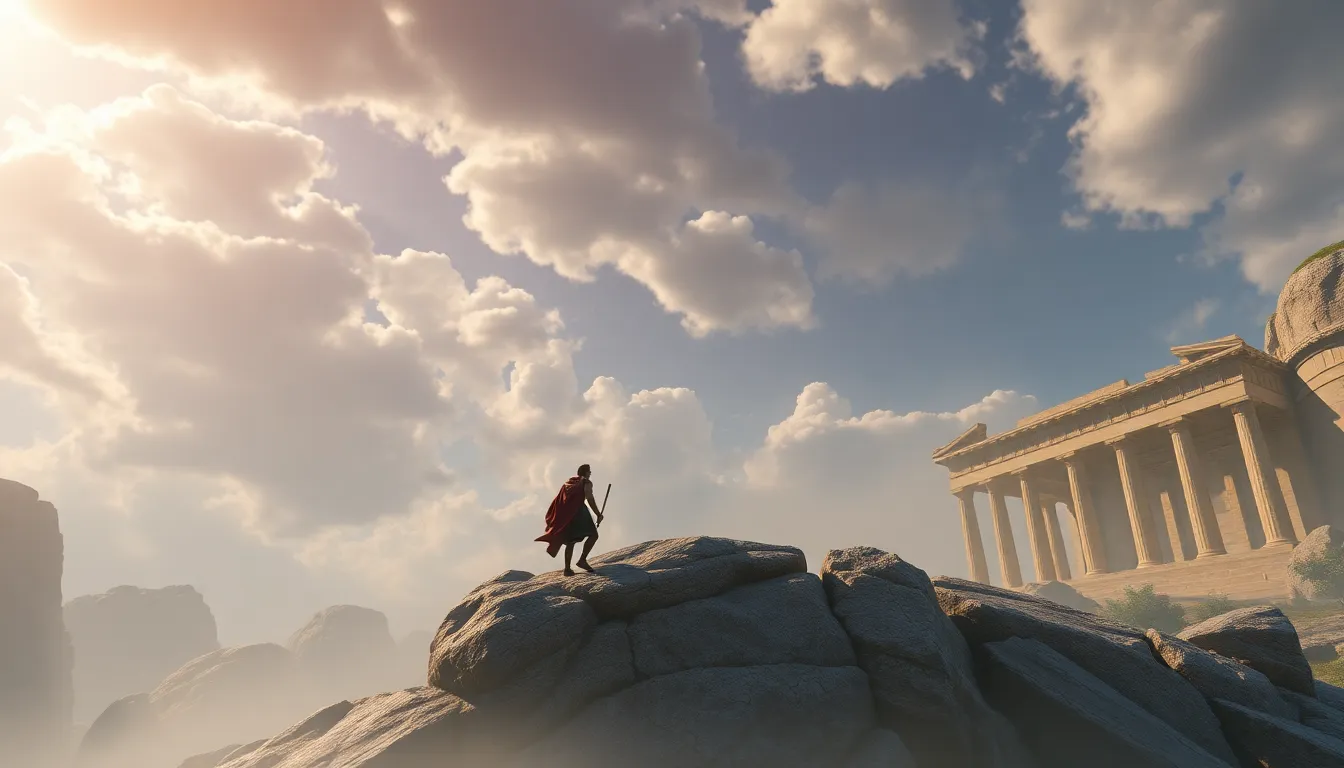
The Legacy of Greek Myths in Video Games: Epic Adventures Await
I. Introduction
Greek mythology is a rich tapestry of tales that have shaped human history, culture, and art for millennia. Its pantheon of gods, heroes, and mythical creatures has inspired literature, philosophy, and even modern entertainment. The narratives that have emerged from these ancient stories reflect timeless human themes such as love, vengeance, heroism, and morality.
In recent years, the influence of Greek mythology has extended into the realm of video games, where developers have drawn upon these ancient tales to create immersive experiences. This connection between mythology and gaming offers players a unique opportunity to engage with epic narratives, explore mythical landscapes, and embody legendary figures.
II. The Allure of Greek Myths
The allure of Greek myths lies in their exploration of universal themes that resonate with audiences across generations. The timeless themes of heroism, adventure, and morality provide a foundation for compelling storytelling. Within these myths, we encounter:
- Heroic Journeys: Characters like Odysseus and Heracles embark on quests that test their strength, wit, and resolve.
- Divine Interference: The gods play significant roles in the lives of mortals, often altering the course of their fates.
- Moral Dilemmas: Characters face choices that reflect the complexities of human nature, often with far-reaching consequences.
Iconic characters and stories from Greek mythology, such as the tragic tale of Orpheus and Eurydice, or the cunning of Odysseus, continue to captivate modern audiences. These elements resonate with players, offering a sense of familiarity and depth, as they navigate through virtual worlds filled with mythological significance.
III. Notable Video Games Inspired by Greek Myths
Several notable video games have drawn inspiration from Greek mythology, each offering unique interpretations of these ancient narratives. Some key titles include:
- God of War: A franchise that reimagines the story of Kratos, a Spartan warrior who battles gods and monsters, exploring themes of vengeance and redemption.
- Hades: A rogue-like dungeon crawler that portrays the life of Zagreus, the son of Hades, as he seeks to escape the Underworld, blending narrative with fast-paced gameplay.
- Assassin’s Creed Odyssey: Set during the Peloponnesian War, this game allows players to explore ancient Greece while interacting with historical and mythological figures.
These games not only reinterpret mythological narratives but also offer stunning visual and artistic representations that bring ancient Greece to life. From the intricate designs of mythical creatures to the detailed landscapes of ancient cities, the artistic direction in these games enhances the immersive experience.
IV. Game Mechanics and Mythological Themes
The integration of gameplay elements derived from myths plays a crucial role in enhancing the storytelling experience. Many games use mechanics that echo elements of Greek mythology:
- Quests: Players often embark on quests that parallel the journeys of mythological heroes, facing challenges and moral decisions along the way.
- Combat: The battles against legendary creatures, such as minotaurs and cyclopes, reflect the epic confrontations found in mythological tales.
- Puzzles: Many games incorporate puzzles that require players to think critically, often drawing from themes of cunning and intelligence present in myths.
For example, in “God of War,” players navigate through complex environments, facing formidable foes while unraveling a narrative filled with rich mythology. The game mechanics are designed to not only challenge players but also immerse them in the mythological world.
V. Character Development and Mythological Archetypes
Character development in video games inspired by Greek mythology often draws from archetypes present in ancient tales. The protagonist and antagonist roles are frequently based on mythological figures, allowing for deep character arcs:
- Protagonists: Characters like Kratos and Zagreus embody traits such as determination, resilience, and often, tragic flaws that drive their narratives.
- Antagonists: Many games feature gods and mythical beasts as adversaries, representing the chaos and challenges faced by heroes in myths.
The evolution of these characters not only provides depth to their stories but also engages players on an emotional level. The personal journeys of these characters often reflect broader themes of identity, legacy, and the struggle against fate, mirroring the complexities found in Greek mythology.
VI. Cultural Impact and Reception
The role of Greek myths in shaping gaming culture is significant. The incorporation of these narratives has led to:
- Increased Interest: The popularity of myth-inspired games has sparked renewed interest in Greek mythology, leading to a broader cultural discourse.
- Audience Reception: Many myth-inspired games have received critical acclaim, lauded for their storytelling, character development, and artistic design.
- Influence on Other Media: The impact of these games extends beyond gaming, influencing movies, literature, and other forms of entertainment.
As players engage with these mythological narratives, they become part of a larger cultural conversation about the relevance of ancient stories in contemporary society.
VII. Modern Adaptations and Innovations
Contemporary games continue to reinterpret ancient myths, offering fresh perspectives for new generations. Innovations in technology have paved the way for:
- Immersive Experiences: Virtual reality and enhanced graphics create more engaging environments where players can interact with mythological elements.
- Storytelling Techniques: Modern narrative structures allow for branching storylines and player choices that reflect personal interpretations of mythological themes.
- Future Trends: As gaming technology evolves, we can expect even more innovative approaches to mythological storytelling, potentially merging various cultural myths.
The ability to present Greek myths in new formats ensures that these stories will continue to resonate with audiences, maintaining their relevance in a rapidly changing world.
VIII. Conclusion
The enduring legacy of Greek myths in video games highlights the timeless nature of these narratives. By preserving and adapting these mythological stories, the gaming industry plays a crucial role in keeping ancient cultures alive in modern entertainment. The fusion of gameplay and storytelling in myth-inspired games not only enriches the gaming experience but also fosters a deeper appreciation for the complexities of human nature and morality.
As we look to the future, it is clear that mythological storytelling will continue to evolve within the realm of video games, offering players new ways to explore the rich landscapes of ancient tales. The journey through these epic adventures awaits, promising to captivate and inspire generations to come.