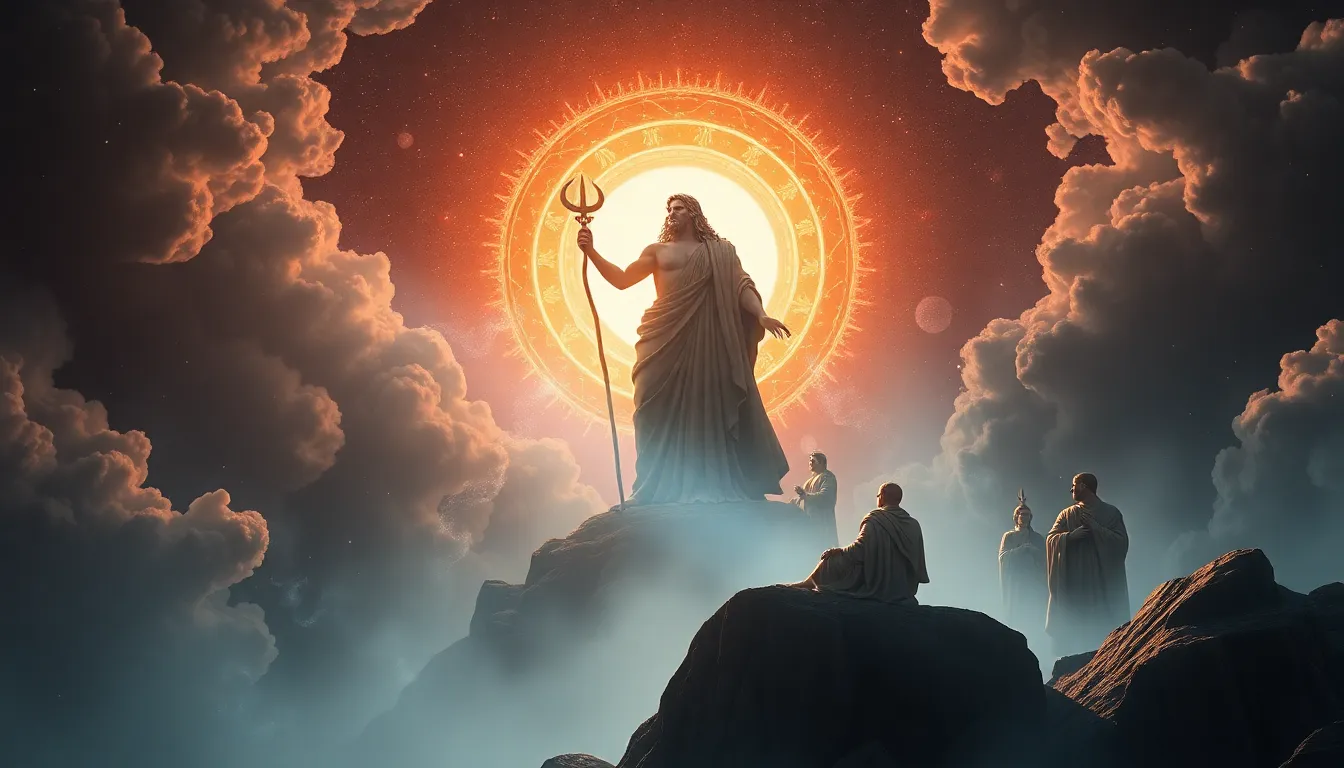
Theogony and the Nature of Divinity: Exploring the Godly Hierarchy
I. Introduction to Theogony
Theogony, a term derived from the Greek words “theos” (god) and “gonia” (birth), refers to the origin and lineage of the gods. It serves as a foundational text in Greek mythology, articulating the genealogy of divine beings and their hierarchical structure. The significance of Theogony lies not only in its mythological narratives but also in its exploration of the nature of divinity and the cosmos.
Historically, Theogony is attributed to Hesiod, a poet active in the 8th century BCE, and it is considered one of the earliest works of Western literature. Hesiod’s text emerged in a period when oral tradition was key to cultural identity, and it provided a systematic account of the gods that helped to unify various local myths into a cohesive framework. This text is crucial for understanding how the ancient Greeks viewed their world and the divine forces that influenced it.
The celestial hierarchy presented in Theogony outlines a structured pantheon, with primordial deities at the foundation, followed by the Titans, and culminating in the Olympian gods. This hierarchy reflects the ancient Greeks’ understanding of power, chaos, and order in the universe.
II. The Structure of Divine Hierarchies
The Divine hierarchy in Theogony is meticulously structured, showcasing a lineage from primordial chaos to the well-defined Olympian gods. This structure can be divided into several key categories:
- Primary gods and goddesses: At the top of the hierarchy are the Olympians, including Zeus, Hera, Poseidon, and Athena. These deities represent various aspects of life and nature, wielding significant power and influence over humanity.
- Primordial deities: The first beings to emerge from chaos, including Gaia (Earth), Uranus (Sky), and Tartarus (the Abyss). These deities embody fundamental elements of existence and establish the foundation for subsequent generations of gods.
- Generational shifts: Theogony illustrates how divine authority shifts through generations, particularly with the overthrow of the Titans by the Olympians, symbolizing a transition from chaos to order.
III. The Birth of the Gods
The creation myths within Theogony detail the processes through which the gods were born and the implications of these narratives on the understanding of divinity. The text opens with Chaos, a void from which all existence springs, leading to the birth of Gaia, Tartarus, and Eros, among others. This narrative structure emphasizes the idea that creation is both a chaotic and ordered process.
Key figures in the genealogy of the gods include:
- Gaia: The personification of the Earth, she gives birth to Uranus, the Sky, and later to the Titans.
- Uranus: The Sky god, who becomes a significant figure in the creation of the Titans and the eventual rise of the Olympians.
- Chronos: The Titan who represents time, known for his role in the succession myth where he overthrows Uranus, only to be overthrown by his own son, Zeus.
The symbolism of birth and creation in Theogony illustrates the cyclical nature of power and existence, where each generation of gods embodies different attributes and roles within the cosmic order. This genealogy not only provides insight into the nature of the gods but also reflects the human experience of birth, growth, and the inevitability of change.
IV. The Nature of Divine Attributes
The attributes of the major deities in Theogony reveal the complexities of divine nature. Each god possesses distinct characteristics that reflect both benevolence and wrath:
- Zeus: The king of the gods, representing law, order, and justice, but also known for his unpredictable temper and numerous affairs.
- Hera: The goddess of marriage and family, often depicted as vengeful towards Zeus’s lovers and offspring, highlighting the duality of loyalty and jealousy.
- Poseidon: The god of the sea, known for his temperamental nature and ability to bring both calm and chaos to the waters.
This duality of benevolence and wrath among the gods serves as a reflection of human morality and ethics. The concept of divine justice is a recurring theme, where gods administer rewards and punishments, often mirroring the societal values of ancient Greece.
V. Relationships Among Gods
The relationships among the gods in Theogony are intricate and multifaceted, encompassing alliances, conflicts, and familial ties that shape the divine order. These dynamics can be categorized as follows:
- Alliances and conflicts: Theogony details the battles between the Titans and the Olympians, showcasing how conflicts can shift the balance of power within the pantheon.
- Marriage and offspring: The unions between gods, such as Zeus and Hera, or Gaia and Uranus, are significant in the continuation of divine lineage and the establishment of order.
- Influence on divine order: Relationships among the gods inform their roles and responsibilities, with offspring often inheriting attributes or domains from their parents.
These relationships are not only central to the narratives of Theogony but also serve as allegories for human relationships and societal structures, emphasizing the interconnectedness of both divine and mortal realms.
VI. The Influence of Theogony on Ancient Cultures
Theogony had a profound impact on Greek religion and mythology, shaping the beliefs and practices of ancient societies. Its narratives provided a framework for understanding the cosmos and humanity’s place within it. The text played a vital role in:
- Shaping societal values: The themes of justice, order, and morality found in Theogony influenced the ethical principles of ancient Greek culture.
- Religious practices: Theogony informed the worship of deities, rituals, and festivals, with gods personifying various aspects of life.
- Comparative mythology: Theogony offers parallels to other creation myths, such as the Babylonian Enuma Elish, highlighting common themes of chaos, creation, and divine hierarchy across cultures.
VII. Modern Interpretations of Theogony
The relevance of Theogony continues in contemporary discussions regarding divinity and mythology. Modern interpretations explore its themes through various lenses:
- Literary analysis: Scholars examine Theogony’s poetic structure, symbolism, and narrative techniques, drawing connections to modern literary works.
- Philosophical discourse: The text raises questions about the nature of divinity, power, and morality, prompting discussions in ethical philosophy and theology.
- Influence on storytelling: The archetypes and narratives in Theogony have permeated modern storytelling in literature, film, and art, inspiring countless adaptations and interpretations.
VIII. Conclusion: The Enduring Legacy of Theogony
Theogony remains a cornerstone of Western literature and mythology, providing invaluable insights into the ancient Greek worldview. Its exploration of divine hierarchies, creation myths, and the nature of the gods reveals profound truths about humanity and the cosmos. Key themes include:
- The complexity of divine nature and the duality of benevolence and wrath.
- The cyclical nature of power and the implications of generational shifts among deities.
- The interconnectedness of relationships among gods, reflective of human social structures.
In reflecting on the nature of divinity, Theogony invites humanity to ponder its place in the universe and the forces that shape existence. Understanding these divine hierarchies not only enriches our comprehension of ancient myths but also deepens our appreciation for the enduring legacy of these narratives in contemporary culture.