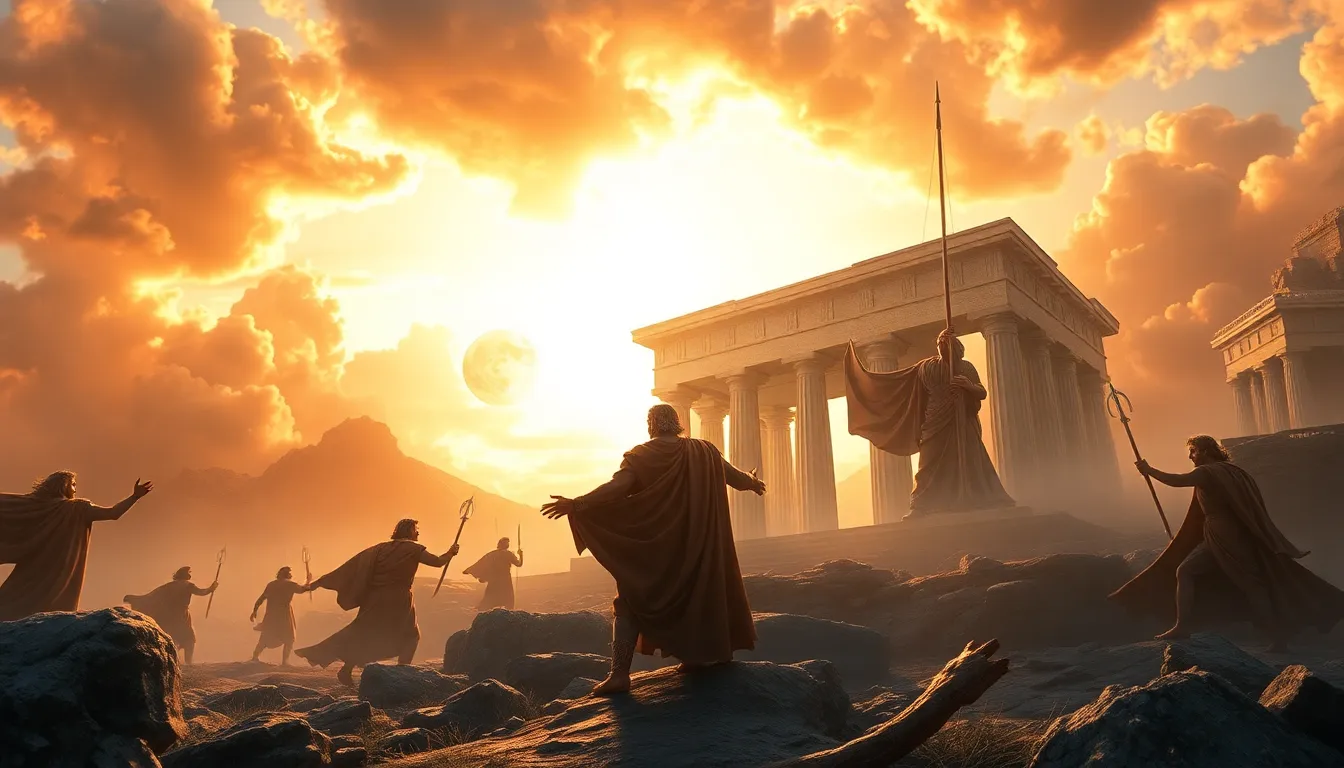
The Price of Glory: What Happens When Heroes Challenge the Gods?
I. Introduction
In the realm of mythology, the concepts of heroism and divinity are intricately intertwined. Heroes, often depicted as mortals with extraordinary abilities, embark on quests that not only test their strength and resolve but frequently place them in direct opposition to the gods. This theme of tension between heroes and deities is a recurrent motif in ancient myths, serving as a narrative vehicle to explore the nature of power, ambition, and the human condition.
The purpose of this article is to delve into the consequences that arise when heroes dare to challenge the gods. Through examining historical contexts, character archetypes, and the repercussions of defiance, we can gain a deeper understanding of these timeless narratives and their implications on both mortal and divine realms.
II. Historical Context of Hero-God Relationships
Throughout ancient civilizations, myths served to explain natural phenomena, cultural values, and the human experience. Various mythologies feature rich narratives of hero-god interactions that highlight the complex relationship between mortals and the divine.
- Greek Mythology: Tales of heroes like Hercules and Prometheus showcase their struggles against divine authority.
- Roman Mythology: Similar to Greek tales, Roman myths often reflect the same themes of hubris and divine retribution.
- Mesopotamian Myths: The Epic of Gilgamesh illustrates the interactions between the hero and gods, emphasizing the pursuit of immortality.
These narratives hold cultural significance, as they reflect societal values and the collective understanding of morality, power, and the consequences of defiance. Over time, the perception of heroism and divine authority has evolved, with each era reinterpreting these archetypes to fit contemporary beliefs and challenges.
III. The Archetype of the Hero
Heroes in mythology often embody specific characteristics that set them apart from ordinary mortals. These traits include:
- Courage: The willingness to confront fear, danger, or adversity.
- Strength: Both physical prowess and inner fortitude.
- Resourcefulness: The ability to devise strategies and solutions in difficult situations.
- Selflessness: A commitment to the greater good, often at personal cost.
Throughout history, numerous heroes have challenged the gods, with notable examples including:
- Prometheus: Defied Zeus by stealing fire for humanity, leading to severe punishment.
- Hercules: Undertook the Twelve Labors, often facing divine obstacles and opposition.
- Achilles: His conflict with Agamemnon and fate showcases the tension between personal desires and divine will.
The motivations behind these challenges vary, ranging from a desire to improve the human condition to personal ambition or revenge against perceived injustices.
IV. The Divine Response
Gods typically respond to mortal challenges with a range of reactions, often dictated by their personalities and the perceived severity of the challenge. Common responses include:
- Retribution: Punishing the hero for their hubris or defiance.
- Testing: Subjecting the hero to trials that reveal their true character.
- Intervention: Aiding or hindering the hero’s quest based on their favor or disdain.
Examples of divine retribution abound in mythology, such as:
- Prometheus being chained to a rock, where an eagle feasts on his liver daily.
- Niobe, who boasted about her children, suffering the loss of all her offspring as punishment from Leto.
- Arachne, transformed into a spider for challenging Athena to a weaving contest.
This dynamic illustrates the balance of power, emphasizing that while heroes may possess extraordinary abilities, they are ultimately subject to the whims of the gods.
V. The Consequences of Defiance
The fallout from defying the gods often bears significant personal and societal costs for heroes. These consequences can manifest in various ways:
- Personal Suffering: Heroes may endure physical pain, emotional turmoil, or loss. For example, Hercules faced immense suffering due to the madness sent by Hera.
- Loss: Many heroes lose loved ones or allies as a direct result of their challenges against the gods, exemplified by the tragic fate of Achilles and the death of his closest friend, Patroclus.
- Transformation: The act of defiance often leads to profound personal change, as seen with Prometheus, who evolved from a benefactor of humanity to a tormented figure.
On a societal level, the impacts can be equally profound. Heroes’ actions can:
- Inspire others to challenge authority, leading to societal upheaval.
- Instill fear of divine retribution within communities, reinforcing the power of the gods.
- Shape cultural narratives around heroism, influencing future generations’ understanding of courage and defiance.
The long-term legacy of heroes who defied the gods often cements their status as iconic figures within mythology, serving as warnings and inspirations for future heroes.
VI. The Role of Fate and Destiny
Fate plays a crucial role in hero-god narratives, often dictating the outcomes of heroic endeavors. In many myths, the concept of fate is depicted as an inescapable force that even the gods cannot alter. This raises essential questions about free will and destiny:
- Do heroes control their destinies? While they may act with agency, their fates are often preordained, leading to tragic outcomes.
- Can defiance alter fate? In some cases, heroes believe that their challenges can change their destinies, although this is frequently met with dire consequences.
Examples from mythology where fate plays a pivotal role include:
- The prophecy surrounding Oedipus, which foretold his tragic fate despite his attempts to avoid it.
- Achilles, whose fate is sealed by the prophecy of his early death, regardless of his heroic deeds.
- Jason, whose quest for the Golden Fleece is entwined with the fates of his family and kingdom.
VII. Modern Interpretations and Adaptations
Contemporary literature and media continue to explore the conflicts between heroes and gods, often reinterpreting these ancient narratives for modern audiences. The portrayal of hero-god relationships has evolved, reflecting contemporary values and issues.
- Films: Movies such as “Clash of the Titans” and “Wonder Woman” depict modern interpretations of mythological heroes challenging divine beings.
- Novels: Series like “Percy Jackson” introduce younger audiences to Greek mythology, emphasizing themes of identity and empowerment.
- Video Games: Games like “God of War” explore the consequences of challenging gods through interactive narratives, allowing players to experience the hero’s journey firsthand.
The relevance of these ancient themes in today’s society is evident as they resonate with ongoing struggles against authority, the quest for identity, and the moral complexities of defiance.
VIII. Conclusion
The complexities surrounding the relationships between heroes and gods reveal deep insights into the human experience. The narratives of defiance and the pursuit of glory underscore the timeless struggle between ambition and the constraints imposed by divine authority.
The enduring appeal of the hero’s journey lies in its ability to resonate with our own aspirations and challenges. As we navigate our paths, the lessons learned from these ancient tales continue to inform our understanding of courage, defiance, and the price of glory.