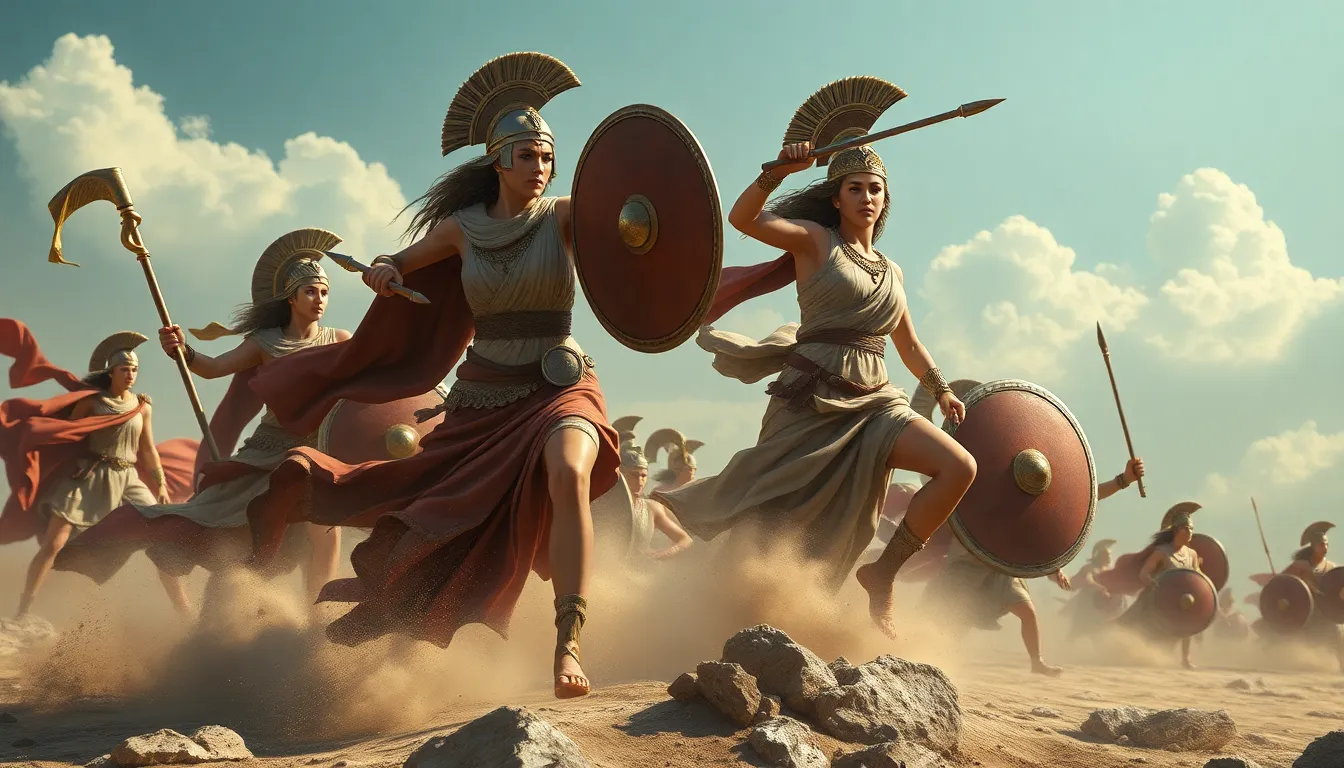
The Role of Women in Greek Warfare: Myths of Strength and Strategy
Introduction: Challenging Traditional Narratives
Throughout history, the narrative surrounding warfare has often been dominated by male figures, casting women into the shadows. Ancient Greece, renowned for its epic battles and military strategies, has traditionally been viewed through a lens that emphasizes male warriors. However, the exploration of women’s roles in warfare reveals a rich tapestry of involvement that challenges these conventional narratives. This article aims to illuminate the strength and strategic contributions of women in Greek warfare, both in myth and reality.
Historical Context: Women in Ancient Greece
In ancient Greek society, the roles of women varied significantly across different city-states. Generally, women were expected to manage the household and raise children, with limited public engagement. However, notable distinctions existed:
- Athens: In Athens, women were largely confined to domestic spheres, with little legal autonomy. They were primarily responsible for home management and child-rearing.
- Sparta: In stark contrast, Spartan women enjoyed greater freedoms. They were educated, participated in physical training, and could own property, which allowed them to have a more prominent role in society.
This divergence in women’s roles based on geography sets the stage for understanding their involvement in warfare, as women in Sparta, for instance, were more integrated into the military culture than their Athenian counterparts.
Mythological Representations of Warrior Women
Greek mythology is replete with powerful female figures that defy the conventional roles ascribed to women. These myths not only celebrate female strength but also influence societal perceptions of women in warfare. Some notable figures include:
- Athena: The goddess of wisdom and warfare, Athena embodies strategic warfare and intelligence. She is often depicted as a protector of heroes, providing counsel and support in battle.
- Artemis: The goddess of the hunt and wilderness, Artemis is associated with independence and strength. She is known for her skills in archery and her fierce protection of her followers.
- The Amazons: A race of warrior women, the Amazons challenge gender norms by engaging in combat and exhibiting martial prowess. They symbolize female empowerment and autonomy in a male-dominated world.
These mythological representations serve not only as tales of strength and valor but also as cultural touchstones that reflect the complexities of women’s roles in warfare.
Real-Life Contributions: Women in Warfare
While myths provide inspiration, historical accounts reveal that women were active participants in warfare. One prominent figure is:
- Artemisia I of Caria: A naval commander during the Greco-Persian Wars, Artemisia fought alongside Xerxes I at the Battle of Salamis. Renowned for her tactical acumen, she played a pivotal role in the Persian fleet’s strategy, demonstrating that women could attain positions of power and influence in military contexts.
Additionally, accounts from various city-states document instances of women who engaged in battles or provided crucial support roles, further solidifying their contributions to warfare.
Women as Strategists and Leaders
The contributions of women in military strategy extend beyond the battlefield. Many women influenced military decisions through indirect means:
- Influential Mothers and Wives: Women often played critical roles in shaping the ambitions and strategies of their male relatives. For example, the wives of generals could influence military decisions by leveraging their social connections or providing counsel.
- Political Figures: Women like Cleopatra VII of Egypt engaged in diplomatic strategies that had significant implications for warfare in the region, showcasing the intersection of gender and political acumen.
Moreover, the presence of women in positions of power often led to more inclusive approaches to military strategy, as they brought different perspectives and insights to decision-making processes.
The Impact of War on Women’s Lives
Warfare inevitably alters societal structures, and the impact on women during and after wars was profound:
- Economic Changes: Wars often led to shifts in economic power, with women assuming roles traditionally held by men who were away at battle. This included managing farms, businesses, and estates, leading to increased visibility and autonomy.
- Social Dynamics: As men went to war, women often took on responsibilities that challenged traditional gender roles. This shift sometimes resulted in a reevaluation of women’s societal contributions post-war.
These changes not only affected immediate wartime dynamics but also had lasting implications for gender roles in Greek society.
The Legacy of Women in Greek Warfare
Despite the significant roles women played in warfare, their contributions have often been recorded or overlooked in historical narratives. This oversight has implications for our understanding of ancient Greek society:
- Historical Record: The documentation of women’s roles in warfare often pales in comparison to their male counterparts. This erasure has led to a skewed understanding of history that overlooks the complexities of gender dynamics.
- Modern Perceptions: The legacy of these warrior women continues to influence contemporary discussions about gender in military contexts. Their stories challenge the notion of warfare as a purely male domain, advocating for a more nuanced understanding of military history.
As we reflect on the contributions of women in Greek warfare, it is essential to recognize the lasting impact of their stories on modern perceptions of women in military roles.
Conclusion: Rewriting the Narrative of Women in Warfare
In conclusion, the exploration of women’s roles in Greek warfare reveals a rich and complex narrative that challenges traditional views. From mythological figures like Athena and Artemis to historical leaders like Artemisia I, women have played vital roles in shaping the course of warfare. Their contributions, often overshadowed by their male counterparts, deserve recognition and further research.
As we continue to delve into the past, it is crucial to rewrite the narrative surrounding women in warfare, acknowledging their strength, strategy, and resilience. By doing so, we honor their legacy and pave the way for a more inclusive understanding of history.