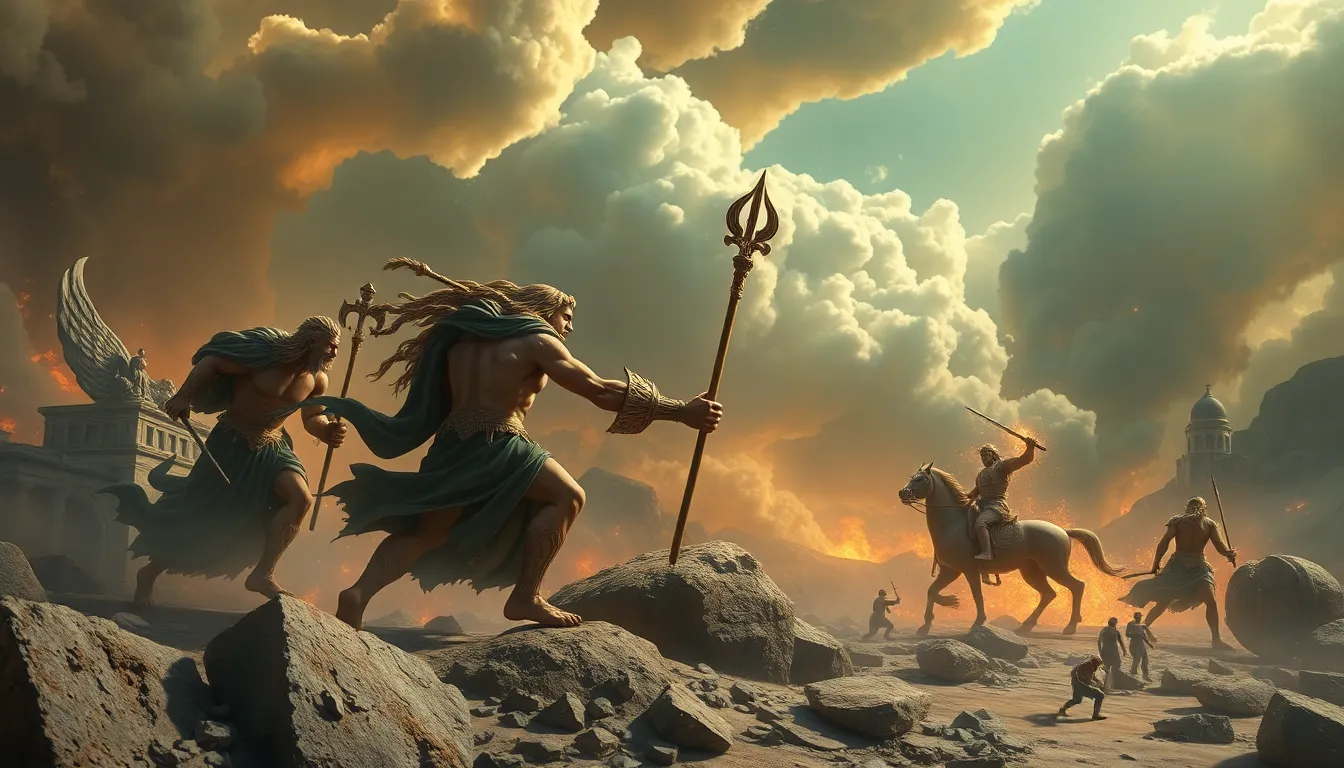
The Great Battle of the Gods: Who Holds the Real Power?
I. Introduction
The concept of divine power has fascinated humanity for centuries, with gods and goddesses often depicted as powerful beings capable of immense feats. In mythology, the hierarchy of these deities and their conflicts provide insight into how ancient cultures understood the cosmos and their place within it. The battles among gods not only reflect their individual strengths and weaknesses but also symbolize the broader conflicts of good versus evil, chaos versus order.
Understanding the dynamics of divine power is essential for comprehending the myths that have shaped our religious beliefs and cultural values. This article aims to explore the nature of divine power among gods, examining historical texts, notable conflicts, and the implications of these battles on human existence.
II. Historical Context of Divine Battles
Throughout history, various mythological texts have chronicled the conflicts among gods, each reflecting the cultural context of their origins. Key sources include:
- The Iliad and Theogony from Greek mythology
- The Bible, particularly the Book of Revelation in Christian theology
- The Puranas in Hindu mythology
These texts depict a rich tapestry of divine conflict, with each battle serving a purpose in the mythology of the respective cultures. Some notable examples include:
- The Titanomachy, where the Olympian gods battled the Titans for supremacy in Greek mythology.
- The War in Heaven, where archangels fought against the forces of evil in Christian theology.
- The battle between Vishnu and Hiranyakashipu, illustrating the struggle between good and evil in Hindu lore.
Such battles are significant, as they often mirror the struggles faced by humanity and reflect the values and beliefs of the societies that created them.
III. Defining Power Among the Gods
Power among the gods can be categorized into several types, each playing a crucial role in their interactions:
- Physical Power: The strength to wield weapons, control nature, and shape the world.
- Spiritual Power: The ability to influence the hearts and minds of mortals, often through divine inspiration or prophecy.
- Moral Power: The capacity to define right and wrong, guiding human behavior and societal norms.
To measure power among deities, one might consider criteria such as:
- Influence over mortals and the natural world
- Control over other deities and supernatural beings
- Recognition and worship from followers
Worship and devotion significantly enhance a god’s power, as the strength of belief and ritual can bolster their influence, leading to a reciprocal relationship between gods and their devotees.
IV. Case Studies of Prominent Divine Conflicts
A. The Titanomachy in Greek mythology
The Titanomachy is one of the most famous divine conflicts, depicting the ten-year war between the Titans, led by Cronus, and the Olympians, led by Zeus. This battle symbolizes the transition of power from the older generation of gods to the new. The outcome saw Zeus and his siblings overthrow the Titans, establishing a new order in the cosmos.
B. The War in Heaven from Christian theology
In Christian theology, the War in Heaven represents the rebellion led by Lucifer against God. This conflict resulted in the expulsion of Lucifer and his followers from Heaven, establishing the dichotomy of good and evil that permeates Christian belief. This battle illustrates the consequences of pride and the importance of loyalty to divine authority.
C. The battle between Vishnu and the demon Hiranyakashipu in Hindu lore
The confrontation between Vishnu and Hiranyakashipu is a powerful tale in Hindu mythology. Hiranyakashipu, a demon king who sought immortality, was determined to kill his son Prahlada for worshiping Vishnu. In response, Vishnu took the form of Narasimha, a half-man, half-lion, and defeated Hiranyakashipu, showcasing the triumph of good over evil and the protective nature of the divine.
V. The Role of Mortals in Divine Power Dynamics
Mortals play a significant role in the dynamics of divine power and conflicts. Their actions can influence the outcomes of divine battles in several ways:
- Human Actions: Mortals can provoke the gods through their behavior, leading to divine retribution or favor. Examples include the Trojan War, which was instigated by the actions of Paris and the subsequent judgment of the goddesses.
- Prayers and Sacrifices: Devotion in the form of prayers and offerings can enhance a deity’s power, as seen in various cultures where rituals are performed to appease the gods.
- Pawns or Catalysts: Mortals can serve as pawns in the grand schemes of gods, or they can act as catalysts for change, influencing divine conflicts through their choices and actions.
The interplay between mortals and deities emphasizes the interconnectedness of human existence and the divine, illustrating that the fate of both realms is often intertwined.
VI. Modern Interpretations of Divine Power
In contemporary media, the representation of gods and their conflicts has evolved, reflecting modern society’s changing perceptions of power. Films, books, and television series often reinterpret ancient myths, making them accessible to new audiences. Some notable adaptations include:
- Marvel Cinematic Universe: The portrayal of Thor and Loki draws from Norse mythology, showcasing their complex relationship and battles for power.
- American Gods by Neil Gaiman: This novel explores the clash between old gods and new, reflecting contemporary society’s shifting beliefs.
- Clash of the Titans: Both the original film and its remake depict the Titanomachy and the conflicts among Greek gods, reimagining these stories for modern viewers.
This shift in perception often highlights themes of individuality, morality, and the consequences of power, resonating with contemporary audiences.
VII. Philosophical Implications of Divine Power
The conflicts among gods raise profound philosophical questions about the nature of good and evil, free will, and predestination:
- The Nature of Good and Evil: The actions of gods often blur the lines between good and evil, prompting discussions about morality in the divine realm.
- Free Will vs. Predestination: Divine battles often lead to questions about whether mortals have control over their destinies or if their fates are predetermined by the whims of the gods.
- Human Moral Dilemmas: The struggles of gods reflect the moral dilemmas faced by humanity, serving as allegories for the complexities of human nature.
These philosophical implications invite deeper reflection on the nature of power and morality, challenging us to consider the lessons these ancient stories impart.
VIII. Conclusion
The exploration of divine power among gods reveals a rich narrative woven throughout mythology and culture. From the Titanomachy to modern interpretations, the battles of the gods reflect the values, beliefs, and moral dilemmas of humanity. As we reflect on these ancient stories, we gain insights into the nature of power, the complexities of good and evil, and the role of mortals in the divine narrative.
Ultimately, the great battle of the gods teaches us that power is not merely about strength or dominance; it encompasses moral responsibility, the influence of belief, and the interconnectedness of all beings. These timeless tales continue to resonate, reminding us of the enduring significance of mythology in understanding the human experience.