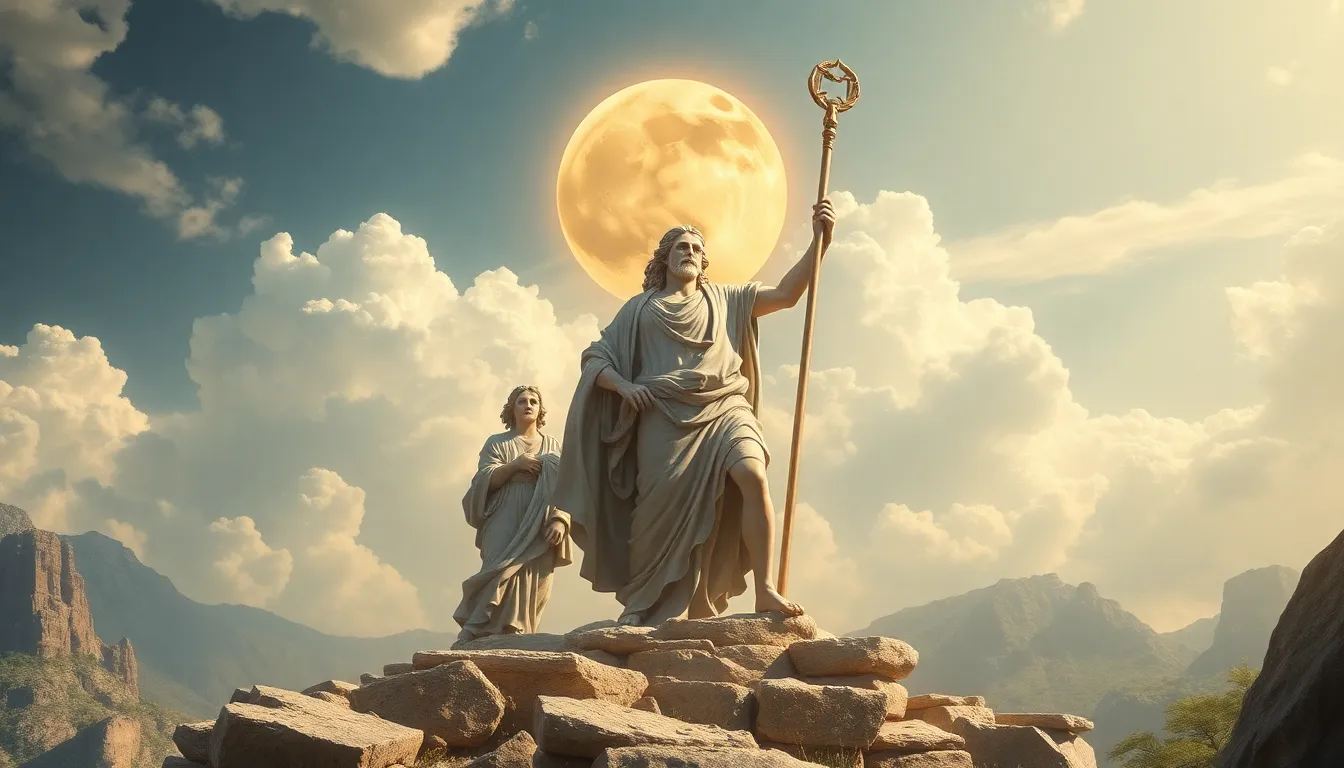
Legends of Elysium: Tales of Those Who Achieved Eternal Happiness
I. Introduction to Elysium
Elysium, often referred to as the Elysian Fields, is a concept deeply rooted in Greek mythology that symbolizes the ultimate paradise and eternal happiness. It is a realm reserved for the souls of the virtuous and heroic, where they can enjoy an afterlife filled with bliss and tranquility.
The origins of Elysium can be traced back to ancient Greek beliefs about the afterlife, evolving over centuries to embody a place where souls were rewarded for their good deeds. Unlike the gloomy underworld ruled by Hades, Elysium is portrayed as a radiant land, often depicted as lush fields, sunny meadows, and serene landscapes.
This article aims to explore the rich tapestry of figures who have achieved eternal happiness in Elysium, delving into their legendary journeys, the myths surrounding them, and the broader implications of these tales in our quest for happiness.
II. The Myths Behind Elysium
A. Historical Context and Cultural Significance
The concept of Elysium has its roots in ancient Greek culture, where different regions had varying interpretations of the afterlife. Elysium represents the ideal state of existence after death, rewarding those who lived by the virtues of courage, honor, and morality.
B. Elysium in Different Civilizations: Greece, Rome, and Beyond
While Elysium is primarily associated with Greek mythology, the idea of a paradise after death appears in various cultures:
- Greece: Elysium is a paradise for heroes and the virtuous.
- Rome: The Romans adopted the concept, viewing Elysium as a peaceful afterlife for the righteous.
- Other Cultures: Many civilizations, including the Egyptians and Norse, have their own versions of an afterlife paradise.
C. The Role of Elysium in the Afterlife Beliefs
Elysium plays a crucial role in the afterlife beliefs of ancient Greeks. It is a place where the soul is liberated from earthly struggles, enjoying an eternity of happiness. This belief influenced moral behavior, encouraging individuals to strive for virtue and excellence in their lives.
III. Legendary Figures of Elysium
A. Heroes and Their Journeys to Eternal Happiness
1. Orpheus and the Quest for His Love
Orpheus, the legendary musician and poet, is famed for his descent into the underworld to retrieve his beloved Eurydice. His enchanting music persuaded Hades to allow Eurydice to return to the living world on one condition: he must not look back at her until they reached the surface.
Despite his love and determination, Orpheus ultimately succumbed to doubt and turned to gaze at Eurydice, causing her to vanish forever. Though he did not achieve Elysium in life, his love and artistry left a profound mark on the world, and it is said that his soul eventually found peace in Elysium.
2. Hercules and His Redemption
Hercules, the demigod known for his strength and heroic feats, is another central figure in Elysium’s mythology. After completing his Twelve Labors, which were tasks of immense difficulty and danger, Hercules earned his place among the gods. His journey is one of redemption and struggle, showcasing the importance of perseverance and courage.
In the end, Hercules is granted immortality and welcomed into Elysium, where he enjoys eternal happiness, a fitting reward for his trials and sacrifices.
B. Everyday People Who Achieved Elysium
1. The Farmer Who Found Joy in Simplicity
Not all who find Elysium are heroes of legend. The tale of a humble farmer illustrates that simplicity and contentment can lead to a fulfilling life. This farmer, through hard work and dedication to his land, found joy in the small things: the changing seasons, the growth of crops, and the laughter of his children.
Upon his death, he was rewarded with a place in Elysium, demonstrating that virtue and happiness are accessible to all, regardless of status or fame.
2. The Artisan Who Created Beauty
Similarly, there was an artisan known for his exceptional craftsmanship. He poured his heart into every creation, finding joy in the act of making. His dedication to beauty and excellence resonated with those around him, and he became a beloved figure in his community.
Upon his passing, the artisan’s spirit was welcomed into Elysium, reminding us that the pursuit of beauty and passion can lead to eternal happiness.
IV. Key Themes of Eternal Happiness
A. The Pursuit of Virtue and Morality
One of the central themes in the legends of Elysium is the importance of virtue. Characters like Hercules and the artisan demonstrate that living a life of integrity and moral values leads to fulfillment and happiness.
B. The Importance of Love and Relationships
The stories of Orpheus and the farmer emphasize the significance of love and connections with others. Relationships enrich our lives and are often a source of joy, which is fundamental in the pursuit of happiness.
C. Finding Joy in Life’s Simple Pleasures
The narratives surrounding everyday people achieving Elysium highlight the beauty of simple pleasures. It is often in the mundane aspects of life that we find true happiness, reminding us to appreciate the little things.
V. Lessons from the Legends
A. What We Can Learn About Happiness Today
The legends of Elysium offer timeless insights into the nature of happiness. They teach us that happiness is not solely reserved for the extraordinary but can be found in the lives of ordinary people who live with purpose and joy.
B. The Role of Perseverance and Resilience
Characters like Hercules embody the idea that perseverance and resilience in the face of adversity are crucial for achieving our goals and finding happiness. Their journeys inspire us to face our challenges with courage.
C. The Value of Community and Connection
These legends remind us that connections with others are vital for our happiness. Building a supportive community can provide the strength and encouragement needed to pursue our paths to joy.
VI. Elysium in Modern Culture
A. The Influence of Elysium in Literature and Art
The concept of Elysium has permeated literature and art throughout history. From ancient texts to modern novels, the idea of a paradise after death continues to inspire creators across genres.
B. The Adaptation of Elysian Themes in Film and Music
Films and music often draw upon Elysian themes, exploring concepts of love, loss, and the quest for happiness. Many stories echo the journeys of mythological figures, reflecting humanity’s timeless search for meaning.
C. Modern Interpretations of Eternal Happiness
Today, the idea of Elysium can be seen in various self-help movements and philosophies that encourage individuals to seek their own version of paradise through mindfulness, gratitude, and self-discovery.
VII. Personal Reflections: Elysium in Our Lives
A. How to Seek Your Own Elysium
Each of us has the potential to create our own Elysium. This can involve pursuing passions, nurturing relationships, and finding meaning in our everyday lives.
B. Practices for Cultivating Happiness and Fulfillment
Some practical ways to cultivate happiness include:
- Engaging in creative activities.
- Fostering meaningful relationships.
- Practicing gratitude and mindfulness.
- Setting personal goals and working towards them.
C. Sharing Personal Stories of Joy and Achievement
Everyone has stories of joy and achievement. Sharing these experiences can inspire others on their journey toward their own Elysium, fostering a community of support and encouragement.
VIII. Conclusion
A. Recap of the Legends and Their Significance
The legends of Elysium remind us that the pursuit of happiness is a timeless endeavor. They illustrate that both extraordinary heroes and ordinary individuals can find eternal joy through virtue, love, and simplicity.
B. The Timeless Nature of the Pursuit of Happiness