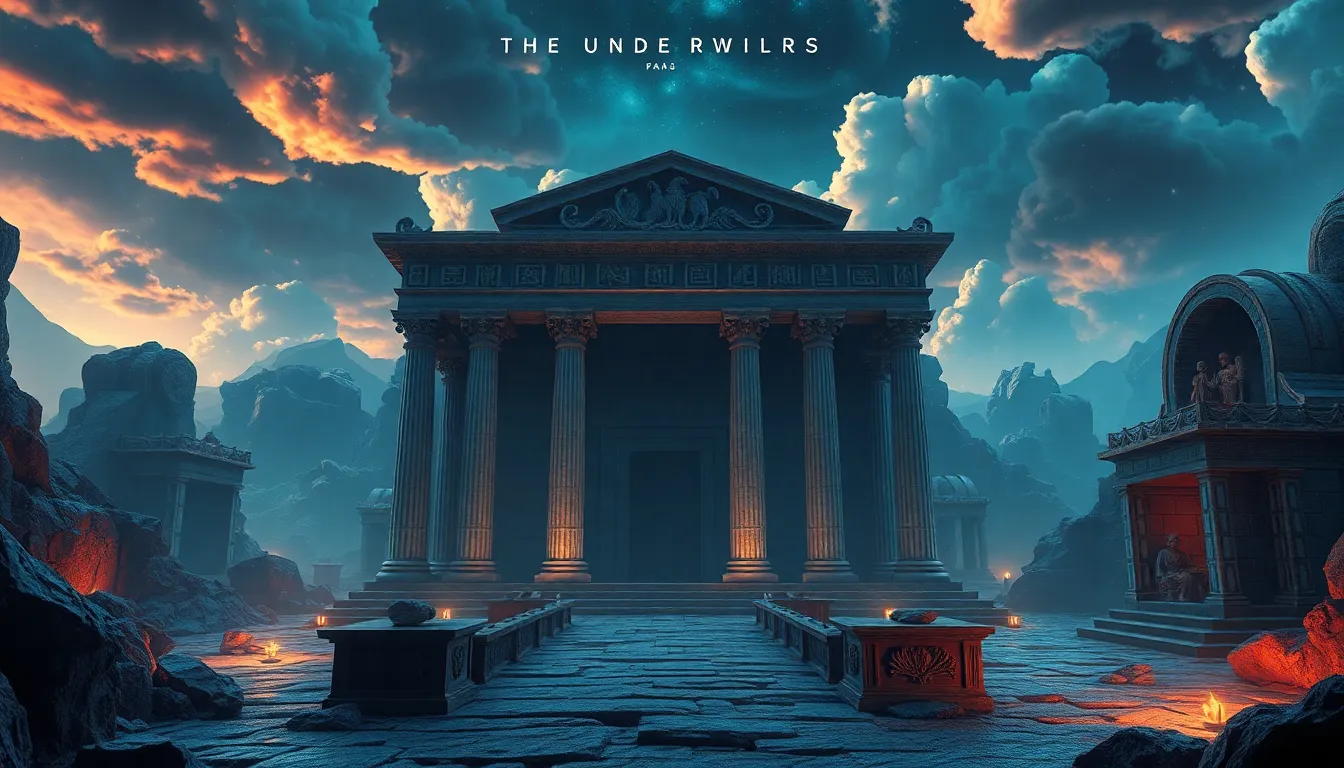
The Underworld’s Architecture: What Did Hades’ Kingdom Look Like?
I. Introduction
In Greek mythology, the Underworld is a complex realm that encapsulates the beliefs and fears surrounding death and the afterlife. Governed by Hades, this shadowy domain is not merely a place of darkness; it is an intricate world with its own geography, architecture, and societal structures. The significance of Hades’ realm in ancient Greek beliefs cannot be overstated, as it serves as a reflection of their understanding of mortality and the afterlife.
This article explores the architectural elements of Hades’ kingdom, delving into its geography, significant areas, and the structures that define this enigmatic realm. By examining the Underworld’s layout and its various regions, we can gain insights into the ancient Greeks’ views on life, death, and the hereafter.
II. The Geography of the Underworld
The Underworld is divided into several distinct regions, each serving a unique purpose in the afterlife. Understanding the geography of Hades’ kingdom is essential to grasping the overall architectural and symbolic significance of this mythological space.
A. Description of the different regions within Hades’ kingdom
Hades’ realm consists of four primary regions:
- Elysium: The paradise reserved for the blessed souls.
- Asphodel Meadows: A neutral zone for ordinary souls.
- Tartarus: The abyss of torment and punishment for the wicked.
- Fields of Punishment: A place for souls who committed lesser sins.
B. The River Styx and its role in transportation
Central to the geography of the Underworld is the River Styx, a dark, murky river that souls must cross to enter Hades’ domain. Charon, the ferryman, plays a crucial role in this transportation, guiding the deceased across the river in exchange for an obol, a coin placed in the mouth of the deceased as payment for passage.
C. The significance of the four main areas: Elysium, Asphodel Meadows, Tartarus, and the Fields of Punishment
Each of these regions signifies different moral standings and fates in the afterlife:
- Elysium: A blissful paradise for heroes and virtuous individuals.
- Asphodel Meadows: A serene, yet bleak landscape where ordinary souls wander, reflecting their unremarkable lives.
- Tartarus: A deep abyss reserved for the most heinous souls, where they are subjected to eternal punishment.
- Fields of Punishment: A place for souls who committed lesser offenses, experiencing various forms of torment as a consequence.
III. Architectural Features of Hades’ Kingdom
The architecture of Hades’ kingdom is as diverse as its geography, featuring grand structures that reflect the nature of the Underworld.
A. The grand entrance: Gates of Hades
The entrance to the Underworld is marked by the formidable Gates of Hades, designed to keep the living at bay and the dead secure within. These gates are often depicted as large, wrought-iron structures, adorned with intricate designs that symbolize death and the passage to the afterlife.
B. Temples and shrines dedicated to the deities
Within the Underworld, one can find temples and shrines dedicated to Hades, Persephone, and other deities associated with death and the afterlife. These structures often feature dark stone and eerie lighting, emphasizing their somber purpose. They serve as places of worship for the souls residing in Hades, providing them a space to honor the gods who govern their fate.
C. The use of stone and darkness in construction
The architectural style of the Underworld is predominantly characterized by the use of dark stone, with structures often appearing rugged and intimidating. The pervasive darkness within Hades serves to create a foreboding atmosphere, reinforcing the notion of the Underworld as a realm of death and the unknown.
IV. Elysium: The Realm of the Blessed
Elysium, or the Elysian Fields, is a stark contrast to the other areas of Hades. This region is characterized by its idyllic landscapes and serene architecture.
A. Description of its idyllic landscapes and architecture
Elysium is often depicted as a beautiful, sunlit paradise filled with lush meadows, vibrant flowers, and gentle streams. The architecture here is elegant and harmonious, featuring marble structures that blend seamlessly with the natural surroundings. The overall ambiance is one of peace and joy, reflecting the rewards of virtuous living.
B. Contrast with other areas of the Underworld
Unlike the dark and tormenting regions of Tartarus or the Asphodel Meadows, Elysium represents the ultimate reward for the righteous. This contrast highlights the moral dichotomy present in Greek beliefs about the afterlife, where one’s actions in life directly influence their fate in death.
C. The role of Elysium in the afterlife and its inhabitants
Elysium serves as a resting place for heroes and those favored by the gods. Inhabitants of this region enjoy eternal bliss, engaging in activities they loved during their lives, such as music, sports, and feasting. The architectural beauty of Elysium symbolizes the rewards of a virtuous life, offering a hopeful perspective on death.
V. Tartarus: The Depths of Punishment
Tartarus is the most feared region of the Underworld, characterized by its deep abyss and horrifying architecture designed for torment.
A. Overview of Tartarus’ architecture and structures
The architecture of Tartarus is grim and foreboding. Its structures are built from jagged rocks and dark stone, with towering walls that seem to close in on the condemned souls. The atmosphere is thick with despair, and the oppressive darkness serves to amplify the fear experienced by those imprisoned within its depths.
B. Description of the torment and confinement experienced by the souls
Souls in Tartarus are subjected to various forms of punishment, often tailored to their sins in life. Famous figures like Sisyphus, who must eternally roll a boulder uphill, demonstrate the cruel irony of their fates. The architecture of Tartarus reflects this torment, with structures that confine and restrict, creating a sense of hopelessness.
C. The significance of Tartarus in the moral framework of Greek mythology
Tartarus plays a critical role in the moral framework of Greek mythology, serving as a stark reminder of the consequences of one’s actions. The architectural design and the experiences of the souls within emphasize the belief that justice must be served in the afterlife, reinforcing the importance of virtue and moral behavior during one’s lifetime.
VI. The Asphodel Meadows: A Middle Ground
The Asphodel Meadows serve as a transitional space within the Underworld, representing a middle ground for souls who did not achieve greatness or commit egregious sins.
A. Characteristics of the Asphodel Meadows and its architecture
The Asphodel Meadows are characterized by their vast, open fields filled with asphodel flowers. The architecture here is simple and unadorned, reflecting the ordinary lives of its inhabitants. Structures may include small shelters or resting places, designed for souls to wander and reflect on their lives.
B. The symbolism of the location for ordinary souls
The Asphodel Meadows symbolize the lives of those who lived without distinction. Souls residing here are neither punished nor rewarded, reflecting the belief that not all lives are marked by extreme virtue or vice. This region serves as a reminder of the vast spectrum of human experience.
C. Exploration of the meadows’ design and atmosphere
The design of the Asphodel Meadows is intentionally mundane, lacking the vibrant colors of Elysium or the oppressive darkness of Tartarus. This neutrality creates an atmosphere of introspection, allowing souls to ponder their choices and the legacy they left behind.
VII. Divine Influence and Mythological Symbolism
The architecture of the Underworld is heavily influenced by the deities who govern it, particularly Hades and Perse