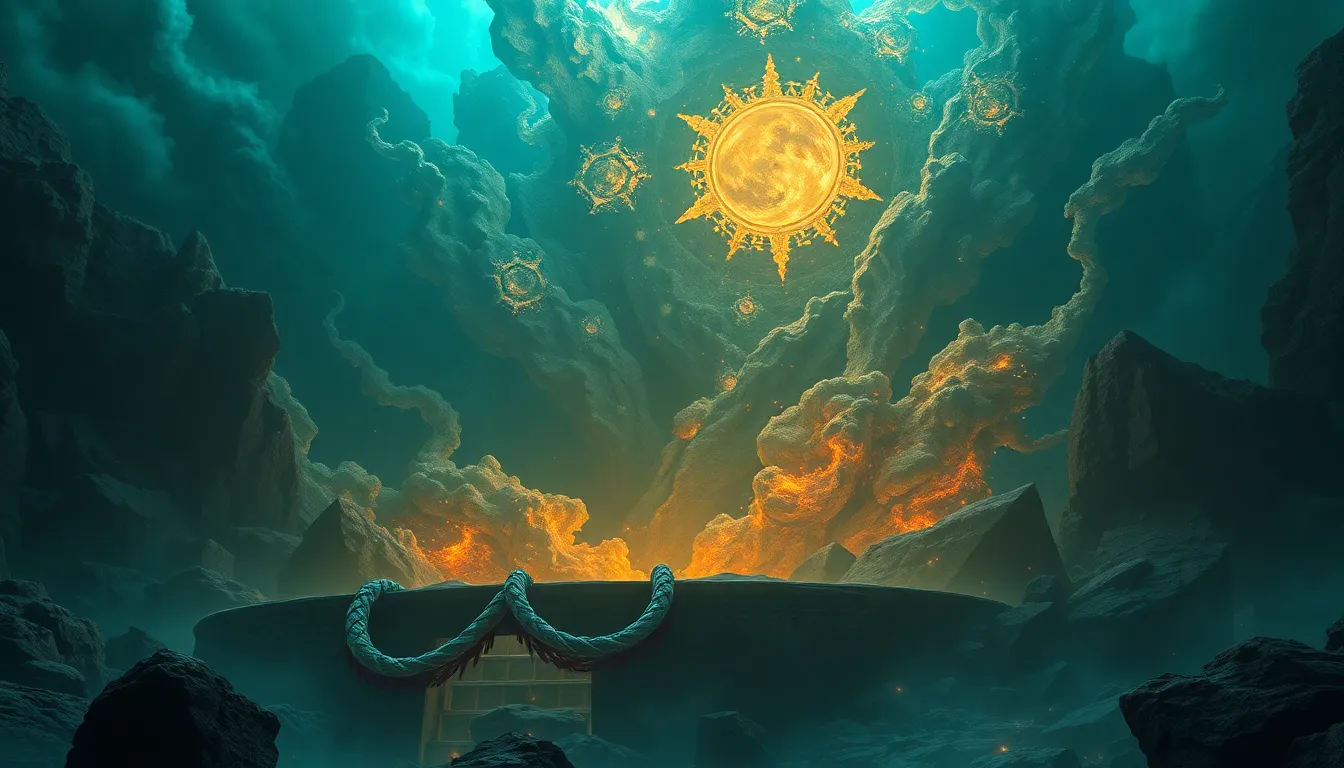
The Role of Dreams in Hades: Messages from the Underworld
I. Introduction
In Greek mythology, Hades is not only the name of the god of the underworld but also the designation for the realm of the dead itself. This shadowy domain plays a critical role in the mythological narrative, where the souls of the deceased traverse after their earthly lives. Dreams, on the other hand, have held significant importance in ancient cultures, often seen as portals to deeper truths and messages from beyond. This article aims to explore the intricate connections between dreams and the underworld, shedding light on how the ancient Greeks perceived the messages that dreams might carry from the realm of Hades.
II. The Concept of the Underworld in Mythology
Hades, often depicted as a dark and gloomy place, is inhabited by the souls of the departed. It is a realm characterized by its separation from the world of the living, governed by the stern and unyielding god, Hades. The following key figures are integral to the mythological landscape of Hades:
- Hades: The god and ruler of the underworld, often associated with wealth and the earth’s hidden treasures.
- Persephone: The queen of the underworld, who spends part of the year with Hades and part with her mother, Demeter, symbolizing the cycle of life and death.
- Charon: The ferryman who transports souls across the River Styx to their final resting place.
Culturally, life after death was viewed through various lenses. The Greeks believed in the concept of an afterlife where the soul would be judged and placed in either Elysium, the Asphodel Meadows, or Tartarus, depending on the life they led. Such beliefs influenced how dreams were interpreted, especially those that touched on death or the deceased.
III. Dreams as a Bridge to the Underworld
Throughout history, dreams have been regarded as significant messages from the deceased or the divine. Ancient Greeks held a firm belief in the idea that dreams could serve as a bridge to the underworld, conveying messages from those who had passed on. This belief is evident in various historical texts and myths.
The symbolism of dreams in ancient texts often reflects themes of death and the afterlife. For instance, dreams of deceased loved ones were seen as a way for spirits to communicate unresolved issues or to provide comfort to the living.
Several examples from mythology illustrate this connection:
- Agamemnon’s Dream: In Homer’s “Iliad,” Agamemnon dreams of a prophetic victory that leads him into battle, showcasing how dreams can foreshadow events tied to life and death.
- Odysseus and the Underworld: In “The Odyssey,” Odysseus visits the underworld and speaks to the spirits of the dead, illustrating the idea that the dead can impart wisdom and warnings through dreams and visions.
IV. The Role of Prophetic Dreams
Prophetic dreams, or dreams that foretell future events, held great significance in ancient Greece. The Greeks viewed such dreams as messages from the gods or the deceased, guiding individuals in their decisions and actions. These dreams were often interpreted by priests or oracles who were believed to have the divine insight to decode their meanings.
Notable myths that involve prophetic dreams include:
- King Croesus: His dream warned him of the consequences of going to war, demonstrating how dreams could alter the fate of individuals.
- Theseus and the Bull: Theseus received a dream that guided him in his quest, showing how divine messages could direct heroic endeavors.
The interpretation of dreams as divine messages was a practice integral to Greek culture, often leading to significant actions based on the insights gained from these nocturnal visions.
V. The Influence of Hades on Dream Content
Dreams influenced by the themes of death and the underworld often depict vivid imagery related to Hades. Common themes might include encounters with spirits, visions of the dead, or symbolic representations of the afterlife.
Psychologically, dreams about Hades can evoke deep-seated fears and anxieties about mortality. These dreams may manifest as:
- Nightmares involving loss or separation.
- Visions of dark landscapes representing the underworld.
- Encounters with deceased relatives or mythological figures.
Cultural variations also exist in the representation of Hades in dreams. While Greek mythology emphasizes the finality and severity of death, other cultures may interpret these dreams with a more comforting or cyclical approach to life and death.
VI. The Afterlife and Dream Interpretation
In ancient Greece, dream interpretation was a crucial practice, especially concerning dreams related to death and the afterlife. Individuals often sought understanding through various methods:
- Oracles and Seers: These figures were consulted for their insights into the meanings of dreams, especially those involving the deceased.
- Rituals and Offerings: People would make offerings to the dead or perform rituals to honor them, believing that this could influence the content of their dreams.
Ancient Greeks believed that the dead might communicate through dreams, and thus, interpreting these dreams was not merely a personal endeavor but a communal one, often involving the guidance of learned individuals.
VII. Modern Perspectives on Dreams and the Afterlife
In contemporary society, the interpretation of dreams related to loss and mourning has evolved but still retains echoes of ancient beliefs. Modern psychology recognizes the significance of dreams as a way to process grief and connect with deceased loved ones.
Some current interpretations include:
- Grief Dreams: Dreams about deceased individuals often reflect the dreamer’s emotions surrounding loss, serving as a means of coping.
- Continuing Bonds: The concept that dreams can facilitate ongoing relationships with deceased loved ones, allowing for communication and emotional resolution.
Additionally, Hades continues to influence popular culture, appearing in literature, film, and art, often representing the unknown aspects of the afterlife and humanity’s fascination with death.
VIII. Conclusion
In summary, dreams have served as profound messages from the underworld, connecting the living with the deceased throughout history. The intersection of dreams, mythology, and our understanding of death reflects humanity’s enduring fascination with Hades and the afterlife. As we continue to explore the meanings behind our dreams, we recognize the timeless narratives that shape our perceptions of life, death, and what lies beyond.