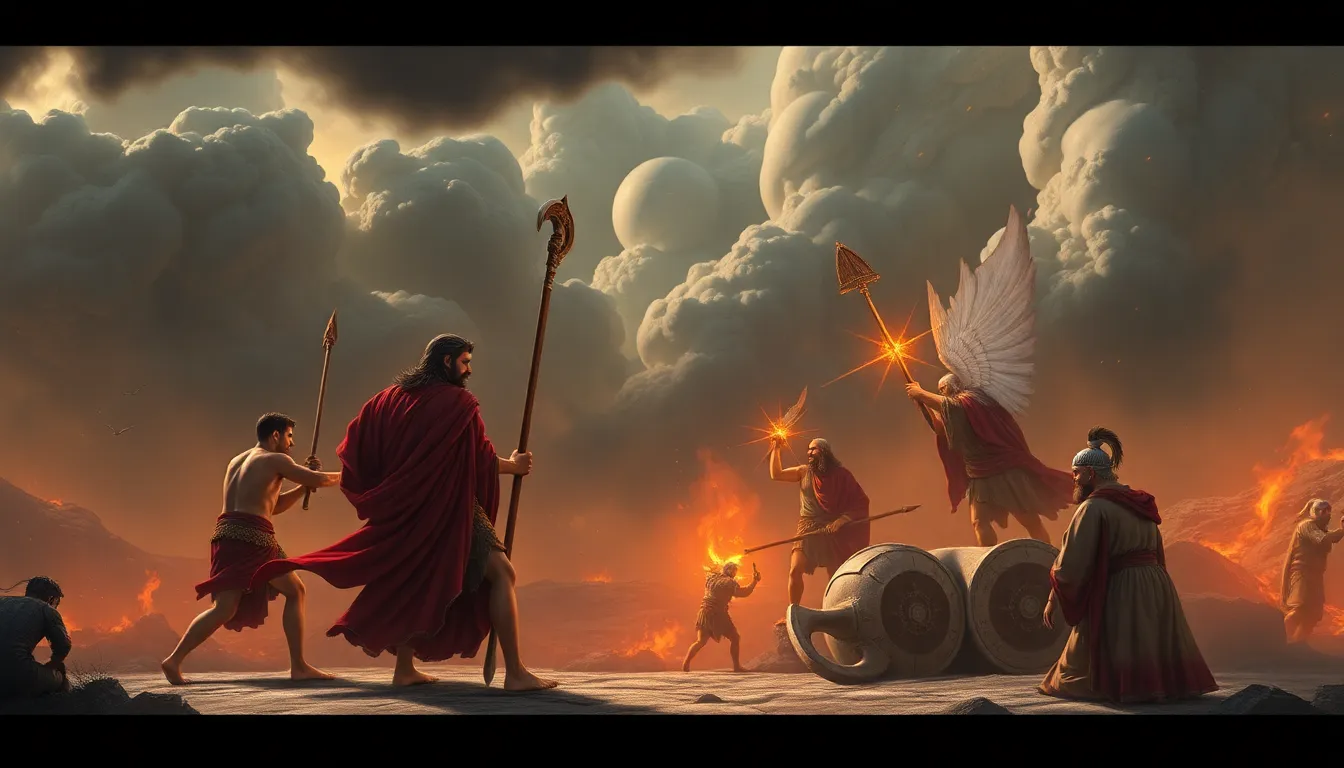
Tales of Woe: How Greek Heroes Faced Divine Punishments
I. Introduction
Greek mythology is rich with tales of gods, mortals, and the intricate relationships that bind them. Central to these narratives is the concept of divine punishment, where the deities impose retribution upon heroes for their hubris, moral failings, or defiance. The heroes of these stories often find themselves in precarious situations, navigating the expectations of the gods while striving for glory and honor.
This article aims to explore the fascinating stories of Greek heroes who faced divine retribution, illustrating how their conflicts with the gods shaped their fates and the moral lessons derived from their experiences.
II. The Nature of Divine Punishment in Greek Mythology
The gods of Olympus were not only powerful beings but also arbiters of moral and ethical conduct among mortals. They held expectations that often reflected the values of ancient Greek society, such as respect for the divine, humility, and justice.
Divine punishment typically manifested in several ways, including:
- Hubris: Excessive pride or defiance against the gods often led to severe consequences.
- Betrayal: Betraying the gods or fellow mortals could invoke their wrath.
- Moral Transgressions: Acts of immorality or injustice were met with divine retribution.
These themes underscore the delicate balance of fate and free will in hero narratives, as characters navigate their destinies while grappling with the repercussions of their choices.
III. Prometheus: The Titan Who Defied Zeus
Prometheus, a Titan known for his intelligence and compassion towards humanity, defied Zeus by stealing fire from the gods and giving it to mortals. This act represented not only a gift of warmth and knowledge but also an affront to Zeus’s authority.
As punishment for his transgression, Zeus sentenced Prometheus to eternal torment. He was bound to a rock, where a great eagle would feast on his liver each day, only for it to regenerate overnight. This cycle of suffering symbolized the consequences of defying divine authority.
The implications of Prometheus’ defiance are profound, resonating with themes of sacrifice, rebellion, and the enduring spirit of humanity in the face of divine punishment.
IV. Oedipus: The Tragic Hero Bound by Fate
The story of Oedipus is one of the most poignant tragedies in Greek mythology. He was prophesied to kill his father and marry his mother, a fate he desperately sought to escape. In his attempts to avoid this destiny, Oedipus inadvertently fulfilled the prophecy, leading to catastrophic consequences.
His punishment manifested in the form of blindness and exile from Thebes, a city he had once saved from the Sphinx. This punishment serves as a stark reminder of the inescapable nature of fate and the tragic consequences of personal actions.
Oedipus’ journey reflects the tension between fate and personal responsibility, highlighting the complexities of human existence and the relentless grip of destiny.
V. Agamemnon: The Price of Sacrifice
Agamemnon, the leader of the Greek forces during the Trojan War, faced dire consequences for his decision to sacrifice his daughter, Iphigenia, to appease the goddess Artemis. His actions were intended to secure favorable winds for his fleet, but the cost was steep.
Upon returning home after the war, Agamemnon encountered divine retribution in the form of his wife, Clytemnestra, who had plotted his murder as revenge for the sacrifice of their daughter. This act of vengeance not only led to Agamemnon’s death but also set off a tragic chain of events that affected his entire family, exemplifying the far-reaching consequences of his choices.
The legacy of Agamemnon serves as a cautionary tale about the moral implications of sacrifice and the unforeseen repercussions of one’s actions.
VI. Heracles: Redemption Through Suffering
Heracles, famed for his incredible strength and heroic deeds, faced immense challenges due to the jealousy of the goddess Hera. In a fit of madness instigated by Hera, he tragically killed his own wife and children, an act that haunted him and prompted his quest for redemption.
To atone for his sins, Heracles undertook the Twelve Labors, a series of nearly impossible tasks that tested his strength, wit, and perseverance. These labors not only served as punishment but also as a path towards redemption, transforming his suffering into heroism.
The narrative of Heracles illustrates the idea that through suffering, one can achieve growth and redemption, a theme that remains relevant in discussions of heroism and morality today.
VII. Achilles: The Wrath of the Gods
Achilles, the greatest warrior of the Trojan War, is remembered for his unmatched prowess in battle and his tumultuous relationship with Agamemnon. When Agamemnon seized Briseis, Achilles’ war prize, it sparked a fierce conflict that brought about dire consequences.
Achilles’ wrath led to the death of his close companion, Patroclus, at the hands of Hector, which profoundly impacted Achilles and ultimately changed the course of the war. This loss served as divine punishment for Achilles’ pride and refusal to fight, highlighting the theme of retribution that ripples through the fabric of Greek mythology.
The consequences of Achilles’ actions not only affected his fate but also had a lasting impact on the Trojan War, showcasing how personal grievances can have wider ramifications in the realm of heroes and gods.
VIII. Conclusion
The tales of Greek heroes facing divine punishment reveal a profound understanding of morality, fate, and the human condition. Each story, whether of Prometheus, Oedipus, Agamemnon, Heracles, or Achilles, illustrates the inescapable nature of divine retribution and the moral lessons embedded within these narratives.
These tales continue to resonate today, serving as reminders of the complexities of heroism and the consequences of our actions. The enduring legacy of Greek mythology lies not only in its captivating stories but also in the timeless moral dilemmas that challenge our understanding of heroism, free will, and the divine.