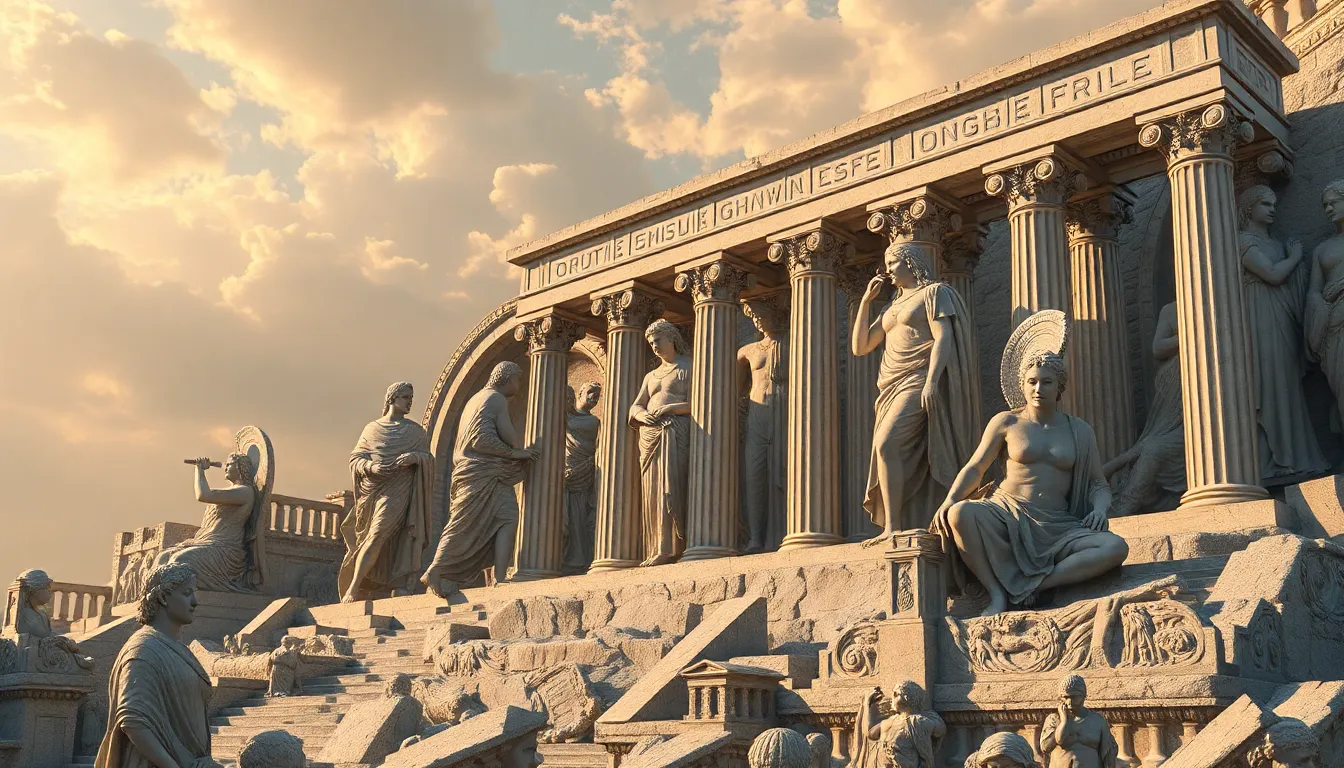
The Price of Immortality: Greek Myths That Explore Consequences
I. Introduction
Immortality has always fascinated humankind, serving as a recurring theme across various cultures and mythologies. In Greek mythology, the concept of eternal life is intertwined with the stories of gods, heroes, and mortals, revealing a complex tapestry of desires and consequences. Exploring the ramifications of seeking immortality is essential, as it sheds light on the human condition and the intrinsic value of mortality. This article argues that Greek myths illustrate that the pursuit of immortality often leads to unforeseen repercussions, emphasizing the importance of understanding the balance between life and death.
II. The Allure of Immortality
Throughout history, the desire for eternal life has been a common thread in human culture. Many seek to avoid the inevitable fate of death, hoping to grasp a semblance of permanence. In Greek mythology, immortality often appears as a reward or a blessing bestowed upon favored individuals.
- Common desires for eternal life across cultures: Across civilizations, the yearning for immortality manifests in various forms, from the Epic of Gilgamesh to the quest for the Holy Grail in Arthurian legends.
- Immortality as a reward in Greek myths: Many heroes and demigods are granted eternal life for their deeds or lineage, which can often lead to unintended consequences.
- Key characters who seek immortality: Figures such as Tithonus, Achilles, and Pandora exemplify the complexities and costs associated with the pursuit of eternal life.
III. Tithonus: Eternal Life, but Not Eternal Youth
The story of Tithonus is a poignant example of the consequences of seeking immortality without the accompanying blessing of eternal youth. Tithonus, a mortal prince, was granted immortality by the goddess Eos, the dawn.
However, the gift came with a grave oversight—Tithonus continued to age, becoming frail and decrepit while his beloved Eos remained eternally youthful. This tale highlights the curse of aging alongside immortality, where physical decay contrasts sharply with the desire for eternal existence.
As Tithonus withered away, the themes of loneliness and despair emerged. Eos, unable to bear the sight of her aging lover, ultimately transformed him into a cicada, forever singing but devoid of the human experience. This myth serves as a cautionary tale about the true price of immortality.
IV. Achilles: The Choice of Glory over Immortality
Achilles, one of the most celebrated heroes of Greek mythology, faced a pivotal choice between a glorious life filled with fame and an immortal existence devoid of purpose. The prophecy foretold that Achilles would either achieve eternal fame through his valor in battle or live a long, uneventful life.
The significance of the “Achilles’ heel” lies in his vulnerability, which ultimately led to his downfall. While he chose glory, the consequences of this decision were profound—he achieved legendary status but at the cost of his life. Achilles’ tale embodies the idea that the pursuit of immortality through fame can be a double-edged sword, leading to both recognition and an early demise.
V. Pandora: The Opening of the Box
Pandora, the first woman created by the gods, was bestowed with beauty and curiosity, yet she became the vessel for mankind’s suffering. Her story begins with the creation of a box (or jar) that contained all the evils of the world, which she was instructed never to open.
However, driven by curiosity and desire, Pandora opened the box, unleashing chaos, disease, and despair upon humanity. This myth illustrates the unintended consequences of curiosity and the human condition’s inherent flaws. While the box contained hope, the overwhelming presence of suffering became the immortal legacy of humanity.
- Immortality of suffering: The evils unleashed by Pandora symbolize the enduring nature of pain and hardship, entwined with the flicker of hope that offers solace amidst despair.
VI. Sisyphus: The Eternal Punishment
The myth of Sisyphus is a powerful reflection on the futility of existence and the nature of punishment. Sisyphus, a cunning king, defied the gods by cheating death multiple times. As a result, he was condemned to roll a boulder up a hill for eternity, only for it to roll back down each time he neared the summit.
This endless cycle of labor serves as a metaphor for the human condition—striving for meaning in a seemingly indifferent universe. The philosophical implications of Sisyphus’ punishment provoke contemplation on whether existence without purpose is truly worth enduring. His story resonates with existential themes, questioning the value of immortality when it is devoid of fulfillment.
VII. The Lessons of Greek Myths
Through the exploration of these myths, several moral implications about seeking immortality emerge. Greek mythology often emphasizes that the pursuit of eternal life can lead to unforeseen consequences, both for the individual and for humanity as a whole.
- The value of mortality: Mortality is integral to the human experience, providing depth and meaning to life. The fleeting nature of existence compels individuals to cherish their time and make meaningful connections.
- Reflection of ancient Greek values: These myths reflect the ancient Greeks’ understanding of the balance between hubris and humility, illustrating that the desire for immortality can lead to downfall.
VIII. Conclusion
In recounting the stories of Tithonus, Achilles, Pandora, and Sisyphus, we see that Greek myths offer profound insights into the consequences of seeking immortality. Each narrative serves as a reminder that the allure of eternal life is often overshadowed by the realities of despair, suffering, and futility.
The enduring fascination with immortality speaks to humanity’s desire to transcend the limitations of existence. However, these myths encourage reflection on the balance between life and death, urging us to appreciate the beauty of our mortal journey. Ultimately, it is within the confines of mortality that we find our humanity and the essence of what it means to live.