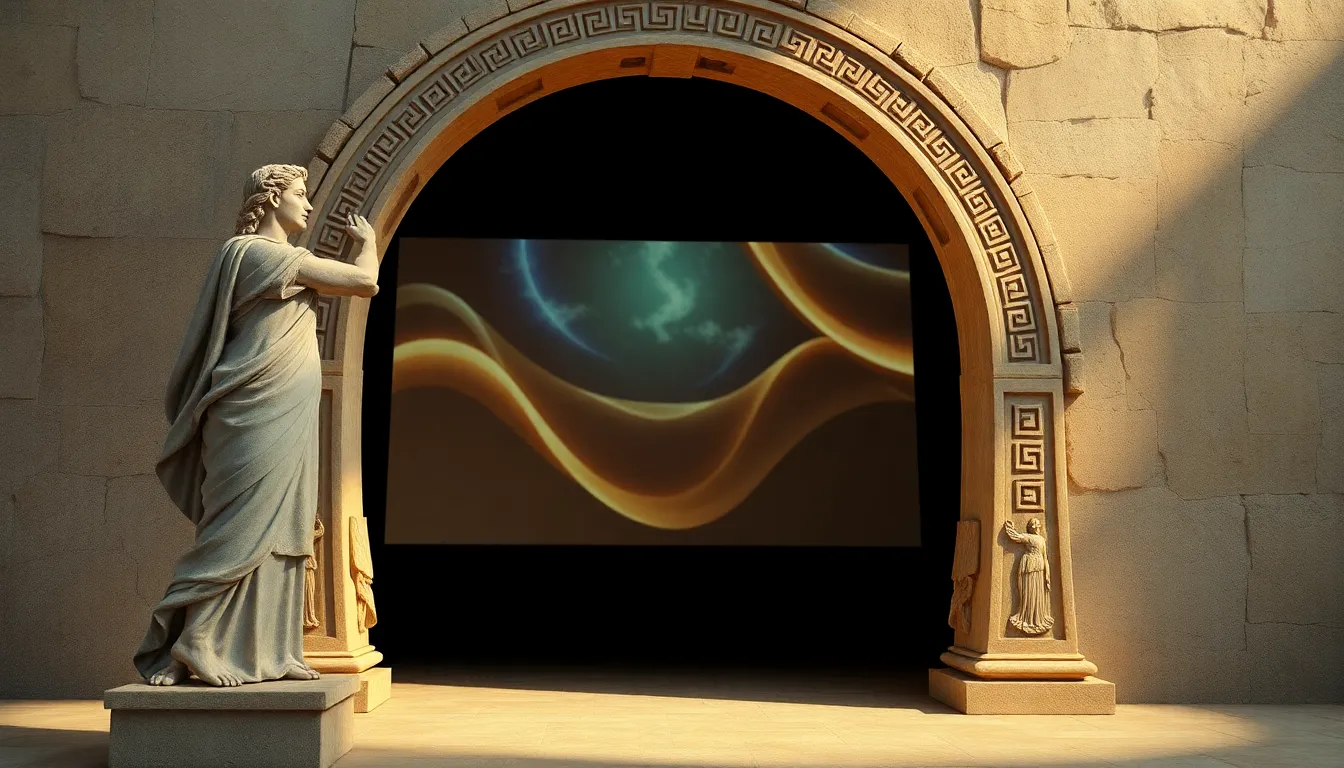
From Ancient Greece to Broadway: The Musicalization of Myths
I. Introduction
Musicalization refers to the process of transforming narratives, including those from ancient myths, into musical formats that incorporate song, dance, and theatrical performance. This cultural phenomenon not only entertains but also deepens our understanding of the human experience. In particular, the relationship between ancient Greek mythology and modern musicals reveals how timeless stories can be reinvented and resonate across different eras.
This article explores the journey of Greek myths from their origins in ancient Greece to their vibrant adaptations on Broadway. It delves into the historical and cultural significance of these myths, the transition from ancient storytelling to modern musical theater, and the themes that continue to captivate audiences today.
II. The Roots of Mythology in Ancient Greece
Greek mythology played a pivotal role in shaping the cultural and social landscape of ancient Greece. Myths were not merely stories; they were integral to the identity of the Greek people, offering explanations for natural phenomena, human behavior, and the complexities of existence.
A. The Role of Mythology in Greek Culture and Society
Myths served various functions, including:
- Religious significance: Myths were often tied to religious practices and rituals, giving insight into the beliefs of the ancient Greeks.
- Social cohesion: Shared myths fostered a sense of community and identity among the Greek city-states.
- Education: They provided moral lessons and cultural values, influencing behavior and societal norms.
B. Key Myths and Their Narratives
Some of the most renowned myths include:
- The Odyssey: The epic tale of Odysseus’s long journey home after the Trojan War.
- The Iliad: The story of the Trojan War, highlighting themes of heroism and fate.
- The Labors of Hercules: The trials faced by Hercules, embodying strength and perseverance.
C. Ancient Performances: From Tragedies to Comedies
Ancient Greek theater was a vital part of cultural life, with performances ranging from tragedies that explored profound themes to comedies that provided social commentary. These performances were often held in amphitheaters and were characterized by elaborate costumes, masks, and music, laying the groundwork for modern theatrical forms.
III. The Transition from Myth to Musical
The evolution of storytelling from ancient Greece to the contemporary musical theater reflects significant shifts in cultural expression. This transition was influenced by various historical and artistic factors.
A. Historical Context: The Evolution of Storytelling in Theater
As theater evolved through the centuries, storytelling became more dynamic, with the introduction of elements such as:
- Music: The incorporation of music and song became essential in engaging audiences emotionally.
- Character development: Modern narratives often focus on character arcs and personal journeys, a departure from the more static heroes of ancient myths.
- Diverse genres: The emergence of genres like opera, musical theater, and cabaret expanded the possibilities for adapting myths.
B. Factors Leading to the Adaptation of Myths into Musical Formats
Several factors contributed to the adaptation of ancient myths into musicals:
- Universal themes: Myths often contain universal themes that resonate with contemporary audiences, making them relevant for adaptation.
- Creative reinterpretation: Artists seek to reinterpret classic tales, offering fresh perspectives and insights.
- Commercial appeal: The popularity of musicals often draws from well-known stories, attracting larger audiences.
C. The Influence of Early Operas and Theatrical Forms on Musicals
The roots of musical theater can be traced back to early operas and other theatrical forms that utilized music to enhance storytelling. These influences paved the way for the development of the modern musical, where music and narrative are intertwined.
IV. Iconic Myths Adapted into Musicals
Numerous musicals have drawn inspiration from Greek mythology, bringing these ancient narratives to life in innovative ways.
A. Case Study: “Hercules” and Its Journey from Myth to Stage
The story of Hercules, a demigod known for his incredible strength and heroic feats, has been adapted into various forms, including the popular Disney animated film and its subsequent stage adaptation. The musical emphasizes themes of identity and self-acceptance, showcasing Hercules’s journey to discover his true self.
B. The Portrayal of “The Trojan War” in Modern Musicals
The Trojan War has inspired several musicals, most notably “The Trojan Women” and “Hecuba.” These adaptations explore themes of war, loss, and resilience, illustrating the enduring relevance of these ancient stories.
C. Other Notable Adaptations: “Hadestown,” “The Lion King,” and More
Modern adaptations of myths have expanded beyond Greek tales, including:
- Hadestown: A retelling of the Orpheus and Eurydice myth, this musical blends elements of jazz and folk music.
- The Lion King: While not a Greek myth, it draws on universal themes of destiny and sacrifice, paralleling many mythological narratives.
- Spring Awakening: Incorporating themes of adolescence and rebellion, it resonates with the youthful spirit often found in mythology.
V. Themes and Motifs in Musical Adaptations
The adaptation of myths into musicals often highlights recurring themes that bridge ancient stories with modern sensibilities.
A. Common Themes Drawn from Mythology (e.g., Heroism, Fate, Love)
Some of the predominant themes include:
- Heroism: The journey of the hero remains a central motif, exploring the trials and tribulations faced along the way.
- Fate vs. Free Will: Many myths question the balance between predetermined destiny and personal choice.
- Love and Sacrifice: Romantic relationships often serve as pivotal elements, highlighting the lengths individuals will go for love.
B. The Relevance of Ancient Myths in Contemporary Society
Ancient myths continue to resonate with modern audiences, reflecting timeless human experiences and emotions. They offer insights into contemporary issues, such as identity, conflict, and the search for meaning.
C. How Musicals Reinterpret These Themes for Modern Audiences
Musicals bring a fresh perspective to ancient narratives by:
- Updating contexts: Adapting settings and scenarios to reflect contemporary society.
- Fostering emotional connections: Utilizing music to evoke feelings and enhance storytelling.
- Encouraging dialogue: Sparking discussions about relevant themes and issues through a familiar narrative lens.
VI. The Creative Process: From Script to Stage
The journey from script to stage involves a collaborative creative process, where multiple artists work together to bring a vision to life.
A. Collaboration Between Writers, Composers, and Choreographers
The successful adaptation of myths into musicals relies on the synergy between:
- Writers: Crafting engaging narratives and dialogue that resonate with audiences.
- Composers: Creating memorable scores that enhance the emotional impact of the story.
- Choreographers: Designing movement that reflects the themes and emotions of the narrative.
B. The Challenges of Adapting Complex Narratives into Musical Format
Adapting intricate mythological stories poses several challenges, such as:
- Condensing narratives: Reducing complex plots while maintaining essential elements.
- Character development: Ensuring that characters resonate with modern audiences without losing their mythological essence.
- Balancing music and story: Integrating musical numbers seamlessly into the narrative flow.