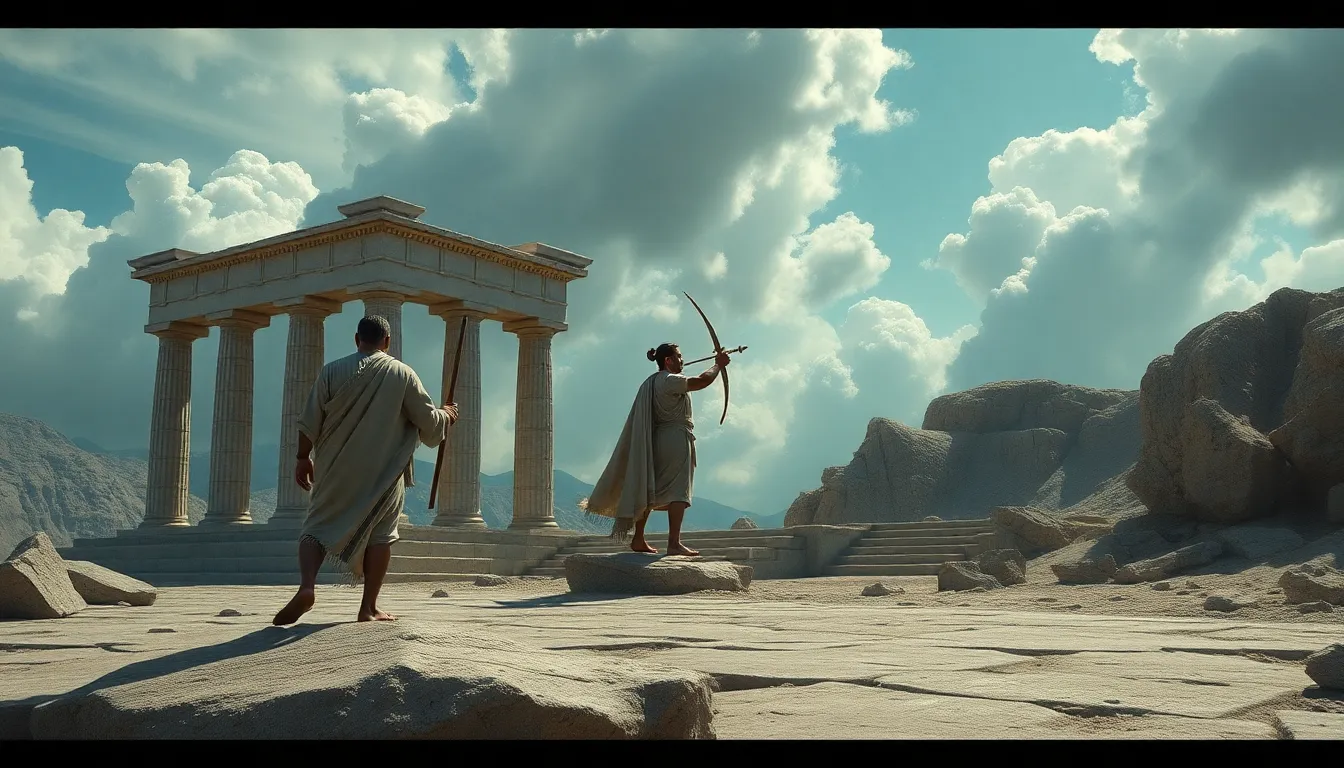
How Greek Myths Influence Modern Day Storytelling Techniques
I. Introduction
Greek mythology, a rich tapestry of gods, heroes, and fantastical creatures, has been a cornerstone of Western literature and culture for centuries. Its stories have not only entertained but also imparted moral lessons and cultural values. The narratives often explore profound themes such as love, betrayal, ambition, and the struggle between fate and free will, making them timeless and universally relevant.
In contemporary storytelling, Greek myths continue to exert a significant influence, shaping narratives across various media, including literature, film, and video games. This article aims to explore the ways in which Greek mythology informs modern storytelling techniques, highlighting its lasting legacy and relevance in today’s world.
II. The Archetypal Hero’s Journey
A. Definition of the hero’s journey in mythology
The hero’s journey, a concept popularized by Joseph Campbell, outlines a universal narrative arc that many heroes undergo. This journey typically involves stages such as the call to adventure, the crossing of thresholds, trials and challenges, and ultimately, a return transformed. Greek myths are replete with such archetypal heroes.
B. Comparison of Greek heroes (e.g., Odysseus, Hercules) with modern protagonists
Greek heroes like Odysseus and Hercules embody the characteristics of the archetypal hero. Odysseus’s journey home in the Odyssey is fraught with trials that test his wit and resolve, while Hercules’s labors showcase strength and perseverance. These figures can be compared to modern protagonists such as Frodo Baggins in The Lord of the Rings or Katniss Everdeen in The Hunger Games, who also face formidable challenges and undergo significant transformations.
C. Impact on narrative structure in books, films, and television
This hero’s journey framework has influenced countless narratives in modern storytelling. Films like Star Wars and The Lion King echo the structure of Greek myths, showcasing the timelessness of this storytelling technique. The familiarity of this structure provides audiences with a sense of comfort while also allowing for creative reinterpretation and innovation.
III. Themes of Fate and Free Will
A. Exploration of fate in Greek myths (e.g., Oedipus, the Fates)
Fate is a dominant theme in Greek mythology, often depicted as an inescapable force that governs the lives of mortals and gods alike. The story of Oedipus, who is doomed to fulfill a prophecy that predicts he will kill his father and marry his mother, illustrates the tension between fate and free will. The Fates, who control the destinies of individuals, further emphasize this theme.
B. Modern interpretations and their influence on character development
Contemporary works frequently grapple with similar themes of fate and free will, shaping character motivations and conflicts. Characters may struggle against their destinies, leading to rich, dramatic arcs that echo the complexities found in Greek myths.
C. Examples from modern literature and cinema
- Harry Potter: The prophecy surrounding Harry’s fate mirrors the themes found in Oedipus’s story.
- The Matrix: Neo’s journey of self-discovery and choice reflects the battle between predetermined fate and free will.
- Black Mirror: Many episodes explore the consequences of choice within a predetermined framework, resonating with the themes of fate in Greek mythology.
IV. The Use of Symbolism and Allegory
A. Understanding symbolism in Greek mythology (e.g., the Labyrinth, Prometheus)
Greek myths are rich with symbolism, allowing for multiple interpretations. The Labyrinth represents complexity and the journey through life’s challenges, while Prometheus symbolizes the quest for knowledge and the consequences of defiance against divine authority.
B. How modern storytellers incorporate similar symbols to convey deeper meanings
Modern narratives often use symbolism to enhance themes and character arcs. Storytellers may employ objects, locations, or characters as symbols that resonate with audiences on a deeper level, just as Greek myths did.
C. Case studies in popular culture
- Inception: The dream world acts as a labyrinth, showcasing the complexities of the human mind.
- Game of Thrones: The Iron Throne symbolizes power and the destructive nature of ambition, paralleling the hubris of many Greek heroes.
- Frozen: The journey of Elsa reflects the myth of Prometheus, as she struggles with her identity and the fear of her own power.
V. Complex Characterization and Moral Ambiguity
A. The complexity of Greek mythological figures (gods, demigods, and mortals)
Greek mythology is characterized by its complex figures, each embodying both virtues and vices. Gods like Zeus and Hera are often depicted with very human flaws, creating a rich tapestry of moral ambiguity that resonates with audiences.
B. The rise of morally ambiguous characters in contemporary storytelling
Modern storytelling increasingly embraces characters with moral ambiguity, reflecting the complexities of human nature. This shift can be seen in anti-heroes like Walter White from Breaking Bad or Tony Soprano from The Sopranos, who, much like Greek figures, navigate a world of ethical dilemmas.
C. Analysis of character-driven narratives inspired by Greek myths
Character-driven narratives often draw inspiration from the moral complexities found in Greek myths. By exploring the motivations and flaws of their characters, writers create narratives that are rich in depth and nuance.
VI. The Role of Myth in World-Building
A. How Greek myths provide a framework for world-building
Greek myths offer a vast array of mythological elements that serve as foundational building blocks for world-building. The gods, creatures, and realms described in these myths provide a rich tapestry for authors and creators to draw upon in crafting their own worlds.
B. Influence on fantasy genres and speculative fiction
Many fantasy genres and speculative fiction works integrate mythological elements, creating immersive worlds that captivate audiences. The incorporation of Greek mythology into these narratives serves to enhance the richness and depth of the story worlds.
C. Examples of modern worlds shaped by mythological elements
- Percy Jackson & the Olympians: This series blends contemporary life with Greek mythology, creating a relatable yet fantastical world.
- The Witcher: While rooted in Slavic mythology, the series incorporates elements and archetypes recognizable from Greek myths.
- Marvel Cinematic Universe: Characters like Thor and Loki are reimagined from their mythological origins, creating a modern mythos that resonates with audiences.
VII. The Influence of Greek Myths on Popular Media
A. Examination of adaptations in film, literature, and video games
The influence of Greek mythology is pervasive in popular media. Adaptations of mythological tales into films, literature, and video games highlight the enduring appeal of these stories. Works such as Clash of the Titans and God of War reinterpret ancient myths for contemporary audiences, often with modern twists.
B. Discussion on the resurgence of mythological themes in modern storytelling
In recent years, there has been a resurgence of interest in mythological themes, as seen in the popularity of series like American Gods and films that explore ancient tales. This revival indicates a collective yearning for the archetypal stories that Greek mythology provides.
C. The role of mythology in shaping audience expectations
Greek myths set a precedent for storytelling conventions that audiences have come to expect. Themes of heroism, moral complexity, and the struggle against fate resonate deeply, influencing how stories are constructed and received in modern culture.
VIII. Conclusion
In summary, Greek mythology has profoundly influenced modern storytelling techniques, from the archetypal hero’s journey to complex characterizations and rich symbolism. The themes explored in these ancient tales continue to resonate, shaping narratives across all media and genres.
The enduring legacy of Greek mythology is a testament to the power of storytelling itself. As creators continue to draw from these ancient stories, the future of narrative art remains bright, promising new interpretations and explorations of the human