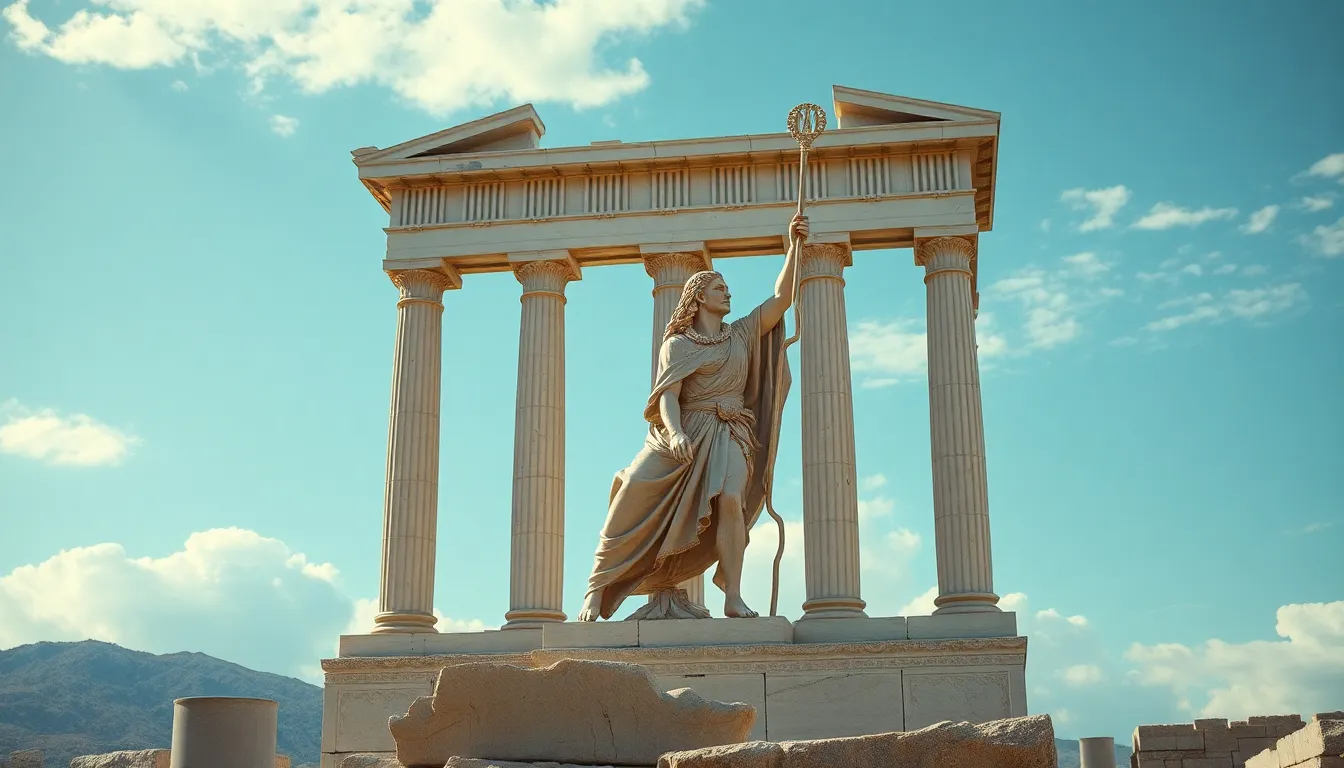
The Role of Greek Myths in Shaping Today’s Cultural Identity
I. Introduction
Greek mythology, a rich tapestry of stories that has captivated humanity for centuries, serves as a vital part of the cultural heritage of Greece and the Western world. These myths, filled with gods, goddesses, heroes, and creatures, not only reflect the values and beliefs of ancient Greek society but have also significantly influenced modern culture across various domains. This article explores the lasting impact of Greek mythology on contemporary culture, examining its origins, its manifestations in literature and art, its moral lessons, and its relevance in today’s media and philosophical discourse.
II. The Origins of Greek Myths
A. Historical context and the formation of Greek mythology
The origins of Greek mythology can be traced back to the ancient Greek civilization, flourishing between the 8th and 6th centuries BCE. Myths were initially part of an oral tradition, passed down through generations before being documented in written form. These narratives often explained natural phenomena, human behavior, and the origins of the world, reflecting the ancient Greeks’ attempts to make sense of their existence.
B. Key figures and deities in Greek mythology
Central to Greek mythology are a plethora of deities and mythical figures, each embodying different aspects of life and nature. Some of the most significant include:
- Zeus: The king of the gods, associated with thunder and the sky.
- Hera: The queen of the gods, protector of marriage and family.
- Poseidon: God of the sea, earthquakes, and horses.
- Athena: Goddess of wisdom, war, and crafts.
- Hades: God of the underworld.
- Heracles: A demigod known for his strength and heroic feats.
III. Greek Myths in Literature and Art
A. Influence on classical literature and modern storytelling
Greek mythology has profoundly impacted literature, inspiring countless works from ancient epics like Homer’s Illyad and Odyssey to modern novels and films. The themes and characters drawn from these myths resonate with universal human experiences, allowing them to transcend time and geographical boundaries.
Many contemporary authors and filmmakers draw upon Greek myths, adapting them to explore modern themes such as identity, love, and conflict. Examples include:
- Madeline Miller’s Circe: A retelling of the life of Circe, drawing on themes of feminism and self-discovery.
- Rick Riordan’s Percy Jackson series: A modern twist on Greek mythology aimed at younger audiences.
- Films like Troy and Clash of the Titans: Adaptations that reinterpret the stories of heroes and gods for contemporary viewers.
B. Representation in visual arts and their lasting impact
The influence of Greek mythology extends into the realm of visual arts. From ancient pottery and sculpture to modern paintings and graphic novels, these myths have provided endless inspiration for artists. For example:
- Classical sculptures: Often depicted gods and heroes, showcasing their idealized forms and attributes.
- Renaissance painters: Artists like Botticelli and Raphael drew heavily on mythological themes, embedding them in their iconic works.
- Modern graphic novels: Artists like Frank Miller have reimagined Greek myths in a contemporary context, blending traditional storytelling with modern aesthetics.
IV. Moral Lessons and Human Archetypes
A. Exploration of themes and moral lessons in Greek myths
Greek myths are rich in moral lessons and ethical dilemmas, often reflecting the complexities of human nature. Themes such as hubris, fate, and the consequences of one’s actions are prevalent throughout these stories. Key moral lessons include:
- The dangers of pride: Many heroes, such as Icarus and Narcissus, meet tragic ends due to their excessive pride.
- The importance of humility: Characters like Odysseus, who demonstrate cleverness tempered with humility, often achieve success.
- Consequences of betrayal: Myths like that of Medusa illustrate the repercussions of betrayal and vengeance.
B. Relevance of archetypal characters in today’s society
Greek mythology presents archetypal characters that continue to resonate with contemporary audiences. These archetypes include:
- The Hero: Figures like Heracles and Odysseus represent the journey of self-discovery and overcoming adversity.
- The Trickster: Characters like Hermes embody wit and cleverness, challenging the status quo.
- The Mentor: Wise figures like Athena guide heroes on their journeys, reflecting the importance of guidance in personal development.
V. Greek Myths in Modern Media and Entertainment
A. Adaptations in film, television, and video games
In recent years, there has been a resurgence of interest in Greek mythology, particularly in films, television series, and video games. These adaptations have brought ancient stories to new audiences, often with modern twists. Examples include:
- Films: Blockbusters like Wonder Woman and Immortals incorporate mythological elements, blending them with contemporary narratives.
- Television series: Shows like American Gods and Blood of Zeus reimagine mythological tales for modern viewers, exploring themes of belief and power.
- Video games: Titles like God of War and Hades draw heavily from Greek mythology, allowing players to engage with these stories interactively.
B. The resurgence of interest in Greek mythology through popular culture
The revival of interest in Greek mythology can be attributed to its themes of heroism, love, betrayal, and adventure, which resonate with the human experience. Social media platforms, literature, and various forms of entertainment have sparked discussions and explorations of these ancient stories, emphasizing their relevance in today’s world.
VI. Greek Mythology and Philosophy
A. Connection between mythological narratives and philosophical thought
Greek mythology is intricately linked to Greek philosophy, with many philosophers using myths to illustrate their ideas. Plato, for instance, employed mythological allegories to explain his philosophical concepts, such as the Allegory of the Cave. This intertwining of myth and philosophy highlights the role of narratives in exploring complex ideas about existence, morality, and the nature of reality.
B. The role of Greek myths in shaping ethical frameworks in contemporary society
Greek myths continue to influence modern ethical frameworks, providing narratives that challenge individuals to reflect on their values and beliefs. The moral lessons embedded in these myths serve as a guide for ethical decision-making in contemporary society. By examining the consequences faced by mythological characters, modern audiences can draw parallels to their own lives and societal values.
VII. Myths as a Tool for Cultural Identity
A. How Greek myths contribute to national and regional identities
Greek mythology plays a crucial role in shaping national and regional identities, particularly in Greece. The stories of gods and heroes are woven into the cultural fabric of the nation, influencing art, literature, and traditions. Festivals celebrating mythological figures, such as the Panathenaea in Athens, highlight the enduring legacy of these myths in contemporary Greek culture.
B. The role of mythology in multicultural societies and global narratives
In multicultural societies, Greek myths serve as a bridge between diverse cultures, offering universal themes that resonate across different backgrounds. The globalization of culture has allowed for the blending of mythological traditions, creating new narratives that reflect the complexities of modern identity. This fusion of myths enriches global storytelling, fostering greater understanding and appreciation of cultural diversity.
VIII. Conclusion
In summary, Greek mythology has left an indelible mark on contemporary culture, influencing literature, art, philosophy, and ethical frameworks.