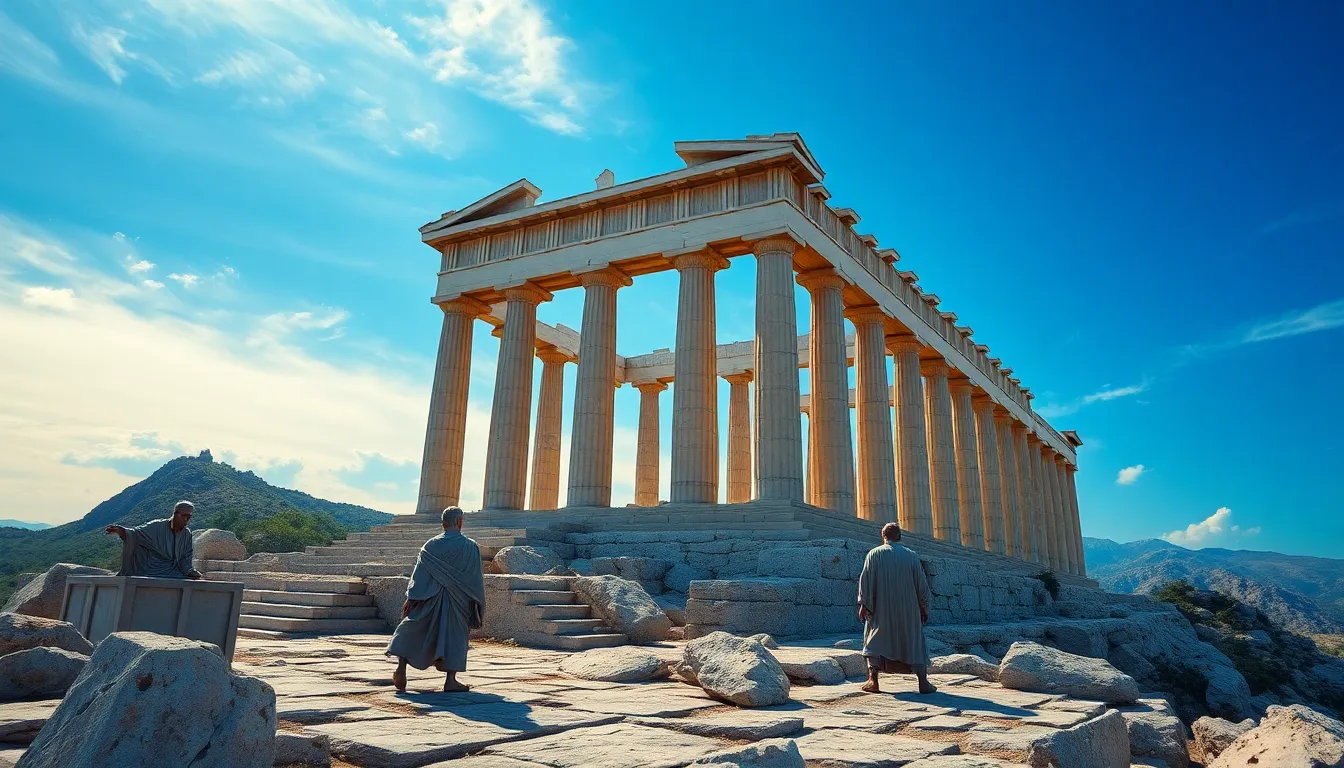
How Greek Myths Are Reflected in Today’s Global Movements
I. Introduction
Greek mythology, a rich tapestry of stories featuring gods, goddesses, and heroic figures, has significantly shaped Western literature, art, and cultural identity. Rooted in ancient narratives, these myths explore universal themes such as love, betrayal, heroism, and destiny. Their historical significance lies not only in their storytelling but also in how they have influenced the moral and ethical frameworks of society throughout the ages.
The purpose of this article is to explore the continued relevance of Greek myths in contemporary global movements. From social justice to environmental activism, the archetypes and narratives of Greek mythology resonate deeply with modern struggles for identity, equality, and sustainability. This article will delve into how these ancient tales inform and inspire contemporary efforts, demonstrating the timelessness of myth as a tool for understanding and navigating the complexities of human experience.
Myths hold an essential place in shaping culture and identity. They provide frameworks through which people can understand their lives, their struggles, and their aspirations. By examining the threads that connect Greek mythology to today’s movements, we can gain insights into the power of storytelling in influencing societal values and motivating change.
II. The Archetypes of Greek Mythology
Archetypes are fundamental symbols or themes that recur across different cultures and narratives, serving as a foundation for storytelling. In Greek mythology, archetypes often manifest in the form of characters who embody specific traits or struggles, making them relatable and impactful.
Some key Greek mythological figures include:
- Hercules: The archetypal hero known for his strength and courage, facing seemingly insurmountable challenges.
- Athena: The goddess of wisdom and warfare, representing strategic thought and justice.
- Prometheus: The Titan who defied the gods to bring fire to humanity, symbolizing rebellion and the quest for knowledge.
These archetypes continue to manifest in modern narratives, inspiring characters in literature, film, and social movements. For example, the image of the self-sacrificing hero can be seen in activists fighting for human rights, while the wisdom of Athena is echoed in leaders advocating for equality and justice.
III. The Concept of Heroism in Global Movements
Heroism, a central theme in Greek mythology, is exemplified by characters such as Achilles and Odysseus. Achilles, known for his unparalleled strength and tragic flaw, represents the complexities of heroism, while Odysseus embodies the cunning and resilience required to overcome adversity.
In contemporary society, heroes emerge in various forms, particularly within social justice, environmentalism, and political activism. Modern-day heroes can be seen as:
- Social Justice Warriors: Individuals who fight against systemic oppression and inequality.
- Environmental Activists: Those who advocate for sustainable practices and the protection of the planet.
- Political Leaders: Figures who challenge the status quo and work towards transformative change.
The impact of these modern heroes is profound. They inspire public perception and motivation, encouraging individuals to engage in activism and advocate for change. Just as the tales of Achilles and Odysseus have inspired generations, contemporary heroes continue to shape societal narratives and aspirations.
IV. The Role of Fate and Free Will
Fate, a pervasive theme in Greek mythology, is often represented by the Moirai, or Fates, who control the destinies of mortals. Characters like Oedipus illustrate the struggle against predetermined fate, presenting a complex interaction between fate and free will.
In modern movements, the concept of free will is crucial in understanding struggles against systemic oppression. Activists often fight against societal norms and institutional barriers, asserting their agency in shaping their destinies. This struggle resonates strongly with current global issues, such as:
- Climate Change: Movements advocating for environmental justice challenge the fate of the planet by advocating for change.
- Human Rights: Activists work against oppressive systems to create a more equitable society.
The themes of fate and free will interweave with contemporary issues, highlighting the ongoing relevance of Greek mythology in understanding human agency and the pursuit of justice.
V. Mythical Narratives in Social Justice Movements
Greek myths have inspired numerous social justice narratives, with figures like Prometheus representing the fight against oppression and the quest for knowledge. His defiance of the gods and sacrifice for humanity resonate with activists advocating for social change.
The use of mythological references in speeches, literature, and art serves to amplify messages and connect audiences to deep-rooted cultural symbols. Some examples include:
- Literature: Writers often draw on mythological themes to frame contemporary struggles, making complex issues more accessible.
- Speeches: Activists reference myths to inspire and mobilize communities, invoking shared cultural narratives.
- Art: Artists reinterpret mythological themes to comment on current social issues, creating impactful visual narratives.
Case studies of movements that explicitly draw from mythological themes include feminist movements, where figures like Artemis symbolize independence and strength. These narratives provide powerful frameworks for understanding and advocating for gender equality.
VI. The Influence of Greek Myths on Global Environmental Movements
In Greek mythology, nature and the divine are intricately connected, with figures like Gaia representing the Earth and its nurturing qualities. This connection highlights the ancient understanding of humanity’s relationship with nature.
Modern environmental movements often echo these themes, as activists seek to reconnect humanity with the natural world. The influence of mythological perspectives can be seen in various ways:
- Reverence for Nature: Many environmentalists draw on the idea of Gaia to advocate for the protection of the planet.
- Sustainable Practices: The acknowledgment of humanity’s role within nature reflects ancient wisdom about balance and respect for the Earth.
These mythological perspectives shape our understanding of humanity’s relationship with nature, emphasizing the urgency of environmental activism in the face of climate change.
VII. Cross-Cultural Connections: Greek Myths and Global Traditions
The universality of themes in Greek myths resonates across cultures, highlighting shared human experiences. By exploring the connections between Greek mythology and other traditions, we can uncover similarities that reflect in modern movements.
Some comparisons include:
- Heroic Journeys: Similar to Odysseus’s journey, many cultures feature heroes who embark on quests for justice and truth.
- Creation Myths: Various mythologies explore the relationship between humanity and the divine, influencing contemporary discussions on identity and purpose.
Intertextuality between Greek myths and contemporary global narratives enriches our understanding of modern movements, demonstrating the timeless relevance of these ancient stories.
VIII. Conclusion
In summary, Greek myths continue to hold enduring relevance in today’s global movements, providing archetypal narratives that inspire and inform contemporary struggles for justice, equality, and environmental sustainability. The themes of heroism, fate, and free will resonate deeply with modern audiences, illustrating the power of storytelling in shaping societal values and motivating action.
As we reflect on the importance of these ancient narratives, it becomes clear that the lessons of Greek mythology remain vital in navigating the complexities of contemporary life. By understanding and embracing these myths, we can foster a greater awareness of our shared humanity and the collective challenges we face.