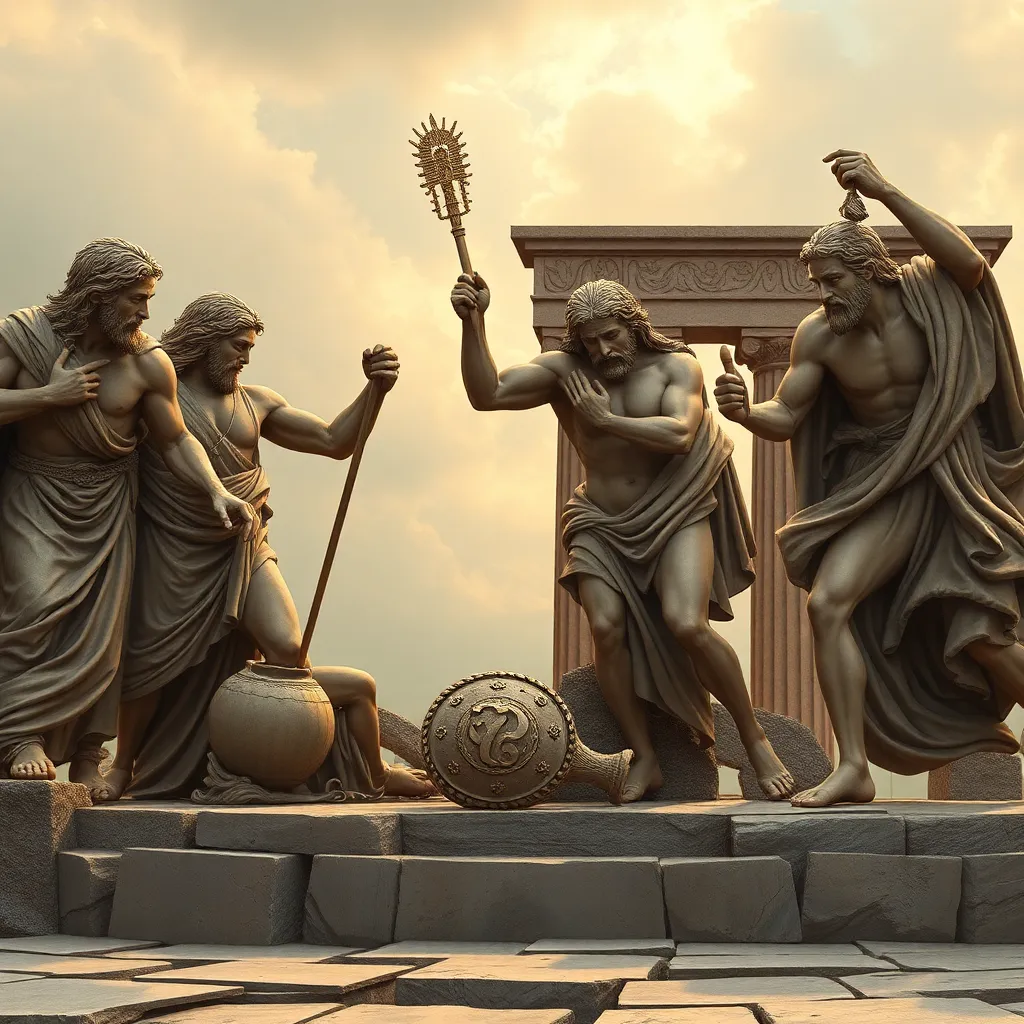
The Heroic Sacrifices: What Greek Myths Teach Us About Loss
I. Introduction
Greek mythology, a rich tapestry of stories woven through centuries, serves not only as a historical account of ancient beliefs but also as a profound commentary on human nature. These myths encompass a wide range of themes, with sacrifice being a predominant motif. The sacrifices made by heroes often reflect the complexities of love, duty, and the consequences of choice.
This article aims to explore how the theme of sacrifice in Greek myths provides valuable insights into the nature of loss. By examining the stories of iconic heroes, we can uncover lessons about selflessness, resilience, and the human condition in the face of adversity.
II. Defining Heroic Sacrifice in Greek Mythology
Heroic sacrifice in Greek mythology is characterized by selfless actions taken by individuals who put the needs of others before their own. These sacrifices often come with great personal cost and are imbued with profound significance.
- Characteristics of heroic sacrifice:
- Selflessness
- Bravery in the face of danger
- Endurance of suffering
- Impact on the greater good
- Examples of notable heroes and their sacrifices:
- Prometheus
- Orpheus
- Achilles
- Agamemnon
The interplay of fate and free will is a recurring theme in these sacrifices, as heroes often struggle against their destinies while making choices that define their legacies.
III. The Story of Prometheus: Sacrifice for Humanity
Prometheus, a Titan, is celebrated for his audacious act of stealing fire from the gods and giving it to humanity. This act of rebellion against Zeus illustrates the ultimate sacrifice for the benefit of mankind.
The significance of this theft lies not only in the gift of fire, which symbolizes knowledge and enlightenment, but also in the heavy price Prometheus pays for his actions. He is condemned to eternal punishment, bound to a rock where an eagle feasts on his liver daily.
Through Prometheus’ tale, we learn invaluable lessons about selflessness and the enduring suffering that can accompany acts of love and generosity. His sacrifice serves as a reminder of the potential consequences of challenging the status quo for the greater good.
IV. Orpheus and Eurydice: Love and Loss
The tale of Orpheus and Eurydice is a poignant narrative that explores the depths of love and the pain of loss. Orpheus, a gifted musician, descends into the Underworld to retrieve his beloved wife, Eurydice, after her untimely death.
His journey symbolizes hope and the lengths one is willing to go for love. However, the story takes a tragic turn when Orpheus, unable to resist the urge to look back at Eurydice before reaching the surface, loses her forever. This moment encapsulates the fragility of life and love, illustrating how easily hope can be shattered.
Orpheus’ story reflects on the inevitability of loss and the bittersweet nature of love, reminding us that while we may strive to overcome grief, some losses are permanent, shaping our lives in profound ways.
V. Achilles: Glory and the Cost of Immortality
Achilles, the central hero of the Trojan War, embodies the conflict between personal glory and the bonds of love. His choices throughout the war highlight the tension between the desire for fame and the inevitable losses that accompany it.
Achilles is faced with a fateful choice: to live a long, unremarkable life or to achieve everlasting glory through his deeds in battle. Ultimately, he chooses the latter, leading to the death of his close friend Patroclus, which propels him into a quest for vengeance against Hector.
This narrative illustrates the high price of fame and the sacrifices required to attain it. Achilles’ story serves as a reflection on the nature of heroism, emphasizing that the pursuit of glory often comes at the cost of personal relationships and emotional well-being.
VI. The Tragic Fate of Agamemnon: Leadership and Sacrifice
Agamemnon, the commander of the Greek forces during the Trojan War, faces a harrowing decision that epitomizes the burdens of leadership. To secure favorable winds for his fleet, he sacrifices his daughter, Iphigenia, an act that haunts him throughout the war.
This tragic choice underscores the complexities of duty and sacrifice. Agamemnon’s leadership is marked by the consequences of his actions, as the loss of Iphigenia leads to strife within his family and ultimately contributes to his downfall.
Agamemnon’s story highlights themes of responsibility, the weight of leadership, and the devastating impact of sacrifice on personal relationships, forcing us to consider the moral implications of our choices.
VII. Lessons from Greek Myths: Coping with Loss
Greek myths are rich with universal themes of grief and resilience, offering a framework for understanding personal loss. The stories of heroic sacrifices resonate with our own experiences, allowing us to find solace in shared struggles.
- Universal themes in mythology:
- Grief as an inherent part of life
- Resilience in the face of adversity
- The transformative power of love and loss
- How these stories help us cope:
- Providing relatable narratives for personal experiences
- Encouraging reflection on our own choices and sacrifices
- Offering a sense of continuity and understanding through storytelling
These myths remind us that storytelling is a powerful tool in processing grief and healing, allowing us to navigate the complexities of our emotions.
VIII. Conclusion
In examining the heroic sacrifices found in Greek mythology, we uncover profound insights into the nature of loss, love, and duty. From Prometheus’ selflessness to Agamemnon’s tragic choices, these tales resonate with the human experience, illuminating the struggles we face in our own lives.
Greek myths remain relevant today, offering timeless lessons on the importance of acknowledging sacrifice and the impact it has on our lives. As we reflect on these narratives, we recognize the enduring nature of love and the resilience required to cope with loss, ultimately finding strength in the stories that connect us all.