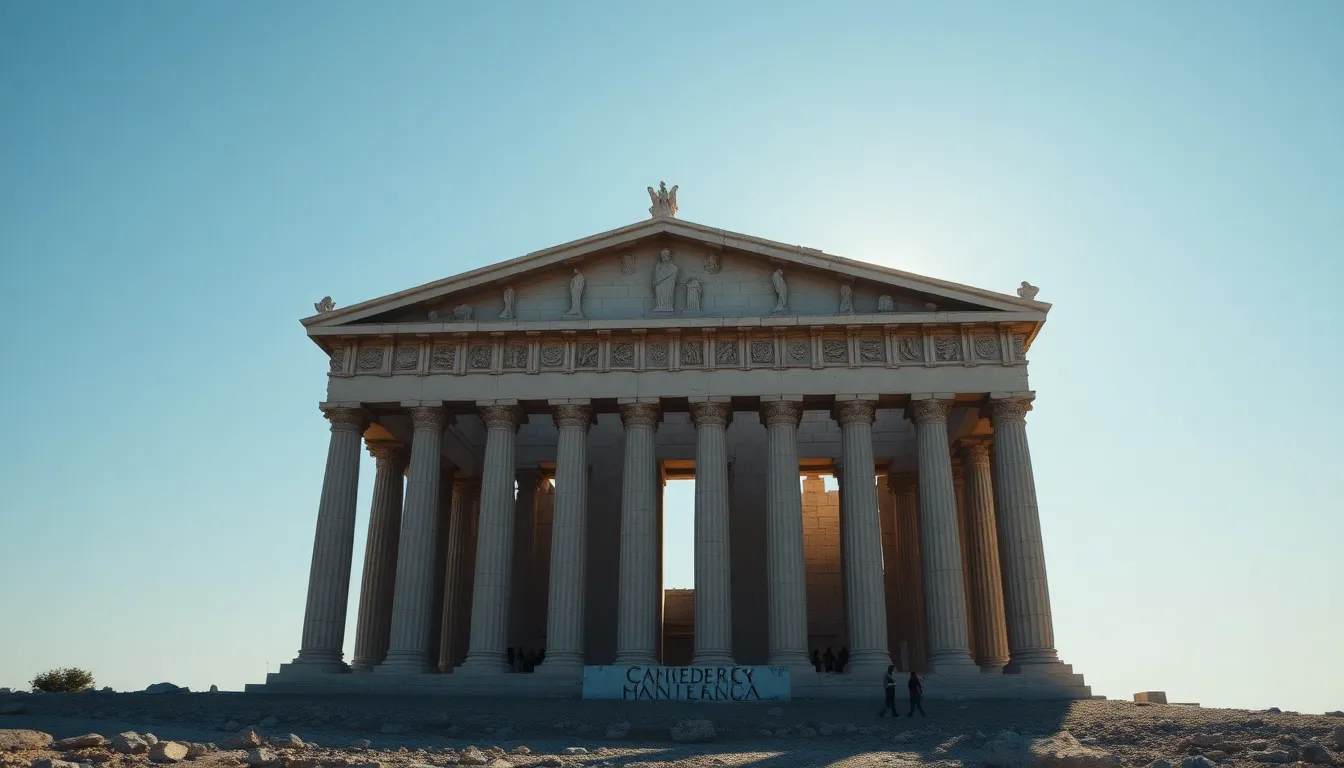
The Parthenon: How It Became a UNESCO World Heritage Site
I. Introduction
The Parthenon, an enduring symbol of ancient Greece, stands majestically on the Acropolis of Athens, representing the zenith of classical architecture and the cultural achievements of Athenian society. Recognized for its historical significance, architectural innovation, and religious importance, the Parthenon is not merely a relic of the past; it embodies the values and aspirations of a civilization that profoundly influenced the course of Western history.
In 1987, the Parthenon was designated as a UNESCO World Heritage Site, a recognition that underscores its universal cultural value. UNESCO, the United Nations Educational, Scientific and Cultural Organization, aims to promote peace and security by facilitating international cooperation in education, the sciences, and culture. The designation of World Heritage Sites serves to protect and preserve significant cultural and natural heritage around the globe.
This article explores the journey of the Parthenon to its UNESCO designation, examining its historical context, preservation challenges, the nomination process, and the ongoing impact of this recognition on global awareness and cultural heritage advocacy.
II. Historical Context of the Parthenon
A. Origin and construction of the Parthenon in ancient Greece
The Parthenon was commissioned in 447 BC during the height of the Athenian Empire, under the leadership of the statesman Pericles. It was constructed to honor the goddess Athena, whom the city of Athens was named after, and to serve as a temple for her worship. Designed by the architects Ictinus and Callicrates, the Parthenon epitomizes the Doric order of classical architecture, characterized by sturdy columns and a simple yet grand design.
Construction of the Parthenon utilized fine white marble from the nearby Mount Pentelicus, and it was adorned with exquisite sculptures created by the renowned sculptor Phidias. The temple’s grandeur and artistic detail reflected the power and wealth of Athens during this period.
B. Architectural significance and innovations
The Parthenon is celebrated not only for its size and beauty but also for its architectural innovations. Key features include:
- Optical refinements: The columns are slightly curved, which corrects optical illusions that would otherwise make the structure appear to sag.
- Entasis: The columns exhibit a slight bulge to enhance the aesthetic appeal and convey strength.
- Elaborate sculptures: The Parthenon was decorated with a series of sculptural reliefs, including the famous frieze depicting the Panathenaic procession and the sculptures of the pediments illustrating mythological battles.
C. Role of the Parthenon in Athenian society and religion
The Parthenon served as a religious center, housing a monumental statue of Athena Parthenos, made of gold and ivory. The temple was a focal point for religious festivals, particularly the Panathenaea, which celebrated the city’s patron goddess and included processions, athletic competitions, and cultural events. The Parthenon was not only a place of worship but also a symbol of Athenian democracy and civic pride, representing the cultural and political achievements of the city-state.
III. The Parthenon’s Decline and Preservation Challenges
A. Historical events leading to damage and deterioration
Throughout its history, the Parthenon has faced numerous challenges that have led to significant damage. Key events include:
- Conquest by the Romans: After the fall of Athens to the Romans, the Parthenon was repurposed and suffered modifications.
- The Byzantine period: The temple was converted into a Christian church, leading to alterations that compromised its original structure.
- The Ottoman period: The Parthenon was transformed into a mosque, and in 1687, it was severely damaged during a Venetian siege when an explosion destroyed a significant portion of the structure.
B. Environmental and human threats to the structure
In addition to historical events, the Parthenon has faced ongoing threats from environmental factors and human activity. These include:
- Air pollution: Industrial emissions have contributed to the deterioration of the marble, leading to erosion and discoloration.
- Tourism: The influx of millions of visitors each year poses risks of wear and tear on the ancient structure.
- Inadequate maintenance: Historical neglect and inadequate restoration efforts have exacerbated the site’s decline.
C. Efforts made for preservation before UNESCO recognition
Before its UNESCO designation, various efforts were made to preserve the Parthenon, including:
- Restoration projects: Initiated in the 1970s, these projects aimed to stabilize the structure and restore damaged elements.
- Establishment of the Acropolis Museum: Opened in 2009, this museum showcases artifacts from the Parthenon and provides a controlled environment for their preservation.
IV. The UNESCO World Heritage Site Designation Process
A. Criteria for becoming a UNESCO World Heritage Site
To be designated as a UNESCO World Heritage Site, a site must meet at least one of ten criteria, which include:
- Criterion I: Represent a masterpiece of human creative genius.
- Criterion II: Exhibit an important interchange of human values.
- Criterion III: Bear a unique or at least exceptional testimony to a cultural tradition.
B. The nomination process: Steps taken by Greece
Greece initiated the nomination process for the Parthenon in the early 1980s, gathering extensive documentation and support from cultural experts. This involved:
- Conducting in-depth research on the Parthenon’s historical and cultural significance.
- Coordinating with local and international preservation organizations.
- Submitting a comprehensive nomination dossier to UNESCO, detailing the site’s importance and the plans for its protection.
C. Importance of international collaboration and support
The successful designation of the Parthenon as a UNESCO World Heritage Site was made possible through international collaboration. Support from various cultural heritage organizations and partnerships with countries around the world highlighted the universal significance of the Parthenon, fostering a collective commitment to its preservation.
V. The Role of Global Awareness and Advocacy
A. Influence of cultural heritage organizations
Cultural heritage organizations have played a crucial role in raising awareness about the Parthenon and advocating for its preservation. Their efforts include:
- Organizing conferences and seminars to discuss preservation strategies.
- Publishing research and reports on the site’s condition and conservation needs.
B. Public campaigns and educational initiatives
Public campaigns have aimed to educate citizens and tourists about the importance of the Parthenon, promoting responsible tourism and stewardship. Initiatives include:
- Workshops and educational programs in schools.
- Guided tours that emphasize the site’s historical and cultural significance.
C. Impact of global tourism on preservation efforts
The recognition of the Parthenon as a UNESCO World Heritage Site has significantly impacted global tourism. While tourism provides economic benefits, it also poses challenges for preservation. Managing visitor numbers and implementing measures to protect the site has become a priority for authorities.
VI. The Parthenon Today: Restoration and Maintenance Efforts
A. Current restoration projects and their significance
Today, extensive restoration projects are underway at the Parthenon. These efforts aim to address structural issues and restore the temple to its former glory. Key projects include:
- The replacement of missing or damaged marble blocks with materials that match the original.
- Stabilization of the foundation and columns to prevent further deterioration.
B. Challenges faced in maintaining the site
Despite ongoing restoration efforts, challenges remain in maintaining the Parthenon, including:
- Funding limitations: Securing sufficient financial resources for ongoing restoration is a continuous challenge.
- Weathering: Natural elements, including rain and pollution, continue to threaten the integrity of the structure.
C. Technological advancements in preservation techniques