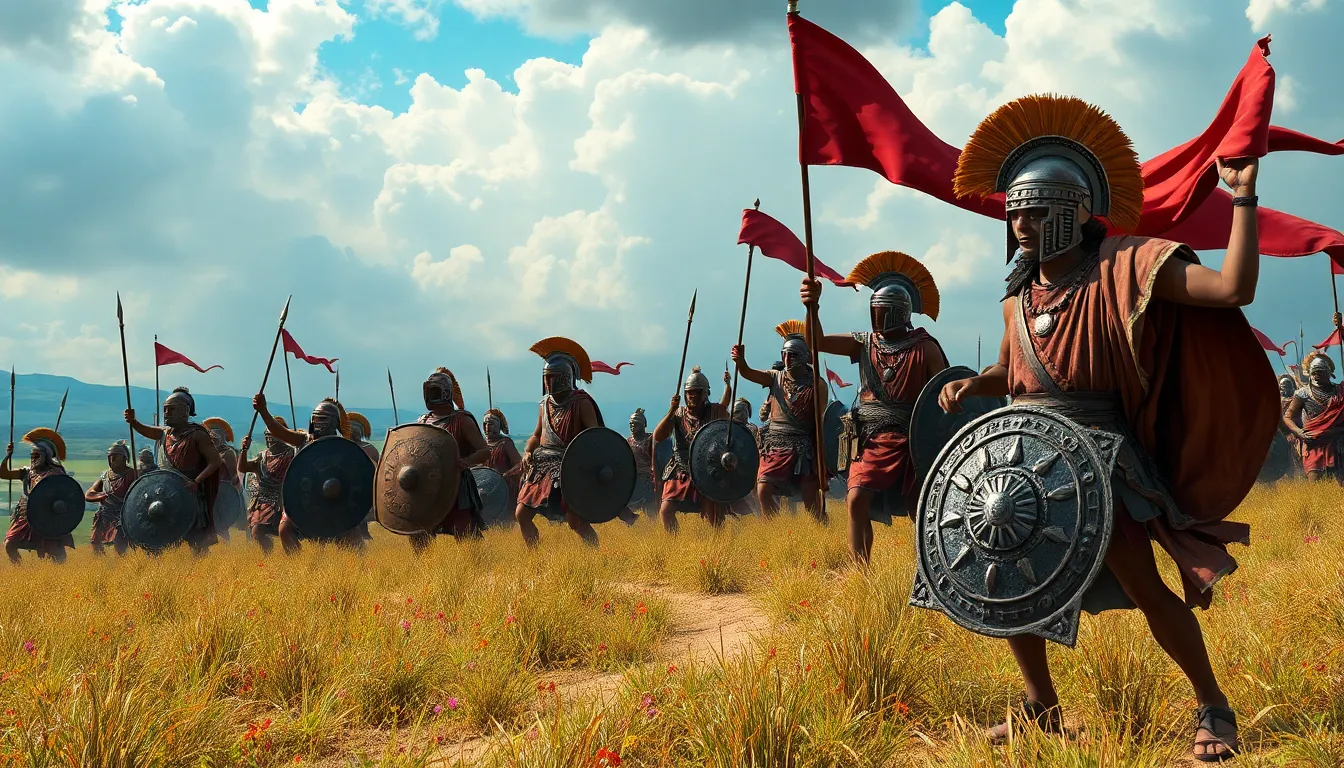
The Trials of the Trojan War: Heroes on the Battlefield
I. Introduction
The Trojan War, a pivotal event in Greek mythology, represents not only a significant historical conflict but also a profound exploration of heroism. This war, fought between the Greek states (Achaeans) and the city of Troy, has become a foundational tale in Western literature, exemplifying the struggle between fate and free will, the valor of heroes, and the impact of divine intervention. Such themes remain relevant today, as they probe the depths of human experience in times of conflict.
II. The Origins of the Trojan War
The origins of the Trojan War are steeped in myth and legend. The conflict’s inception can be traced back to the infamous Judgment of Paris, where the Trojan prince Paris was tasked with choosing the fairest goddess between Hera, Athena, and Aphrodite. This choice led to the abduction of Helen, the wife of Menelaus, thus igniting the war.
A. The Mythological Backstory: The Judgment of Paris
The Judgment of Paris set the stage for the war, highlighting themes of desire, rivalry, and divine influence. Paris, seduced by Aphrodite’s promise of the most beautiful woman, chose her over the other goddesses, leading to dire consequences for both his city and himself.
B. Key Players: The Achaeans and Trojans
The Achaeans were led by Agamemnon, while the Trojans were defended by Hector. Each side featured a host of legendary figures who would become central to the war’s narrative:
- Achaeans: Achilles, Odysseus, Agamemnon
- Trojans: Hector, Priam, Aeneas
C. The Role of Divine Intervention in the Conflict
The gods played a significant role in the Trojan War, actively intervening in mortal affairs. Their allegiances influenced battles and outcomes, showcasing the belief that fate was often intertwined with divine will.
III. Major Heroes of the Achaean Side
The Achaeans boasted several formidable heroes, each embodying different aspects of heroism and facing unique challenges during the war.
A. Achilles: The Greatest Warrior and His Internal Struggles
Achilles, the mightiest of the Achaeans, is a complex figure whose rage and pride drive much of the war’s narrative. His internal struggles, particularly his conflict with Agamemnon over honor and recognition, highlight the personal stakes of the war beyond mere physical combat.
B. Odysseus: The Cunning Strategist and His Pivotal Role
Odysseus, known for his intelligence and cunning, played a critical role in devising strategies that turned the tide of war. His most notable contribution was the idea of the Trojan Horse, a clever ruse that ultimately led to the fall of Troy.
C. Agamemnon: The Commander-in-Chief and His Leadership Challenges
As the leader of the Achaean forces, Agamemnon faced significant challenges in maintaining unity among the diverse Greek forces. His decisions often sparked conflict among the heroes, illustrating the burdens of leadership in wartime.
IV. The Trojan Heroes and Their Valor
On the other side of the battlefield, the Trojans also displayed remarkable heroism, with figures like Hector and Priam embodying the spirit of their city.
A. Hector: The Noble Defender of Troy and His Tragic Fate
Hector, as the foremost warrior of Troy and a loving husband and father, is often seen as the tragic hero of the war. His unwavering commitment to defend his city and family ultimately leads to his downfall, highlighting the poignant realities of war.
B. Priam: The King’s Role in the War and His Plea for Peace
King Priam, a figure of wisdom and sorrow, represents the human cost of the war. His desperate plea to Achilles for the return of Hector’s body underscores the themes of loss and the desire for peace amidst chaos.
C. Other Notable Trojan Figures: Aeneas and Helen’s Duality
Aeneas, a hero destined for greatness beyond the war, and Helen, whose beauty incited the conflict, add layers of complexity to the Trojan narrative. Helen’s duality as both victim and catalyst for the war reflects the intricate relationships at play.
V. The Battle Strategies and Tactics
Throughout the Trojan War, both sides employed various strategies and tactics that shaped the course of the conflict.
A. Analysis of Battlefield Strategies Employed by Both Sides
The Achaeans utilized both brute force and cunning tactics, while the Trojans relied on their fortified city and skilled warriors. Key strategies included:
- Siege Warfare: The Achaeans laid siege to Troy for ten years.
- Individual Duels: Heroes often engaged in one-on-one combat, which could sway the morale of their respective forces.
B. The Significance of Individual Duels and Their Impact on Morale
Individual duels between heroes like Achilles and Hector were pivotal, often serving as turning points in the war that influenced the morale of troops and the outcome of battles.
C. The Role of Alliances and Betrayal in Shifting the Tides of War
Alliances among various Greek city-states and the shifting loyalties of characters like the Trojan traitor, Thersites, added layers of complexity to the warfare, illustrating the unpredictable nature of alliances in battle.
VI. The Impact of Fate and Prophecy
Fate and prophecy played crucial roles in guiding the decisions of heroes during the Trojan War, often leading them to tragic outcomes.
A. The Influence of Oracles and Prophecies on Hero Decisions
Oracles foretold the fates of many characters, influencing their actions. For instance, Achilles was aware of his destined short life, which shaped his choices throughout the war.
B. The Concept of Fate Versus Free Will in the Lives of Heroes
The tension between fate and free will is a central theme, as heroes grapple with their destinies while attempting to assert their agency in the face of divine will.
C. Key Moments Where Fate Altered the Course of Events
Significant moments, such as Hector’s death and the fall of Troy, illustrate how fate intertwined with the choices of heroes, leading to inevitable tragedy.
VII. The Legacy of the Trojan War Heroes
The stories of the heroes from the Trojan War have had a lasting impact on literature and culture throughout the ages.
A. The Enduring Stories and Their Influence on Literature and Culture
The epic tales of the Trojan War have inspired countless works of art, literature, and drama, from Homer’s “Iliad” to modern adaptations, demonstrating the timeless nature of these narratives.
B. The Archetype of the Hero in Subsequent Civilizations
The archetypes of heroes like Achilles and Odysseus have influenced the portrayal of heroes in various cultures, establishing characteristics such as bravery, loyalty, and the struggle against fate.
C. Lessons Learned from the Trials Faced by These Heroes
The trials faced by the heroes of the Trojan War offer valuable lessons about courage, the consequences of pride, and the importance of honor and sacrifice in human endeavors.
VIII. Conclusion
The trials of the Trojan War resonate through the ages, reflecting the complexities of heroism and the human experience in conflict. These ancient stories continue to captivate audiences, serving as reminders of the struggles faced by individuals in the face of overwhelming odds.
As we reflect on the legacy of the Trojan War, we find that the themes