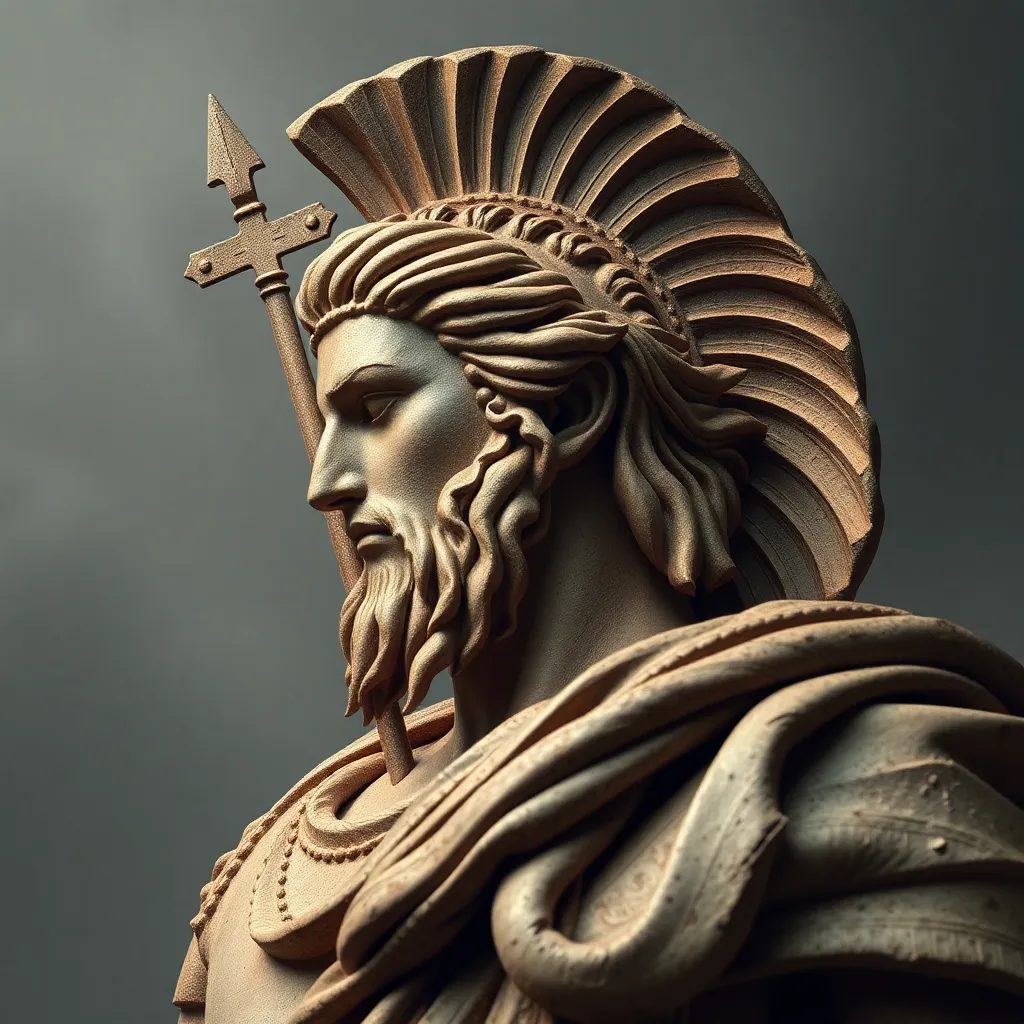
The Legacy of Achilles: Influence on Modern Literature
I. Introduction
Achilles, the central character of Homer’s epic poem the Iliad, is one of the most prominent figures in Greek mythology. Known for his unmatched prowess in battle, he embodies the archetype of the hero, yet his story is also steeped in tragedy and human vulnerability. The Iliad not only recounts the events of the Trojan War but also explores profound themes of honor, fate, and the human condition, making it a cornerstone of Western literature.
This article seeks to explore the lasting influence of Achilles on modern literature, examining how his character and the themes associated with him continue to resonate in contemporary narratives.
II. Achilles as a Symbol of Heroism and Tragedy
In the context of Achilles, heroism encompasses not only valor in battle but also the complex emotional struggles that accompany such a life. Achilles is revered for his strength, yet his journey is marred by internal conflict and moral dilemmas.
Achilles’ tragic flaws, particularly his pride and inability to reconcile his desire for personal glory with the consequences of his actions, remain relevant today. These traits offer a mirror to modern heroes, underscoring the timeless nature of heroism. Examples of modern heroes influenced by Achilles include:
- Frodo Baggins from The Lord of the Rings – grappling with the burden of the One Ring.
- Katniss Everdeen from The Hunger Games – torn between personal safety and the fight for her people.
- Walter White from Breaking Bad – a descent into moral ambiguity in pursuit of power and recognition.
III. Themes of Honor and Glory
The concept of “kleos,” or glory, is central to Achilles’ motivations in the Iliad. His pursuit of honor drives him to both greatness and destruction, illustrating the delicate balance between reputation and morality.
This theme persists in modern literature, where protagonists often navigate the treacherous waters of personal and societal expectations. The following case studies highlight contemporary works reflecting these themes:
- The Great Gatsby by F. Scott Fitzgerald – explores the pursuit of the American Dream and the hollow nature of wealth and status.
- Macbeth by William Shakespeare – a tale of ambition leading to moral decay and tragic consequences.
- The Kite Runner by Khaled Hosseini – examines honor and betrayal within the context of friendship and familial ties.
IV. The Complex Nature of Achilles’ Identity
Achilles is not merely a warrior; he is a multifaceted character embodying both strength and vulnerability. This duality allows readers to empathize with his struggles and understand the human experience beyond physical prowess.
Modern literature often reflects this complexity in character development. Notable examples include:
- Humbert Humbert from Lolita by Vladimir Nabokov – a deeply flawed character eliciting both revulsion and sympathy.
- Offred from The Handmaid’s Tale by Margaret Atwood – a woman caught in a totalitarian regime, balancing resilience with despair.
- Heathcliff from Wuthering Heights by Emily Brontë – a figure of both passion and vengeance, embodying the darker aspects of love and loss.
V. The Role of Fate and Free Will
Achilles’ struggle with fate is a poignant aspect of the Iliad. Despite his extraordinary abilities, he is bound by the threads of destiny, a theme that resonates through modern literature.
The conflict between fate and free will is a common narrative device that challenges characters to confront their limitations and choices. Illustrations from modern narratives include:
- Hamlet by William Shakespeare – a prince torn between action and inaction, questioning his fate and agency.
- Life of Pi by Yann Martel – explores the intersection of belief, survival, and the randomness of fate.
- The Alchemist by Paulo Coelho – a journey that emphasizes personal legend and the pursuit of one’s destiny.
VI. The Impact of Achilles on the Epic Genre
Achilles has left an indelible mark on the epic genre, influencing the evolution of narrative forms that tackle grand themes and complex characters. The archetype of the epic hero has transformed since the age of Homer, with many modern epics drawing inspiration from Achilles’ story.
Modern epics inspired by the Iliad include:
- The Song of Ice and Fire series by George R.R. Martin – characters embodying the complexity of honor and glory.
- Americanah by Chimamanda Ngozi Adichie – a contemporary narrative exploring identity and belonging.
- The Odyssey by Derek Walcott – a reimagining of Homer’s themes through a post-colonial lens.
VII. Achilles in Popular Culture
The representation of Achilles extends beyond literature, permeating films, television, and graphic novels. These adaptations play a significant role in shaping public perception of Achilles, often reinterpreting his story for modern audiences.
Popular renditions include:
- Troy (2004) – a cinematic portrayal that emphasizes Achilles as a tragic hero.
- Achilles in the Underworld – a graphic novel that reimagines Achilles in a contemporary setting.
- Homer’s The Iliad: A New Translation by Caroline Alexander – a modern take on the classic text, making it accessible to a new generation.
VIII. Conclusion
Achilles’ legacy in modern literature is profound and enduring. His character represents the complexities of heroism, honor, and the human condition, resonating with readers across generations. The themes encapsulated in his story—fate, glory, and vulnerability—remain relevant in contemporary narratives, encouraging exploration and reinterpretation.
As we reflect on Achilles’ lasting influence, it becomes clear that his character and the themes surrounding him will continue to inspire future works, inviting new interpretations and adaptations that keep the spirit of Achilles alive.