The Philosophical Significance of the Greek Myth of Bellerophon
I. Introduction
The myth of Bellerophon is one of the most captivating tales in Greek mythology, intertwining elements of heroism, divine intervention, and the complexities of human ambition. Bellerophon, a hero of extraordinary courage, is best known for his conquest of the Chimera with the help of the winged horse Pegasus. This myth not only entertains but also serves as a profound reflection on various philosophical themes that resonate through the ages.
Mythology has long been a vital component of philosophical discourse, offering insights into human nature, morality, and existence. The stories of gods and heroes provide a framework for exploring complex ideas about identity, fate, and the human condition. The purpose of this article is to delve into the philosophical implications embedded within the story of Bellerophon, shedding light on its enduring significance in both ancient and modern thought.
II. The Myth of Bellerophon: A Brief Summary
A. Key characters and plot elements
The myth of Bellerophon features several key characters, including:
- Bellerophon: The heroic protagonist, known for his bravery and exceptional skills.
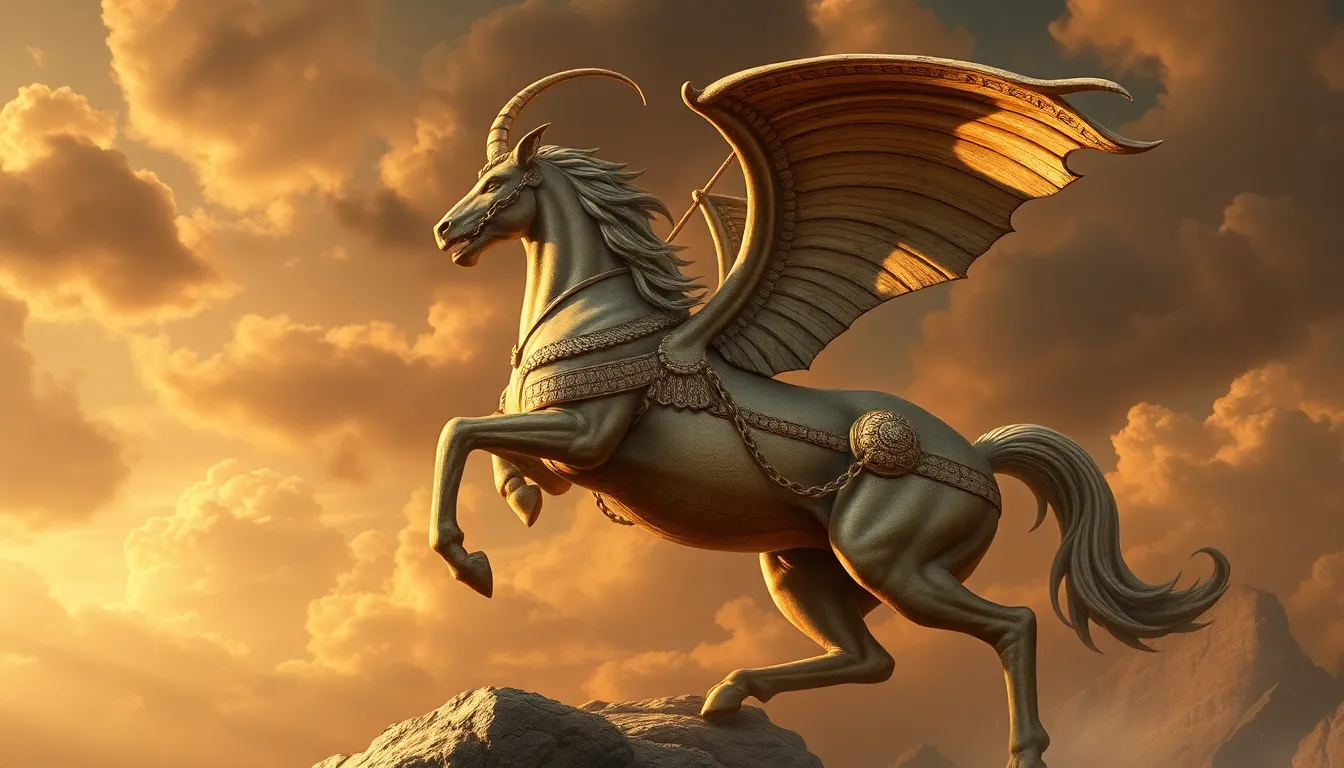
- Pegasus: The majestic winged horse, born from the blood of Medusa, who assists Bellerophon on his quests.
- <strong<King Iobates: The king of Lycia, who challenges Bellerophon with seemingly impossible tasks.
- Chimera: A monstrous creature that Bellerophon must defeat, symbolizing chaos and destruction.
- Athena: The goddess who guides and helps Bellerophon throughout his journey.
Bellerophon’s quest begins when he is sent by King Iobates to slay the Chimera, a creature with the head of a lion, the body of a goat, and a serpent for a tail. With the aid of Pegasus, he successfully defeats the Chimera. However, as Bellerophon’s fame grows, so does his ambition, leading him to attempt to fly to Olympus, the home of the gods.
B. Bellerophon’s quest and the significance of Pegasus
Pegasus, the divine steed, is not only a means of transportation but also a symbol of inspiration and aspiration. The bond between Bellerophon and Pegasus represents the potential for humans to reach for greatness and achieve their dreams. However, this relationship also highlights the delicate balance between ambition and recklessness.
C. The role of the gods in Bellerophon’s journey
The gods play a crucial role in Bellerophon’s journey, offering guidance and assistance while also imposing limitations. Athena provides him with the bridle to tame Pegasus, while ultimately, the goddess Hera punishes Bellerophon for his hubris, causing him to fall from Pegasus and leading to his downfall. This divine intervention raises questions about the nature of fate and the extent of human agency.
III. Themes of Heroism and Hubris
A. Defining heroism in ancient Greek culture
Heroism in ancient Greek culture is often characterized by strength, bravery, and the pursuit of glory. Bellerophon embodies these traits as he undertakes perilous tasks and confronts formidable foes. However, heroism is not without its complexities. The expectations placed on heroes often lead to conflicts between their desires and the expectations of society and the gods.
B. The concept of hubris and its consequences
Hubris, or excessive pride, is a recurring theme in Greek mythology. Bellerophon’s ambition to fly to Olympus epitomizes hubris, as he seeks to elevate himself to the level of the gods. This overreaching ambition ultimately leads to his downfall, emphasizing the idea that no mortal should aspire to surpass divine authority. The consequences of hubris serve as a moral lesson for both ancient and modern audiences.
C. Bellerophon as a representation of the duality of human ambition
Bellerophon’s journey illustrates the dual nature of human ambition: it can drive individuals to achieve greatness while simultaneously leading to their ruin. This duality prompts reflection on the nature of ambition itself, questioning whether the pursuit of greatness is inherently noble or fraught with peril. Bellerophon’s narrative serves as a cautionary tale about the limits of human potential.
IV. The Nature of Reality and Illusion
A. Bellerophon’s encounters with the divine
Throughout his journey, Bellerophon encounters various divine beings, blurring the lines between reality and illusion. His ability to ride Pegasus and confront mythical creatures raises questions about the nature of reality in a world filled with supernatural elements. These encounters challenge the perception of what is attainable and illuminate the often illusory nature of success and recognition.
B. The distinction between human limitations and divine aspirations
Bellerophon’s aspirations to join the gods highlight the distinction between human limitations and divine capabilities. While the gods possess omnipotence, Bellerophon, despite his heroic status, remains subject to the limitations of mortality. This distinction serves as a reminder of the inherent boundaries of human existence and the futility of attempting to transcend them.
C. Philosophical implications of perception versus reality
The myth invites contemplation on the philosophical implications of perception versus reality. Bellerophon’s perception of himself as a hero and a candidate for divinity ultimately clashes with the reality of his mortal nature. This theme resonates with contemporary philosophical discussions about identity, self-perception, and the nature of existence.
V. The Quest for Identity and Self-Realization
A. Bellerophon’s struggle with self-worth and acceptance
Bellerophon’s journey is not only a physical quest but also a profound exploration of identity and self-worth. His initial successes bolster his confidence, yet his eventual fall reveals deep insecurities and the fragility of self-identity. The tension between his heroic persona and his ultimate failure raises questions about the nature of self-acceptance and the importance of humility.
B. The role of personal growth and self-discovery in the myth
The myth of Bellerophon can be interpreted as a narrative of personal growth and self-discovery. Through his experiences, Bellerophon learns valuable lessons about his limitations, the nature of ambition, and the consequences of pride. This growth mirrors contemporary philosophical theories of identity, which emphasize the dynamic and evolving nature of the self.
C. Analogies with contemporary philosophical theories of identity
Bellerophon’s journey resonates with modern philosophical theories that explore the concept of identity as a construct shaped by experience and perception. Just as Bellerophon navigates the complexities of his identity in relation to his achievements and failures, contemporary discussions often focus on the fluidity and multiplicity of identity in a diverse and ever-changing world.
VI. The Interplay Between Fate and Free Will
A. The role of fate in Greek mythology
Fate is a central theme in Greek mythology, often depicted as an inescapable force governing the lives of mortals. Bellerophon’s fate is intertwined with divine will and the expectations of the gods, suggesting that human lives are subject to predetermined outcomes. This raises important questions about the nature of free will and the extent to which individuals can shape their destinies.
B. Bellerophon’s choices and the illusion of control
While Bellerophon makes choices throughout his journey, the notion of control is complicated by the influence of fate. His decision to ascend to Olympus represents a desire for autonomy, yet it ultimately leads to his downfall. This interplay between choice and fate challenges the idea of free will, prompting philosophical inquiries into the nature of agency and determinism.
C. Philosophical discussions surrounding determinism and agency
The myth of Bellerophon exemplifies the philosophical discussions surrounding determinism and agency. Are our choices genuinely ours, or are they dictated by external forces beyond our control? Bellerophon’s tragic end