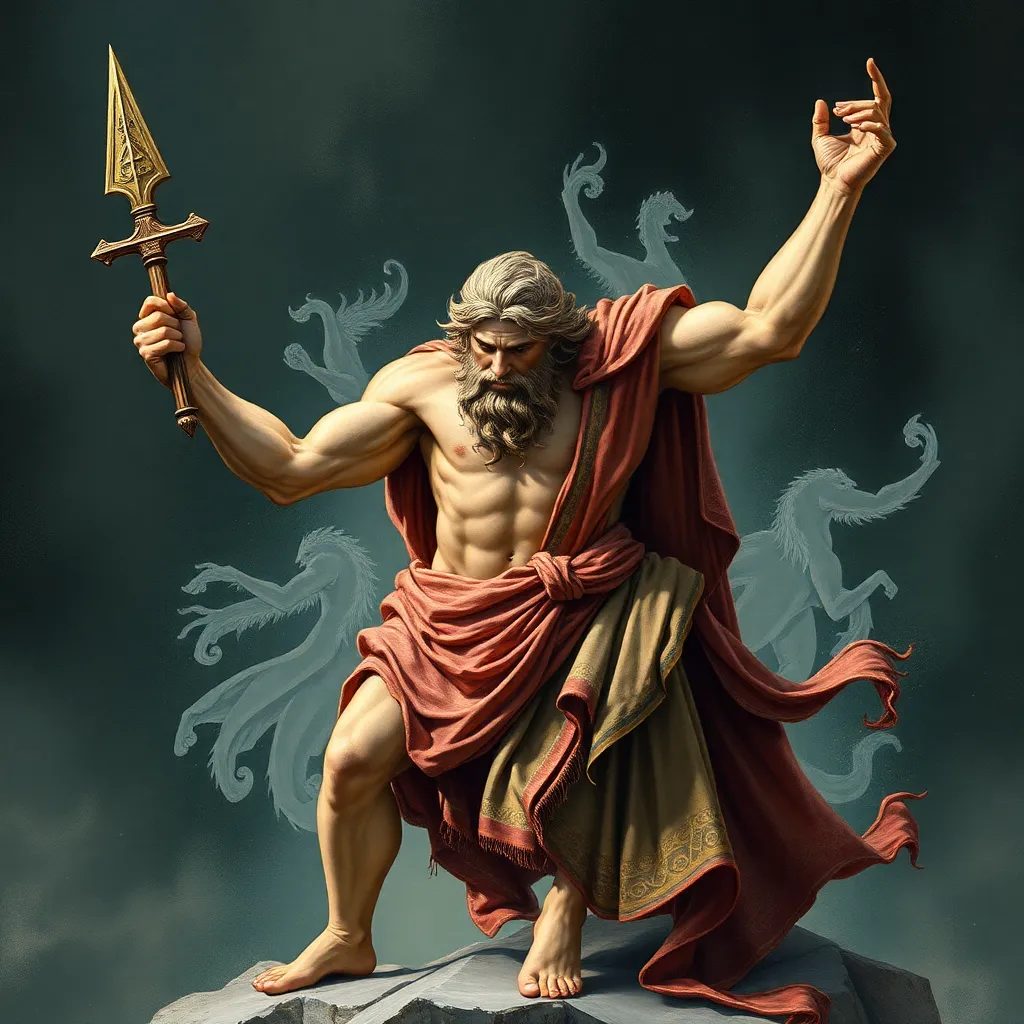
The Psychological Aspects of Heracles: Strength and Vulnerability
I. Introduction
Heracles, known as Hercules in Roman mythology, is one of the most celebrated heroes of ancient Greek traditions. Renowned for his incredible strength and heroic feats, his tales have captivated audiences for centuries. However, beneath this façade of unparalleled might lies a complex character marked by vulnerability and emotional struggles. Exploring the psychological dimensions of Heracles allows us to understand not only his character but also the broader themes of strength and vulnerability that resonate within the human experience.
The importance of examining these psychological aspects cannot be overstated, as they reflect the challenges many face in reconciling their strengths with their vulnerabilities. This article aims to delve into the duality of Heracles’ character, examining how his legendary strength coexists with profound emotional struggles and vulnerabilities.
II. The Duality of Strength and Vulnerability
In the context of Heracles, strength is defined not only by physical power but also by resilience and the capacity to confront challenges head-on. His feats, such as slaying the Nemean Lion and capturing the Golden Hind, exemplify this extraordinary strength. However, vulnerability is a central theme in his narrative, highlighting his emotional challenges and the psychological toll of his heroic journey.
The balance between physical prowess and emotional fragility is a recurring motif in Heracles’ story. He is celebrated for his strength, yet he grapples with the weight of expectations and the consequences of his actions, illustrating that true strength encompasses both ability and the courage to face one’s vulnerabilities.
III. Heracles’ Heroic Feats: A Study of Strength
Heracles is perhaps best known for his Twelve Labors, a series of tasks that tested his strength and endurance. These labors include:
- Slaying the Nemean Lion
- Slaying the nine-headed Lernaean Hydra
- Capturing the Golden Hind of Artemis
- Capturing the Erymanthian Boar
- Cleaning the Augean Stables
- Slaying the Stymphalian Birds
- Capturing the Cretan Bull
- Stealing the Mares of Diomedes
- Obtaining the Girdle of Hippolyta
- Obtaining the Cattle of Geryon
- Fetching the Apples of the Hesperides
- Capturing Cerberus, the three-headed dog
The psychological implications of overcoming these challenges are profound. Each labor represents not just a physical challenge but also a journey of self-discovery and personal growth. As Heracles conquers these formidable foes, he simultaneously confronts his own limitations and fears, illustrating that the path to strength often involves acknowledging and overcoming one’s vulnerabilities.
Ultimately, strength is integral to Heracles’ identity; it defines him and elevates him to heroic status. Yet, this identity is constantly tested by the emotional and psychological challenges he faces, making it a multifaceted aspect of his character.
IV. The Influence of Divine Expectations
As a demi-god, Heracles is subjected to immense societal expectations to embody strength and heroism. The pressure to live up to his divine lineage often manifests as an internal struggle, as he grapples with the expectations placed upon him by both gods and mortals.
The influence of divine relationships, particularly with Zeus, his father, further complicates his psychological state. The need to prove his worthiness as a hero can lead to feelings of inadequacy and self-doubt, reflecting the burdens that come with great power. Heracles’ journey illustrates how external expectations can significantly impact one’s mental and emotional well-being, creating a profound struggle between fulfilling these expectations and maintaining one’s identity.
V. The Burden of Guilt and Madness
One of the most tragic episodes in Heracles’ life is the story of his madness, a punishment inflicted upon him by Hera, which leads to the horrific act of murdering his own family. This event serves as a pivotal moment in his narrative, showcasing the psychological consequences of guilt and trauma.
The aftermath of this tragedy leaves Heracles with an overwhelming sense of guilt, profoundly affecting his mental health. The burden of having committed such a heinous act creates a deep emotional scar, illustrating how vulnerability can emerge from even the strongest individuals. Heracles’ descent into madness is a poignant reminder that strength does not shield one from psychological turmoil; rather, it can coexist with deep emotional pain.
VI. Relationships and Emotional Connections
Heracles’ relationships play a significant role in shaping his psychological landscape. Key figures in his life, such as Megara and Deianeira, provide insight into his capacity for love and the impact of loss on his psyche.
His relationship with Megara, for instance, is marred by tragedy following his madness, while his later relationship with Deianeira reveals his vulnerability in the face of love. The emotional connections he forms are both a source of strength and a reminder of his fragility, emphasizing that even the mightiest of heroes are susceptible to the pain of loss and betrayal.
The vulnerability inherent in these emotional attachments underscores the complexity of Heracles’ character, revealing that love and loss profoundly affect his identity and sense of self.
VII. Redemption and the Search for Identity
Heracles’ journey is ultimately one of redemption, as he seeks to reconcile his past actions and find a sense of self-acceptance. This quest for redemption is a psychological journey that highlights the importance of confronting one’s vulnerabilities and embracing personal growth.
Throughout his trials, Heracles evolves from a figure defined solely by his strength to one who understands the value of vulnerability. This transformation is crucial in his search for identity, illustrating that acknowledging one’s flaws and past mistakes can lead to profound personal growth and redemption.
VIII. Conclusion
In summary, the psychological complexities of Heracles reveal the intricate interplay between strength and vulnerability. His legendary feats and heroic identity are tempered by deep emotional struggles, guilt, and the weight of expectations. These themes resonate not only in ancient mythology but also in contemporary discussions about the human experience.
Heracles’ story serves as a timeless reminder that true strength is not merely the absence of vulnerability but the ability to confront and embrace it. As we reflect on his journey, we gain insights into our own struggles and the universal challenges of navigating strength and vulnerability in our lives.