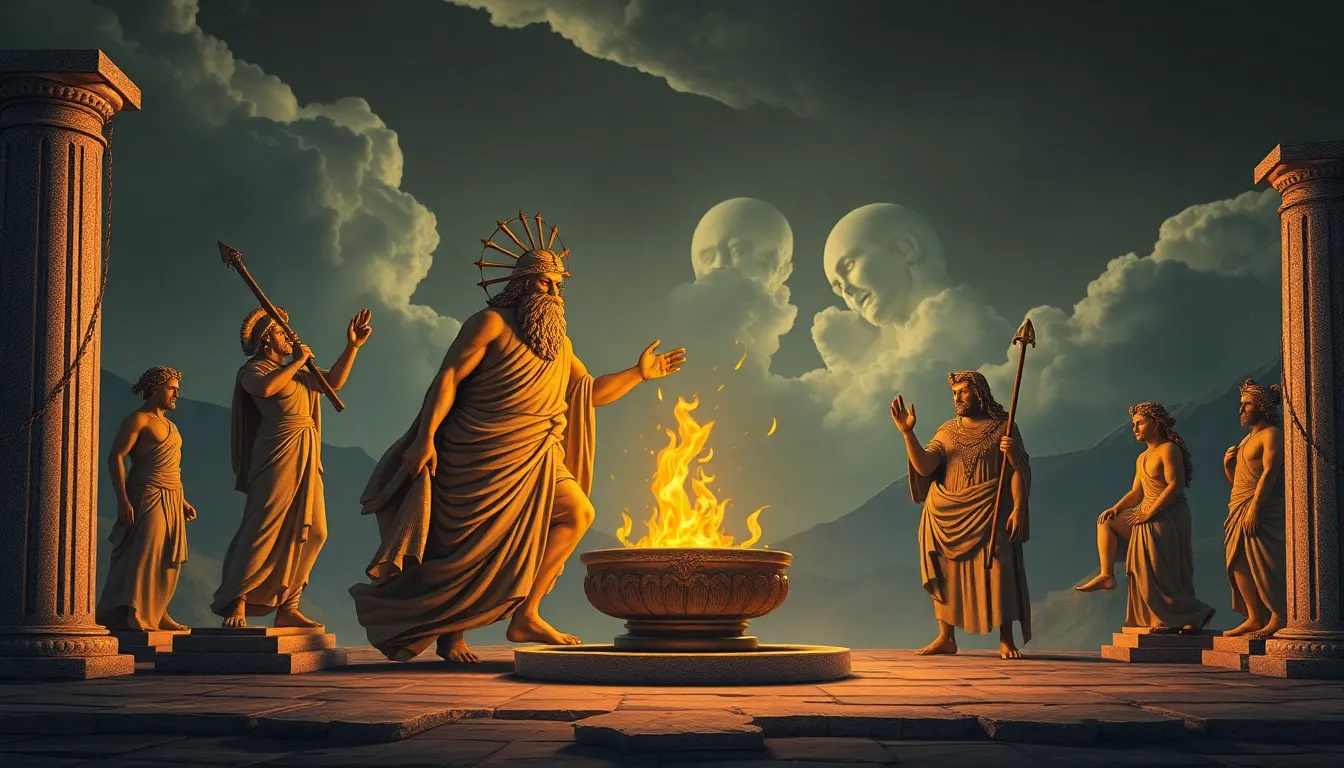
The Power of Sacrifice: How Offerings Influenced Greek Deities
I. Introduction
In ancient Greek religion, sacrifice held a central role in the relationship between humans and the divine. Defined as the act of offering something valuable to the gods, sacrifices were a means of communication, gratitude, and appeasement. These rituals were not only a demonstration of faith but also a method to seek favor or avert wrath from the deities.
The importance of offerings in ancient Greece cannot be overstated; they were integral to religious practice and societal norms. In this article, we will explore the historical context of sacrificial practices, the different types of sacrifices, their theological significance, notable myths featuring sacrifices, and the broader role of sacrifice in community life.
II. Historical Context of Sacrifice in Ancient Greece
The origins of sacrificial practices in ancient Greece can be traced back to the earliest forms of Greek society. Archaeological evidence suggests that sacrificial rituals were present in the Mycenaean period (c. 1600–1100 BCE), where offerings were made to deities in sacred spaces.
As Greek civilization evolved, so too did the complexity and variety of sacrificial rituals. Different city-states developed their unique practices influenced by local traditions, geography, and the specific deities they worshipped. For example:
- Athens: Known for its grand festivals such as the Panathenaea, where large-scale animal sacrifices were performed.
- Sparta: Focused on communal sacrifices that emphasized military prowess and societal cohesion.
- Cretan practices: Featured unique rituals that incorporated the natural landscape and local mythology.
Key historical events, such as the introduction of democracy in Athens, also shaped sacrificial traditions. The public nature of sacrifices during festivals became a means of uniting citizens and reinforcing civic identity.
III. Types of Sacrifices and Offerings
In ancient Greece, sacrifices came in various forms, each with its significance and ritual practices. The three primary types of sacrifices included:
A. Animal sacrifices: significance and common practices
Animal sacrifices were perhaps the most common form of offering, involving the ritual slaughter of animals such as sheep, goats, and bulls. These sacrifices were believed to provide sustenance for the gods and were often accompanied by elaborate ceremonies. Key aspects included:
- Selection of the animal: The animal was typically chosen for its purity and health, symbolizing the best of what the worshipper had to offer.
- Ritual preparation: The act of preparing the animal involved prayers and invocations to the deity being honored.
- Feasting: After the sacrifice, the meat was often shared among the community, reinforcing social bonds.
B. Offerings of food, wine, and other goods
In addition to animal sacrifices, Greeks offered food, wine, incense, and other items to their gods. These offerings were seen as tokens of respect and gratitude. Common practices included:
- Libations: Pouring wine or oil on the ground or altar as a form of offering.
- Food offerings: Fruits, grains, and baked goods presented on altars.
- Votive offerings: Objects such as figurines or jewelry dedicated to deities in hopes of receiving blessings.
C. Symbolic and non-material offerings: prayers and hymns
Not all offerings were material; many Greeks believed that prayers, hymns, and poetry were equally significant. These offerings served to:
- Express devotion: Articulating love and reverence for the gods.
- Request favors: Seeking assistance in times of need or crisis.
- Celebrate festivals: Commemorating important events in the religious calendar.
IV. Theological Significance of Sacrificial Offerings
Sacrificial offerings were deeply intertwined with the theological beliefs of the ancient Greeks. The relationship between humans and deities was often viewed through the lens of reciprocity. This concept encompassed several key ideas:
A. How sacrifices were believed to influence the gods
Greeks believed that sacrifices could sway the will of the gods. By offering something of value, worshippers sought to:
- Gain favor: Sacrifices were a way to ensure that the gods looked favorably upon them.
- Influence outcomes: Whether in battle or personal endeavors, sacrifices were believed to alter the course of events.
B. The concept of reciprocity between humans and deities
Reciprocity was fundamental in ancient Greek religion. It established a mutual relationship where:
- Humans offered sacrifices: In return for blessings, protection, or guidance.
- Gods responded: By granting favors or intervening in human affairs.
C. The role of sacrifice in appeasing angry deities or seeking favor
When the gods were perceived as angry or neglectful, sacrifices were often employed as a means to appease them. This practice reflected:
- Fear of divine retribution: Believers sought to avoid calamity or misfortune.
- Desire for restoration: Sacrifices were a way to restore balance and favor in the relationship.
V. Case Studies: Notable Myths and Their Sacrificial Themes
Many Greek myths explore themes of sacrifice, revealing the complexities of human-divine interactions. Here are some notable examples:
A. The sacrifice of Iphigenia and its implications
The myth of Iphigenia centers on her father, Agamemnon, who sacrifices her to appease the goddess Artemis and secure favorable winds for his fleet. This tragic tale illustrates:
- The moral dilemmas of sacrifice.
- The consequences of divine wrath.
B. Prometheus and the gift of fire: a sacrificial narrative
Prometheus defied Zeus by stealing fire from the gods and giving it to humanity. As punishment, he was subjected to eternal torment. This myth reflects:
- The sacrifice of personal freedom for the benefit of mankind.
- The theme of sacrifice leading to conflict between humans and the divine.
C. The myth of Demeter and Persephone: offerings and seasonal cycles
The story of Demeter and Persephone illustrates the cyclical nature of life and death. Demeter’s grief over Persephone’s abduction by Hades leads to the barren winter months. In response, the Greeks made offerings to Demeter to ensure fertility and abundance, highlighting the:
- Seasonal cycles of sacrifice and harvest.
- The deep connection between human agricultural practices and divine favor.
VI. The Role of Sacrifice in Community and Festivals
Sacrifice was not only an individual act but also a communal one, often linked to public festivals that celebrated the gods. These events played a vital role in reinforcing social cohesion:
A. Public vs. private sacrifices: communal versus individual practices
While private sacrifices occurred in households, public sacrifices were grand events that brought communities together. They served to:
- Strengthen communal identity.
- Provide a sense of shared purpose and belonging.
B. Major festivals and their sacrificial rituals
Several major festivals in ancient Greece featured elaborate sacrificial rituals:
- Panathenaea: Celebrated in Athens with a grand procession and sacrifices to Athena.
- Dionysia: A festival honoring Dionysus, featuring dramatic performances and communal sacrifices.
C. The role of sacrifice in reinforcing social cohesion and identity
These communal acts of sacrifice reinforced cultural identities and collective memory, allowing the community to bond over shared beliefs and values.