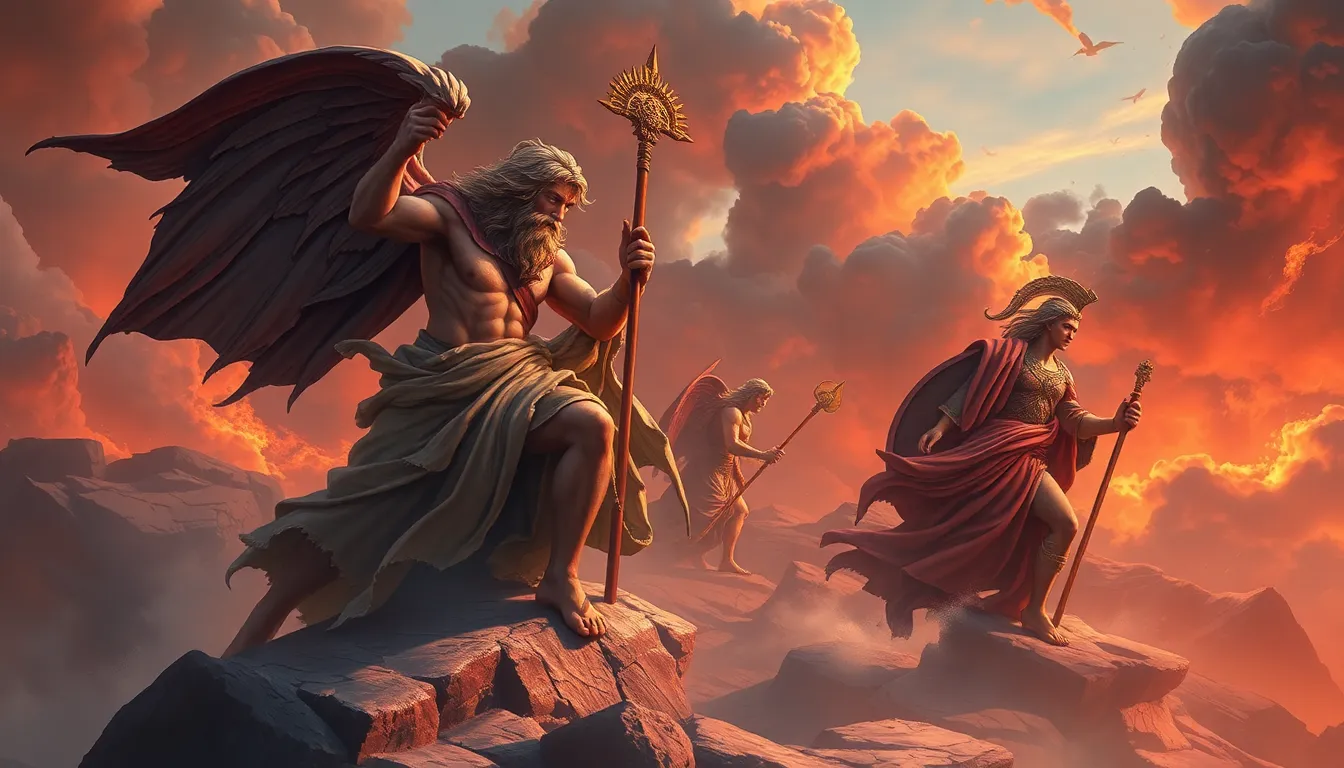
The Myths of Sacrifice: Heroes Who Gave Everything for Glory
I. Introduction
Sacrifice is often viewed as a cornerstone of heroism, where individuals give their lives or well-being for a greater cause. In the context of heroism, sacrifice can encompass a range of actions from risking one’s life in battle to dedicating oneself to a noble cause that benefits others. Throughout history and mythology, tales of heroes sacrificing themselves for glory and honor abound, shaping our understanding of what it means to be heroic.
This article aims to explore and debunk common myths surrounding heroic sacrifices. By examining these myths, we can better understand the complexities of heroism and the diverse ways individuals can contribute to society.
II. The Archetype of the Heroic Sacrifice
The archetype of the heroic sacrifice has deep roots in mythology and literature. From ancient tales of gods and demigods to modern folklore, characters who sacrifice themselves for others often emerge as the most celebrated figures in their narratives.
- Historical Examples:
- Prometheus: In Greek mythology, Prometheus defied Zeus by stealing fire and giving it to humanity, enduring eternal punishment as a result.
- Socrates: The philosopher chose death over renouncing his beliefs, embodying the ideal of sacrificing oneself for truth and virtue.
- Achilles: In Homer’s “Iliad,” Achilles is faced with a choice between a long life without fame or a short life filled with glory, ultimately choosing the latter.
These archetypes resonate through contemporary culture, where heroic sacrifices are often romanticized in movies, books, and other media. The emotional appeal of sacrifice evokes feelings of admiration and respect, significantly impacting society’s perception of heroism.
III. Myth 1: Sacrifice Equals Glory
One prevalent belief is that sacrifice automatically leads to recognition and honor. This myth suggests that any act of sacrifice will be rewarded with fame or a place in history. However, this is not always the case.
- Case Studies:
- Many soldiers have made the ultimate sacrifice in battle, yet their stories remain untold and forgotten.
- Everyday heroes, such as first responders, often risk their lives without receiving significant acknowledgment or accolades.
The distinction between personal fulfillment and societal acknowledgment is crucial. While a hero may find meaning in their sacrifice, society may not always recognize or honor their contributions. This disparity can lead to a sense of isolation and unfulfilled expectations among those who sacrifice for others.
IV. Myth 2: The Noble Sacrifice is Always Selfless
The notion that all sacrifices are selfless oversimplifies the complex motives behind such actions. Heroes are often portrayed as purely altruistic, but their motivations can be multifaceted.
- Complex Motives:
- Some heroes may seek personal redemption through their sacrifices, acting out of guilt or a desire for forgiveness.
- In other instances, individuals may sacrifice themselves to protect loved ones, intertwining personal emotions with their heroic acts.
The role of context is also vital in interpreting acts of sacrifice. What may appear as a noble sacrifice could be influenced by personal desires, cultural expectations, or societal pressures. Understanding these contexts helps to reveal the nuanced nature of heroism.
V. Myth 3: The Ultimate Sacrifice is the Only Path to Heroism
Many narratives suggest that the ultimate sacrifice—often the loss of life—is the sole path to achieving hero status. This myth disregards the various forms of heroism that exist, which do not involve sacrificing one’s life.
- Alternative Forms of Heroism:
- Activists who dedicate their lives to social justice without sacrificing their lives.
- Healthcare professionals who save lives daily, often under challenging circumstances, but do not face death themselves.
- Teachers and mentors who inspire and uplift the next generation, contributing to society in profound ways.
Recognizing the diverse expressions of heroism allows us to appreciate contributions that may not fit the traditional mold of sacrifice. It emphasizes that heroic acts can come in many forms and that courage is not solely defined by the ultimate sacrifice.
VI. The Psychological Impact of Sacrifice on Heroes
The mental and emotional toll on individuals who sacrifice for others can be significant. Many heroes experience a range of psychological consequences from their acts of sacrifice, which can lead to profound struggles in their personal lives.
- Post-Traumatic Stress Disorder (PTSD): Many veterans and first responders suffer from PTSD due to their experiences in life-threatening situations.
- Survivor’s Guilt: Individuals who survive after witnessing the sacrifice of others often grapple with feelings of guilt and questioning why they were spared.
It is essential to create support systems that address the aftermath of sacrifice. Mental health resources, community support, and open discussions about the psychological impacts can help those who have sacrificed for others cope with their challenges and heal.
VII. The Cultural Narratives Surrounding Sacrifice
Different cultures view and celebrate sacrifice in varied ways, shaping our collective understanding of heroism. In some societies, sacrifices are revered and honored, while in others, they may be viewed with skepticism or as a tragic necessity.
- The Influence of Media:
- Films and literature often glorify sacrifice, creating a narrative that can overshadow the nuanced realities behind such acts.
- Heroic figures in media are frequently portrayed as selfless martyrs, which can skew public perception of what heroism truly entails.
While celebrating sacrifice can foster admiration for heroes, there is a potential danger in glorifying these acts without critical examination. It is vital to recognize the complexities and consequences of sacrifice to foster a more balanced understanding of heroism.
VIII. Conclusion
In exploring the myths of sacrifice, we see their implications on our understanding of heroism. The belief that sacrifice equals glory, that noble sacrifices are always selfless, and that the ultimate sacrifice is the only path to heroism are myths that can distort our perception of what it means to be a hero.
It is crucial to cultivate a more nuanced understanding of heroism that honors all forms of contribution—whether they involve sacrifice or not. By recognizing the diverse expressions of heroism, from everyday acts of kindness to significant life-changing contributions, we can appreciate the true essence of what it means to be a hero in our society.
Let us encourage a broader perspective that values all acts of courage and commitment, fostering a culture that honors heroes in all their forms.