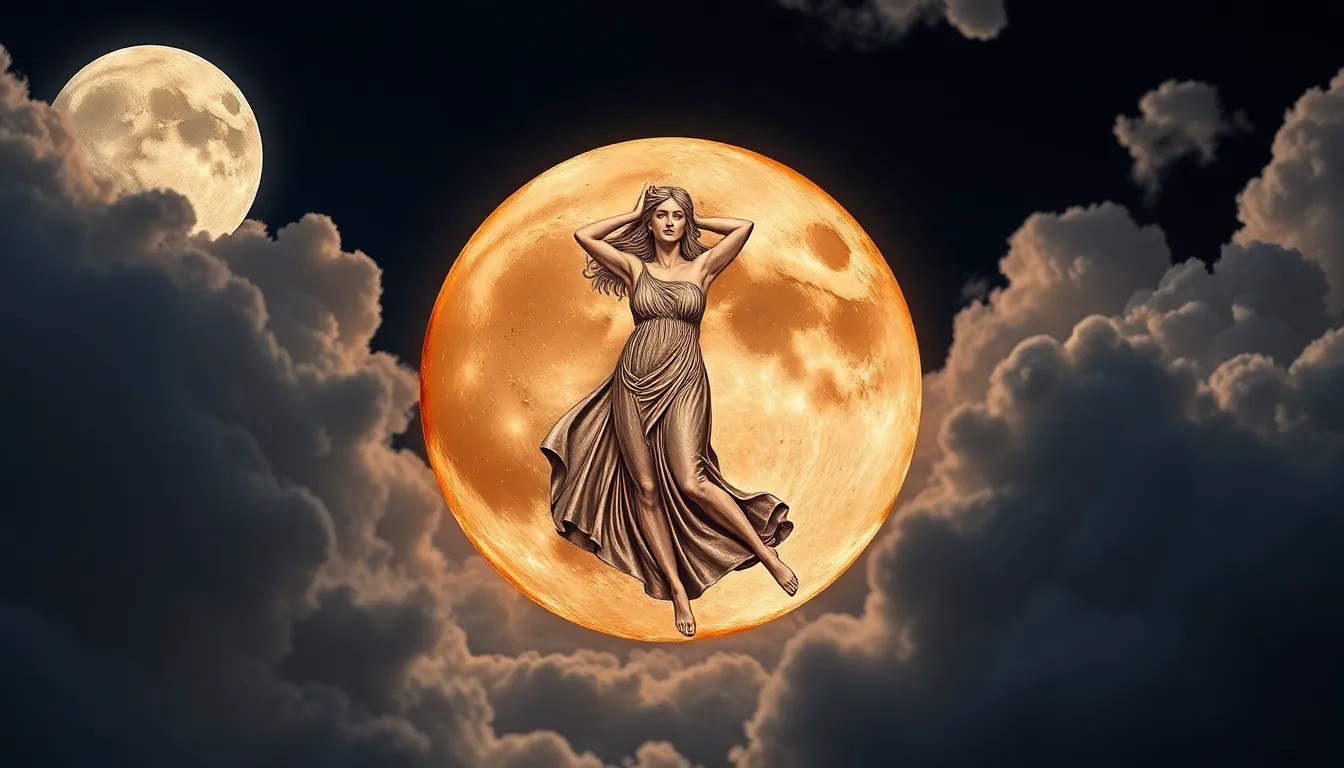
The Symbolism of the Moon in Greek Myths: Femininity and Cycles
I. Introduction
The moon has captivated human imagination across cultures and ages, often symbolizing various aspects of life, such as time, femininity, and nature. In many traditions, the moon is seen as a powerful entity that governs the tides, influences emotions, and marks the passage of time. Greek mythology is no exception, offering a rich tapestry of stories and symbols that connect the moon to the feminine divine.
This article will delve into the symbolism of the moon within Greek myths, particularly its associations with femininity and the cyclical nature of existence. By exploring the roles of lunar goddesses and their narratives, we can better understand the profound impact the moon has on cultural perceptions of gender and life cycles.
II. The Moon as a Feminine Archetype
Historically, the moon has been associated with femininity due to its cyclical phases, which mirror the cycles of a woman’s life, such as menstruation, pregnancy, and motherhood. This connection is apparent in various cultures where the moon is often personified as a goddess or feminine figure.
In Greek mythology, several key goddesses embody lunar qualities:
- Selene: The personification of the moon, often depicted driving a chariot across the night sky.
- Artemis: The twin sister of Apollo, associated with the hunt and wilderness, and also linked to the moon.
- Hecate: The goddess of magic and witchcraft, often associated with the dark side of the moon and the mysteries of night.
These goddesses reflect different aspects of femininity, from nurturing and beauty to independence and strength, showcasing the multifaceted nature of the feminine divine in lunar symbolism.
III. Selene: The Moon Goddess
Selene, the Greek goddess of the moon, has a rich mythology that underscores her significance in the pantheon. She is often depicted as a beautiful woman with a crescent moon on her head, riding a chariot pulled by two horses across the night sky.
Her origins trace back to ancient traditions where she is seen as the daughter of the Titans Hyperion and Theia, making her a primordial deity. Selene’s myths often revolve around her romantic relationships, particularly her love for the mortal Endymion. According to myth, Zeus granted Endymion eternal sleep so that Selene could gaze upon him forever, symbolizing the ideal of eternal love and beauty.
This relationship not only highlights Selene’s role as a goddess of love but also emphasizes the theme of longing and the complexities of feminine desire. Selene’s dual role as a goddess of the moon and a symbol of beauty and love illustrates how femininity is intertwined with the lunar cycle, reflecting both nurturing and yearning aspects of womanhood.
IV. Artemis: The Huntress and Lunar Symbolism
Artemis is another prominent goddess associated with the moon, known for her strength, independence, and connection to nature. As a multifaceted deity, she embodies both the huntress and the protector of women and children, often depicted with a bow and arrows.
Artemis represents the duality of the feminine, as she is both nurturing and fierce. Her association with the moon is particularly evident in her role as a goddess of the hunt at night. This connection to nocturnal activities aligns her with the moon’s phases, which can symbolize various aspects of femininity:
- Waxing Moon: Growth, fertility, and new beginnings—reflecting Artemis’s nurturing side.
- Full Moon: Empowerment, strength, and independence—mirroring her fierce nature as a huntress.
- Waning Moon: Reflection, introspection, and the passage of time—echoing the cycles of life and femininity.
The lunar phases resonate with Artemis’s identity, emphasizing her role as a protector and symbol of female empowerment. Her stories often illustrate the balance between nurturing and independence, showcasing the complexities of womanhood in relation to the moon.
V. The Cycles of the Moon: Life, Death, and Rebirth
The lunar cycle is a powerful metaphor for the stages of life, particularly for women. The phases of the moon—new, waxing, full, and waning—parallel the life stages of birth, growth, maturity, and renewal. This cyclical nature is deeply embedded in myths that reflect themes of life, death, and rebirth.
One of the most poignant myths illustrating these cycles is the story of Persephone, the goddess of spring and queen of the underworld. Her journey to the underworld and subsequent return to the surface each year symbolizes the changing seasons:
- Descent: Persephone’s time in the underworld represents winter, a period of dormancy and death.
- Return: Her return to the earth in spring signifies renewal, growth, and the cyclical nature of life.
This myth reflects the moon’s role as a symbol of transformation and renewal, reminding us of the interconnectedness of life’s cycles. The moon, like Persephone, embodies the dual aspects of existence—light and darkness, life and death, hope and despair.
VI. The Influence of the Moon on Nature and Human Behavior
The moon has long been believed to influence nature and human behavior, particularly regarding fertility, agriculture, and emotional well-being. In ancient Greece, the lunar calendar guided agricultural practices, as farmers believed the moon affected planting and harvest cycles.
Cultural beliefs surrounding the moon’s influence extend to its effects on human emotions and behavior, especially among women:
- Fertility: Many cultures, including the Greeks, associated the full moon with heightened fertility, linking it to the menstrual cycle.
- Emotional States: Lunar phases have been thought to impact moods and feelings, leading to concepts like “lunacy” associated with the full moon.
In Greek rituals, the moon played a significant role in ceremonies related to femininity, such as rites of passage for young women and celebrations of fertility. These rituals often invoked lunar goddesses, seeking their blessings for health, prosperity, and protection.
VII. The Legacy of Lunar Symbolism in Contemporary Culture
The influence of Greek mythology and lunar symbolism continues to resonate in contemporary culture. Modern interpretations of the moon often draw upon ancient myths, merging them with contemporary understandings of femininity and cycles.
Art and literature frequently explore themes of lunar femininity, showcasing the moon as a symbol of empowerment, beauty, and transformation. Notable representations include:
- Art: Artists depict lunar themes to express the complexities of womanhood and the beauty of nature.
- Literature: Writers use lunar imagery to explore themes of identity, growth, and the cyclical nature of life.
Moreover, discussions about femininity today often reference the moon as a symbol of empowerment, encouraging women to embrace their cycles and the natural rhythms of life. The ongoing appreciation of lunar symbolism reflects the enduring power of these ancient myths and their relevance in contemporary society.
VIII. Conclusion
In conclusion, the moon holds a profound significance in Greek mythology, serving as a powerful symbol of femininity and the cyclical nature of life. Through the stories of goddesses like Selene and Artemis, we see how lunar symbolism embodies the complexities of womanhood, from nurturing and beauty to independence and strength.
The moon’s cycles mirror the stages of life, illustrating themes of renewal, transformation, and interconnectedness. As we navigate our own lives, the moon continues to inspire and remind us of the enduring power of femininity and the cycles that shape our existence.
Let us continue to explore these ancient myths and their relevance in our lives, celebrating the beauty and strength of the feminine divine that the moon so beautifully represents.