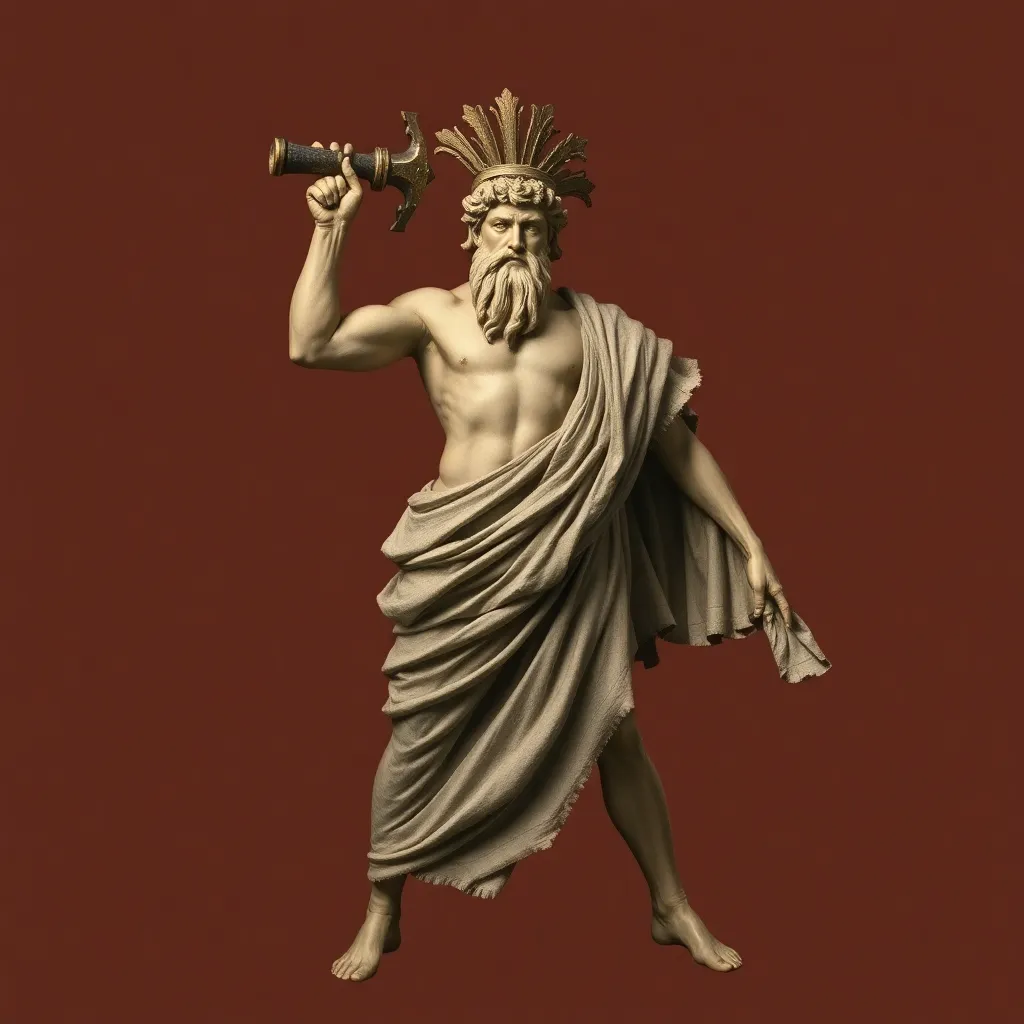
Heracles in Contemporary Literature: A Modern Take on a Classic Hero
I. Introduction
Heracles, known as Hercules in Roman mythology, is one of the most renowned figures in Greek mythology. Celebrated for his immense strength and heroic feats, he embodies the essence of the hero’s journey, overcoming insurmountable challenges and enduring personal struggles. This article aims to explore how Heracles is represented in contemporary literature, examining the evolution of his character and the themes that resonate with modern audiences.
We will delve into the legacy of Heracles, the changing definitions of heroism, key contemporary works, and the critical reception of these narratives. Through this exploration, we will gain insight into the ongoing relevance of this classic hero in today’s literary landscape.
II. The Legacy of Heracles in Ancient Myths
Heracles’ original stories are filled with incredible feats and adventures, most notably the Twelve Labors, which include slaying the Nemean Lion, capturing the Golden Hind of Artemis, and retrieving the three-headed dog Cerberus from the Underworld. These myths illustrate not only his physical strength but also his cunning and determination.
In ancient texts, themes of heroism, struggle, and redemption are prevalent. Heracles often faces insurmountable odds, driven by fate, personal flaws, and divine interference, ultimately leading to his redemption through suffering and sacrifice. His journey is a reflection of the human experience, resonating deeply within the cultural fabric of ancient Greece, where he stood as a cultural icon symbolizing bravery, strength, and moral fortitude.
III. The Evolution of Heroism in Modern Literature
In contemporary society, the definition of heroism has evolved significantly. Unlike the straightforward bravado of ancient heroes, modern heroism often encompasses a broader spectrum of qualities, including vulnerability, moral ambiguity, and emotional depth.
The portrayal of heroes in modern literature is heavily influenced by historical context. As societal values shift, so too do the characteristics that define a hero. While ancient heroes like Heracles were often depicted in a binary sense of good versus evil, modern heroes frequently navigate complex moral landscapes.
- Ancient Hero Archetypes:
- Physical strength
- Clear moral compass
- Divine favor
- Modern Hero Archetypes:
- Emotional depth
- Internal conflicts
- Social responsibility
IV. Reimagining Heracles: Key Contemporary Works
Numerous literary works have reimagined Heracles, each providing a unique perspective on his character. Some significant contemporary adaptations include:
- “The Song of Achilles” by Madeline Miller – While focused on Achilles, this novel also explores themes of heroism and honor, paralleling Heracles’ narrative.
- “Hercules” by David K. Johnson – A retelling that delves into the psychological aspects of Heracles’ journey.
- “The Twelve Labors of Heracles” in various graphic novels – Modern interpretations that utilize visual storytelling to depict his feats.
These adaptations span various genres, including novels, poetry, and graphic novels, showcasing the versatility of Heracles as a character and the relevance of his story across different literary forms.
V. Themes and Motifs in Modern Interpretations of Heracles
Modern interpretations of Heracles often highlight several key themes and motifs that resonate with contemporary audiences:
- The complexities of masculinity and vulnerability: Heracles is often depicted grappling with his identity, showcasing a blend of strength and emotional depth.
- Environmental and ethical dilemmas: Modern adaptations may frame his labors in the context of contemporary issues, such as environmental conservation and ethical decision-making.
- Mental health and personal struggles: Contemporary narratives frequently explore Heracles’ internal battles, addressing themes of trauma, depression, and the quest for identity.
VI. Heracles as a Symbol of Resilience and Identity
In recent literature, Heracles has emerged as a symbol of resilience, often representing the immigrant experience and the challenges faced by those marginalized in society. His struggles and triumphs serve as a metaphor for personal growth, highlighting the journey of overcoming adversity.
Moreover, Heracles’ story connects with contemporary social issues and movements, resonating with themes of justice, equality, and the fight against oppression. His character embodies the tenacity required to confront societal challenges, making him a relatable figure for many readers.
VII. Critical Reception of Heracles in Contemporary Literature
The critical reception of Heracles in contemporary literature has been varied. Scholars have analyzed his representations, often highlighting the shift from traditional heroism to a more nuanced portrayal that reflects modern values.
Readers’ responses to these modern interpretations have been overwhelmingly positive, with many praising the depth and relatability of Heracles as a character. The ongoing discussions surrounding his character contribute to a broader discourse on modern heroism, prompting reflections on what it means to be a hero in today’s world.
VIII. Conclusion
In conclusion, Heracles remains a relevant and powerful figure in contemporary literature. His journey from ancient myths to modern narratives illustrates the evolving nature of heroism and the complexities of the human experience. As we continue to revisit and reinterpret classic heroes, Heracles stands as a testament to the enduring legacy of mythology in shaping our understanding of identity, resilience, and the hero’s journey.
The importance of revisiting figures like Heracles lies in their ability to inspire and challenge us, prompting critical reflection on our values and the narratives we construct in our ever-changing world.