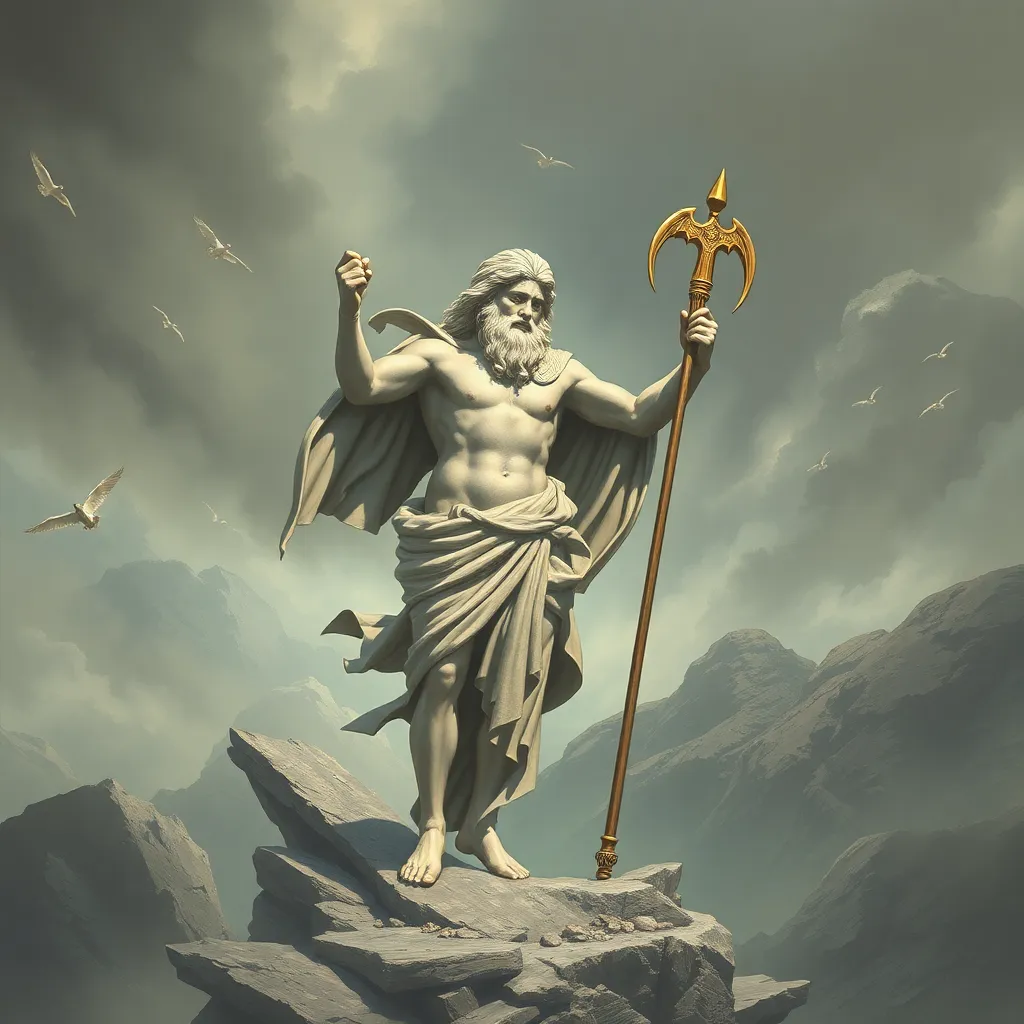
Theseus and the Nature of Heroism: A Philosophical Inquiry
I. Introduction
Theseus, one of the most celebrated heroes of Greek mythology, embodies the complexity of heroism. From his encounters with mythical creatures to his role as a unifier of city-states, Theseus serves as a vital figure through which we can explore the concept of heroism. This article aims to dissect the nature of heroism as represented by Theseus, examining his adventures, ethical dilemmas, and societal impact.
By studying Theseus, we not only delve into the rich tapestry of Greek mythology but also engage with broader philosophical questions about the nature of heroism itself. This inquiry will illuminate how Theseus’ life reflects the ideals and challenges of heroism, while also prompting us to reflect on our understanding of what it means to be a hero.
II. The Myth of Theseus
The myths surrounding Theseus are numerous and diverse, each illustrating different facets of his character and heroism.
A. Key narratives and adventures of Theseus
- The Minotaur and the Labyrinth: One of the most famous tales involves Theseus’ journey to Crete to confront the Minotaur, a monstrous half-man, half-bull creature. With the help of Ariadne, he navigates the labyrinth and ultimately slays the beast, showcasing both bravery and cleverness.
- The Journey to Athens and the Unification of Attica: Theseus is credited with the unification of the various tribes and regions of Attica into a single political entity, Athens. His journey to Athens symbolizes the transition from chaos to order, emphasizing his role as a leader.
- The Quest for the Golden Fleece: While not as central as his other adventures, Theseus’ involvement in the quest for the Golden Fleece alongside other heroes illustrates his status within the heroic pantheon and further cements his legacy.
B. Theseus as a cultural symbol in ancient Greece
Theseus emerged as a cultural symbol of Athenian identity and democracy. His stories were celebrated in festivals, and he was often depicted in art as an ideal hero who embodied the values of courage, intelligence, and civic responsibility.
III. Defining Heroism
To fully understand Theseus as a hero, we must first define heroism itself.
A. Historical perspectives on heroism
Throughout history, heroism has been viewed through various lenses—mythological, literary, and philosophical. In ancient times, heroes were often seen as demi-gods or extraordinary individuals who performed feats beyond the reach of ordinary people.
B. Characteristics of the archetypal hero
- Exceptional strength or skill
- Bravery in the face of danger
- A quest for a noble cause
- Leadership qualities
- Moral integrity and ethical reasoning
C. The distinction between heroism and mere bravery
While bravery is a key component of heroism, true heroism often involves a deeper moral or ethical dimension. A hero not only faces danger but also makes choices that reflect a commitment to the greater good.
IV. Theseus as a Philosophical Hero
Theseus’ adventures also invite philosophical inquiry into his actions and decisions.
A. The role of choice and agency in Theseus’ actions
Theseus exemplifies the power of choice. His decision to confront the Minotaur, for example, reflects a conscious choice to face danger for the sake of others. This highlights the importance of agency in defining what it means to be a hero.
B. Theseus’ moral dilemmas and ethical reasoning
Throughout his journey, Theseus encounters moral dilemmas that test his ethical reasoning. For instance, his abandonment of Ariadne raises questions about loyalty and responsibility. Such dilemmas complicate his heroic narrative, emphasizing that heroism is not always clear-cut.
C. The impact of his decisions on his identity and legacy
Theseus’ choices shape not only his identity but also his legacy. His actions resonate through time, prompting reflection on the consequences of heroism and the responsibilities that come with it.
V. The Nature of Sacrifice in Heroism
Another crucial aspect of heroism is sacrifice, a theme that permeates Theseus’ story.
A. Theseus’ sacrifices for others and the greater good
Theseus often places the needs of others above his own, as seen in his willingness to enter the labyrinth to save the Athenian youths. This selflessness is a defining trait of his heroism.
B. The concept of self-sacrifice versus selfish heroism
While some heroes act for personal glory, Theseus’ actions often reflect a genuine desire to benefit his community. This distinction is vital in the philosophical discourse surrounding heroism.
C. Philosophical implications of sacrifice in defining heroism
The concept of sacrifice prompts deeper questions about what it means to be heroic. Is heroism defined by grand actions, or is it the willingness to sacrifice oneself for others that truly embodies the heroic ideal?
VI. The Role of Community and Leadership
Theseus’ journey is also one of leadership and community building.
A. Theseus as a unifier and leader of Athens
Theseus’ role in unifying Attica demonstrates that heroism extends beyond individual feats. His leadership fosters a sense of community and shared identity among the Athenians.
B. The relationship between heroism and civic duty
Theseus exemplifies the idea that true heroism involves a commitment to civic duty. His adventures often serve the greater good of his city-state, reflecting the interconnectedness of heroism and community service.
C. The influence of societal expectations on heroic actions
The societal expectations placed upon Theseus shape his actions and decisions. These expectations underscore the importance of context in understanding heroism.
VII. Critiques of Theseus and the Heroic Ideal
No hero is without flaws, and Theseus is no exception.
A. Flaws and failures of Theseus as a hero
Theseus’ story is marked by mistakes and ethical failures, such as his treatment of Ariadne and the consequences of his decisions. These flaws prompt a re-evaluation of the heroic ideal.
B. Alternative views on heroism in literature and philosophy
Other literary and philosophical perspectives challenge traditional notions of heroism, suggesting that true heroism may lie in humility, compassion, and the recognition of one’s limitations.
C. The relevance of Theseus’ story in contemporary discussions on heroism
Theseus’ narrative continues to resonate today, as discussions on heroism evolve to include themes of ethics, accountability, and the impact of one’s actions on society.
VIII. Conclusion
In summary, Theseus serves as a powerful lens through which we can explore the nature of heroism. His adventures, moral dilemmas, and leadership qualities illuminate the complexities of being a hero in a nuanced world.
The lasting legacy of Theseus in modern philosophical thought invites ongoing reflection on the nature of heroism in human experience. As we consider the stories of heroes, both ancient and contemporary, we are reminded that the essence of heroism often lies not in extraordinary feats, but in the choices we make and the sacrifices we embrace for the greater good.