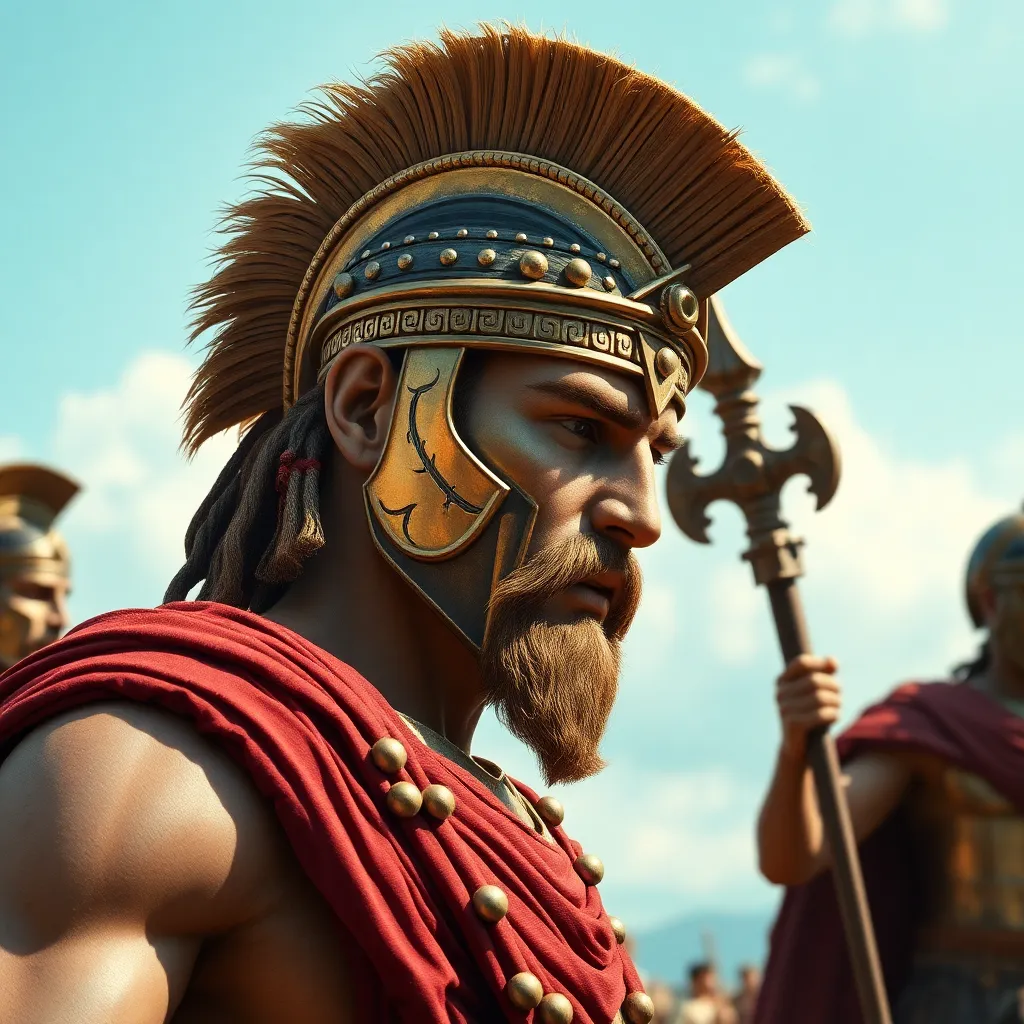
The Trojan War: Analyzing the Concept of Honor Among Warriors
I. Introduction
The Trojan War stands as one of the most famous conflicts in Greek mythology, encapsulating themes of heroism, love, and betrayal. It is a tale that has captivated audiences for millennia, not only for its dramatic narrative but also for the profound explorations of honor that permeate the stories of its warriors. Honor was paramount in ancient warrior societies; it defined one’s reputation, social standing, and even fate. This article aims to delve into the concept of honor among warriors during the Trojan War, analyzing how it influenced their actions, decisions, and the overarching narrative of the conflict.
II. Historical Context of the Trojan War
The Trojan War is said to have been sparked by the abduction of Helen, the wife of Menelaus, by Paris, a prince of Troy. This event set off a chain reaction of alliances and betrayals among the Greek city-states, leading to a massive coalition against Troy. Key figures included:
- Achilles: The greatest Greek warrior, known for his unmatched prowess in battle.
- Hector: The noble Trojan prince and defender of Troy.
- Odysseus: The cunning strategist who played a key role in the war.
- Agamemnon: The leader of the Greek forces and brother of Menelaus.
In both Greek and Trojan societies, honor was a cultural cornerstone. It dictated social interactions and shaped the identities of individuals. Warriors were expected to uphold their honor not only for personal gain but also for the glory of their city and comrades.
III. The Ideals of Honor in Ancient Warfare
In the context of the Trojan War, honor can be defined as a warrior’s reputation, dignity, and the esteem in which they are held by their peers. It was intimately tied to valor—the courage and bravery shown in battle. The relationship between honor and valor is complex; while valor could enhance one’s honor, it was equally possible to lose honor through cowardice or failure.
There exists a contrast between individual honor and collective honor. Individual honor focused on personal achievements and glory, while collective honor pertained to the reputation of one’s community or army. Warriors often struggled to balance these two aspects, leading to tension and conflict.
IV. Honor and Personal Motivation
Key characters in the Trojan War illustrate how personal honor influenced decisions and actions. For instance:
- Achilles: His wrath and withdrawal from battle stemmed from a perceived slight to his honor by Agamemnon. This decision had dire consequences for the Greek forces.
- Hector: As the defender of Troy, Hector fought not only for his city but also to uphold his family’s honor, ultimately leading to his tragic fate at the hands of Achilles.
The consequences of honor-based motivations were often severe. Achieving honor through valor could lead to glory and a heroic legacy, but failure or perceived dishonor could result in disgrace and a tarnished reputation, affecting not only the warrior but also their community.
V. The Role of Honor in Warfare Ethics
Honor in the context of the Trojan War also encompassed ethical considerations surrounding bravery, loyalty, and betrayal. Warriors were expected to exhibit bravery and loyalty to their comrades, and those who betrayed their allies faced severe consequences. Honor was a driving force behind warfare strategies, as warriors sought to protect their honor while simultaneously attacking their enemies.
The impact of dishonor was profound, leading to social ostracism and loss of status. Warriors who were perceived as cowardly or treacherous could become pariahs within their own communities, illustrating the high stakes associated with honor.
VI. The Intersection of Honor and Fate
The role of the gods in determining honor adds another layer of complexity to the concept. Many warriors believed that their fates were intertwined with the whims of the gods, who could bestow honor or disgrace at will. This led to a tension between personal choice and predestined outcomes, as heroes struggled to achieve honor while navigating the uncertain paths laid out for them by divine forces.
In many narratives, this tension complicates the concept of honor. For instance, Achilles, despite his extraordinary skills and desire for glory, was fated to die young, raising questions about the nature of honor in a world governed by fate.
VII. Legacy of Honor from the Trojan War
The ideals of honor established during the Trojan War have had a lasting influence on later literary works and historical narratives. Epic poems like the “Iliad” and “Odyssey” have shaped our understanding of warrior ethics and the significance of honor in conflict.
Moreover, the legacy of honor continues to resonate in modern military traditions, where concepts of bravery, loyalty, and sacrifice remain central to the identity of soldiers. The honor associated with service and sacrifice evokes the same sentiments that warriors felt during the Trojan War.
These themes are relevant in contemporary discussions of honor and conflict, as societies grapple with the implications of warfare, loyalty, and individual versus collective responsibility.
VIII. Conclusion
In summary, the exploration of honor among warriors during the Trojan War reveals deep insights into the values and motivations that shaped ancient societies. The legacy of honor continues to inform our understanding of conflict and ethics today, highlighting the enduring significance of these themes throughout history.
The Trojan War serves as a powerful reminder of how honor can drive individuals to greatness, as well as lead to tragic consequences. As we reflect on these narratives, we gain a greater appreciation for the complexities of honor in both historical and modern contexts.