Achilles’ Influence on Modern Hero Archetypes
I. Introduction
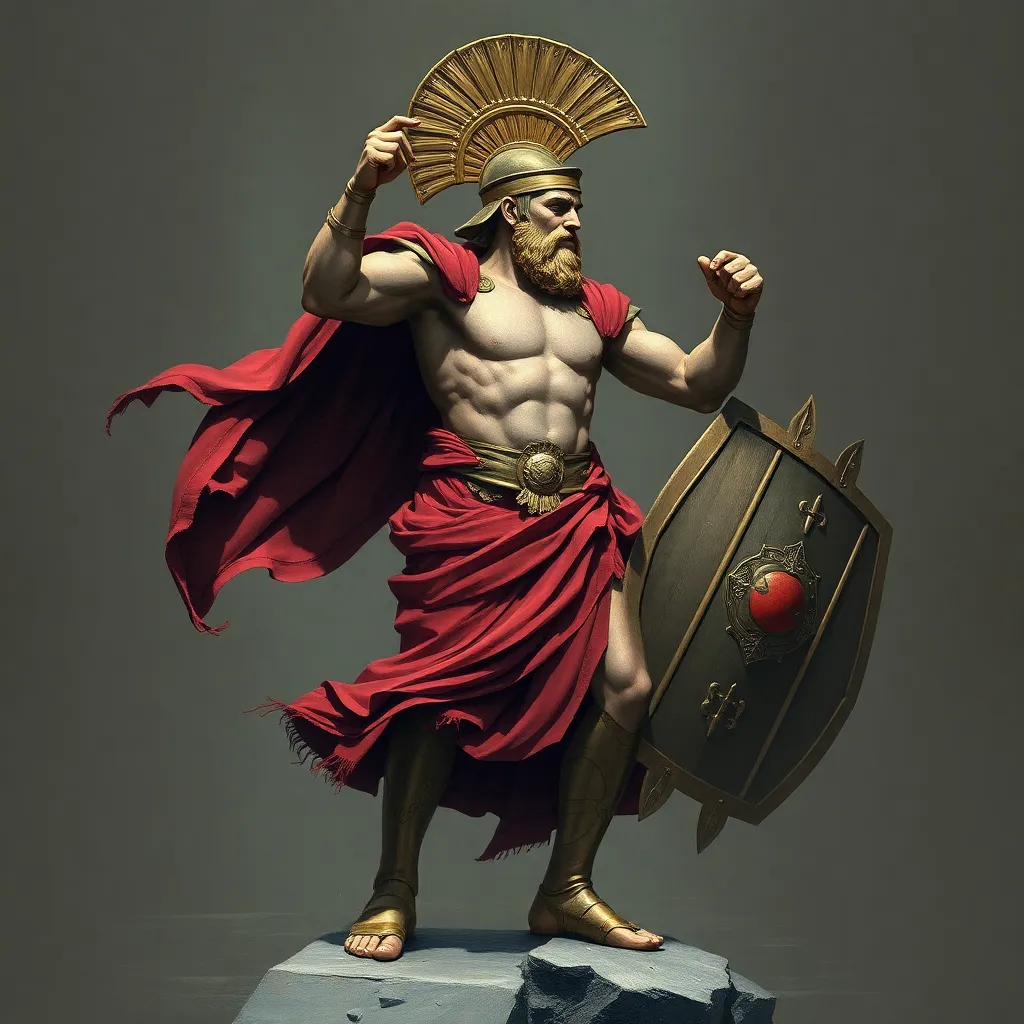
Achilles is one of the most renowned figures in Greek mythology, celebrated as a formidable warrior with unmatched prowess on the battlefield. His story, primarily chronicled in Homer’s “Iliad,” portrays themes of heroism, honor, and tragedy. As a central character in the epic tales of ancient Greece, Achilles embodies the complexities of the heroic ideal, making him a lasting symbol in literature and culture.
Hero archetypes play a crucial role in storytelling, shaping narratives and influencing how characters are perceived across various genres. From classic literature to contemporary films, heroes often reflect the values and struggles of their time. This article aims to explore Achilles’ profound influence on modern hero archetypes, examining how his traits and narrative have shaped our understanding of heroism today.
II. The Legend of Achilles
Achilles is characterized by several key traits that define him as a hero:
- Bravery: Achilles is renowned for his courage in battle, often leading the charge against the Trojans.
- Strength: He possesses extraordinary physical abilities, making him nearly invincible.
- Flawed Humanity: Despite his strengths, Achilles is deeply flawed, grappling with emotions such as rage, pride, and vulnerability.
The concept of the tragic hero is essential to understanding Achilles. He is not merely a symbol of strength; his narrative is steeped in tragedy, culminating in his untimely death and the sorrow that follows. Achilles’ role in the Trojan War is pivotal, as his actions and decisions significantly impact the course of the conflict. His legacy endures through the ages, serving as a template for heroes who face both external battles and internal struggles.
III. Defining Hero Archetypes
Hero archetypes are foundational patterns in literature that define the roles and traits of heroes. These archetypes serve as blueprints for character development and plot progression. Common archetypes include:
- The Tragic Hero: A character who experiences downfall due to a personal flaw or fate.
- The Anti-Hero: A protagonist who lacks conventional heroic qualities, often exhibiting morally ambiguous traits.
- The Reluctant Hero: A character who is hesitant to accept their destined role but ultimately rises to the occasion.
These archetypes are vital in storytelling, as they resonate with audiences and reflect the complexities of human experience. They provide a framework through which we can analyze characters and their journeys, making the stories relatable and engaging.
IV. Parallels Between Achilles and Modern Heroes
Achilles shares numerous traits with contemporary heroes, demonstrating the timelessness of his character:
- Physical Prowess: Much like modern superheroes, Achilles is defined by his incredible strength and combat skills.
- Emotional Depth: His struggles with pride and rage mirror the vulnerabilities seen in many modern heroes.
- Complex Morality: Achilles’ decisions often blur the lines between right and wrong, a common theme in today’s narratives.
Examples of modern characters influenced by Achilles include:
- Superheroes: Characters like Superman and Batman exhibit similar physical and emotional complexities.
- Anti-Heroes: Figures such as Deadpool and Wolverine reflect the flawed humanity that Achilles embodies.
The concept of vulnerability and mortality in heroes is a significant aspect of Achilles’ legacy. His eventual downfall highlights the fragility of even the greatest warriors, a theme that resonates deeply with modern audiences.
V. Achilles’ Influence on the Anti-Hero Archetype
Achilles can be seen as a quintessential flawed hero. His actions, driven by personal desires and emotions, often lead to catastrophic consequences. This exploration of Achilles’ character has had a profound impact on the development of modern anti-heroes:
- Complex Motivations: Similar to Achilles, modern anti-heroes often act out of complex motivations, including revenge, love, or even survival.
- Moral Ambiguity: Characters like Walter White from “Breaking Bad” and Tony Soprano from “The Sopranos” showcase the blurred lines of morality that Achilles exemplifies.
Case studies of these anti-heroes reveal how Achilles’ narrative has shaped their development. Walter White, for instance, begins as a sympathetic character whose descent into criminality reflects the tragic elements of Achilles’ story, while Tony Soprano grapples with issues of honor and legacy akin to those faced by Achilles in his quest for glory.
VI. The Role of Honor and Glory
Honor is a prevailing theme in Achilles’ narrative. His desire for glory and recognition drives many of his actions, leading him to make choices that have far-reaching consequences. This theme is echoed in modern storytelling, where heroes often grapple with similar ideas of honor and legacy:
- Honor in Conflict: Modern heroes frequently face moral dilemmas that test their sense of honor.
- The Search for Legacy: Characters strive to be remembered, paralleling Achilles’ quest for eternal glory.
The evolution of the hero’s quest for glory illustrates the changing perceptions of heroism in contemporary narratives, highlighting the continued relevance of Achilles’ story in exploring these themes.
VII. Achilles in Popular Culture
The representation of Achilles in modern media is varied and widespread, reflecting his enduring legacy:
- Films: Movies like “Troy” depict Achilles’ character, showcasing his heroism and tragic flaws.
- Books: Novels such as Madeline Miller’s “The Song of Achilles” offer fresh perspectives on his life and relationships.
- Video Games: Characters inspired by Achilles can be found in games like “God of War,” where themes of vengeance and honor are prevalent.
These representations shape contemporary perceptions of heroism, inviting audiences to reflect on the complexities of what it means to be a hero today.
VIII. Conclusion
Achilles’ lasting impact on modern hero archetypes is undeniable. His story has transcended time, influencing countless characters and narratives across various forms of media. The exploration of his traits, struggles, and the themes of honor and glory continues to resonate with contemporary audiences.
As we reflect on the relevance of ancient heroes like Achilles in today’s narratives, it becomes clear that the evolution of heroism is an ongoing journey. The complexities of the heroic ideal, shaped by figures such as Achilles, will undoubtedly influence future storytelling, continuing to captivate and inspire generations to come.