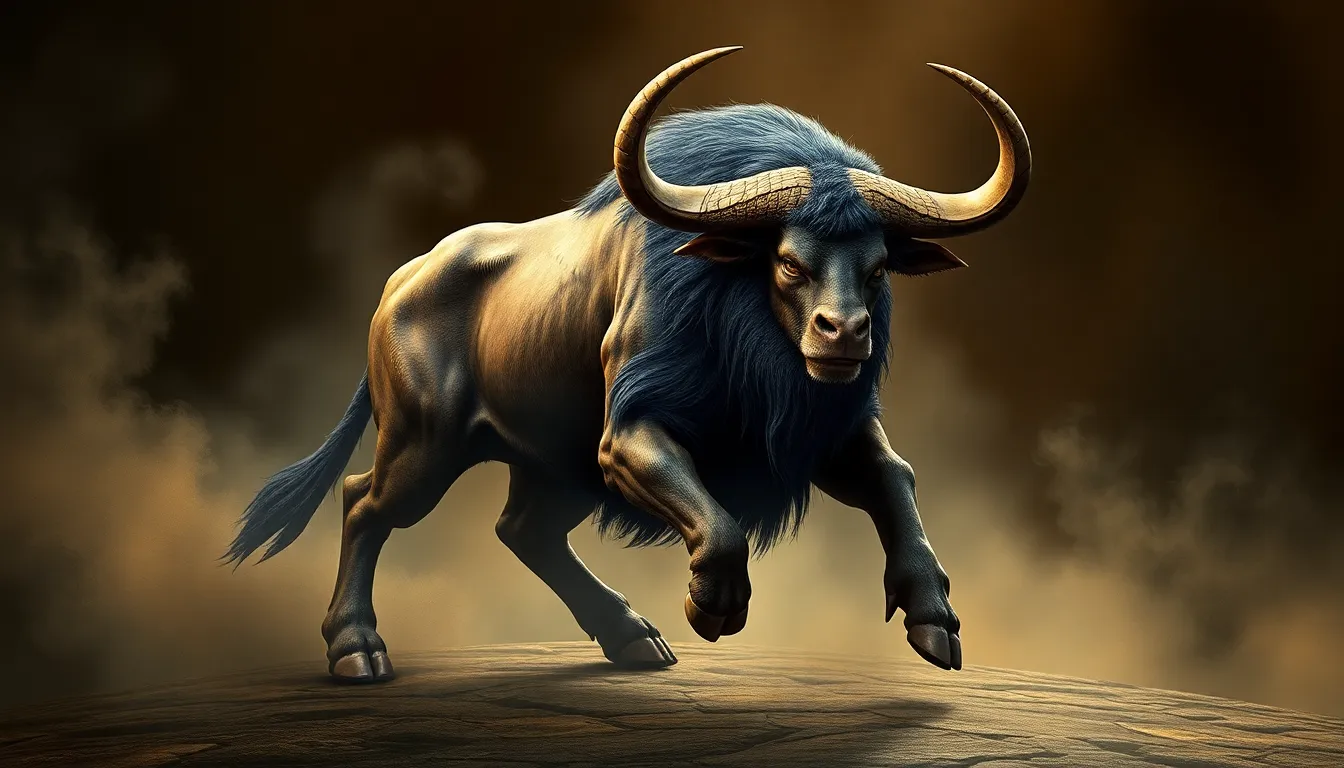
Analyzing the Minotaur’s Characteristics: Beast or Tragic Figure?
I. Introduction
The Minotaur, a creature from Greek mythology with the body of a man and the head of a bull, is one of the most enduring symbols of monstrosity and tragedy. Born from the unnatural union of Pasiphaë and a majestic bull, the Minotaur resides in the labyrinth designed by Daedalus, where it is both feared and misunderstood. This article aims to delve into the Minotaur’s complex characteristics, exploring its dual nature as a beast and a tragic figure.
II. The Mythological Origins of the Minotaur
The origins of the Minotaur are steeped in the rich tapestry of Greek mythology. Its story reflects themes of power, lust, and the consequences of divine retribution.
A. Historical context of the Minotaur in Greek mythology
The Minotaur is part of the myth of King Minos of Crete, illustrating the interplay between gods and humans in ancient narratives. Minos, desiring to demonstrate his divine right to rule, received a beautiful bull from Poseidon, which he was to sacrifice. However, captivated by the bull’s beauty, he chose instead to keep it, angering Poseidon.
B. The story of Pasiphaë and the bull
As punishment for Minos’s disobedience, Poseidon cursed Pasiphaë, Minos’s wife, to fall in love with the bull. This unnatural desire led to the creation of the Minotaur, a monstrous being that was both a product of divine wrath and human folly.
C. The Minotaur’s creation and its implications
The birth of the Minotaur symbolizes the tragic consequences of lust and deception. Locked away in a labyrinth, the creature serves as a reminder of human and divine transgressions, embodying the chaos that follows when natural order is disrupted.
III. The Beastly Nature of the Minotaur
The Minotaur’s characterization as a beast is prominent in its physical appearance and behavior.
A. Physical characteristics and symbolism of the beast
- Hybrid Form: The combination of human and bull traits symbolizes the clash between civilization and primal instincts.
- Intimidating Presence: The Minotaur is often depicted as a massive, powerful creature, representing fear and ferocity.
B. The Minotaur’s ferocity and role as a monster
As a creature of violence, the Minotaur embodies the chaos lurking within humanity. Its insatiable hunger for flesh makes it a terror in the eyes of the Athenians, who are sent to the labyrinth as tributes.
C. The labyrinth: a representation of chaos and entrapment
The labyrinth itself is a crucial aspect of the Minotaur’s story. Designed by Daedalus, it symbolizes entrapment and confusion, mirroring the internal struggles faced by both the Minotaur and those who encounter it.
IV. The Tragic Aspects of the Minotaur’s Existence
Beyond its beastly exterior, the Minotaur’s existence is steeped in tragedy.
A. The Minotaur’s isolation and loneliness
Confined to the labyrinth, the Minotaur experiences profound isolation, separated from the world and companionship. This solitude highlights the creature’s tragic nature, evoking sympathy from those who understand its plight.
B. The impact of parental choices and cursed lineage
The Minotaur’s existence is directly tied to the choices made by its parents. Pasiphaë’s cursed love and Minos’s pride lead to the creation of a being that can never find acceptance.
C. The Minotaur as a victim of circumstance
Ultimately, the Minotaur is a victim of its circumstances—cursed from birth and forced to inhabit a labyrinthine prison, it represents the unintended consequences of the actions of others.
V. The Minotaur in Literature and Art
The Minotaur has inspired countless artists and writers throughout history, becoming a symbol of both horror and tragedy.
A. Depictions of the Minotaur in ancient and modern works
From ancient pottery to modern novels, the Minotaur’s image has been explored in various forms. Notably, the creature appears in works such as:
- Ovid’s “Metamorphoses”
- Fritz Lang’s film “Metropolis”
- Modern retellings in novels like “The Silence of the Girls” by Pat Barker
B. Interpretations of the Minotaur’s character in literature
Literary interpretations often focus on the Minotaur’s tragedy, exploring themes of identity and societal rejection.
C. Iconography and artistic representations of the Minotaur
Artistic representations range from terrifying to sympathetic, demonstrating the complexity of the Minotaur’s character. Artists like Pablo Picasso and Auguste Rodin have captured the duality of the Minotaur in their works.
VI. The Minotaur as a Symbol of Human Struggle
The Minotaur’s dual nature resonates with fundamental aspects of human experience.
A. The Minotaur’s duality reflecting human nature
The Minotaur embodies the struggle between humanity and monstrosity, reflecting the inner conflicts that reside within each individual.
B. Themes of identity, monstrosity, and acceptance
Questions of identity arise as the Minotaur struggles to find its place in a world that rejects it. The creature invites reflection on what it means to be monstrous and the nature of acceptance.
C. The Minotaur as a metaphor for inner demons and societal rejection
The Minotaur serves as a metaphor for the inner demons that many face, representing the societal fear of those who are different. Its existence challenges us to confront our own prejudices and fears.
VII. Contemporary Interpretations of the Minotaur
In contemporary culture, the Minotaur remains a relevant figure.
A. The Minotaur in popular culture and media
Modern adaptations in films, literature, and video games showcase the Minotaur’s enduring legacy. Notable examples include:
- The film “Pan’s Labyrinth”
- Neil Gaiman’s “American Gods”
- Video games like “God of War”
B. Modern psychological interpretations of the character
Psychologically, the Minotaur can be viewed as a representation of repressed desires and the struggle for self-acceptance. This lens provides insight into the complexities of personal identity.
C. Relevance of the Minotaur’s story in today’s societal context
In today’s world, the Minotaur’s struggles with acceptance and identity resonate with many who feel marginalized or different, highlighting the importance of empathy and understanding.
VIII. Conclusion
In conclusion, the Minotaur serves as a compelling figure in Greek mythology, embodying both the characteristics of a beast and the poignant aspects of a tragic figure. Its story invites us to reflect on the complexities of identity, acceptance, and the consequences of our actions. Understanding the Minotaur not only enriches our appreciation of mythology but also encourages us to confront the societal issues of prejudice and acceptance in our contemporary lives.