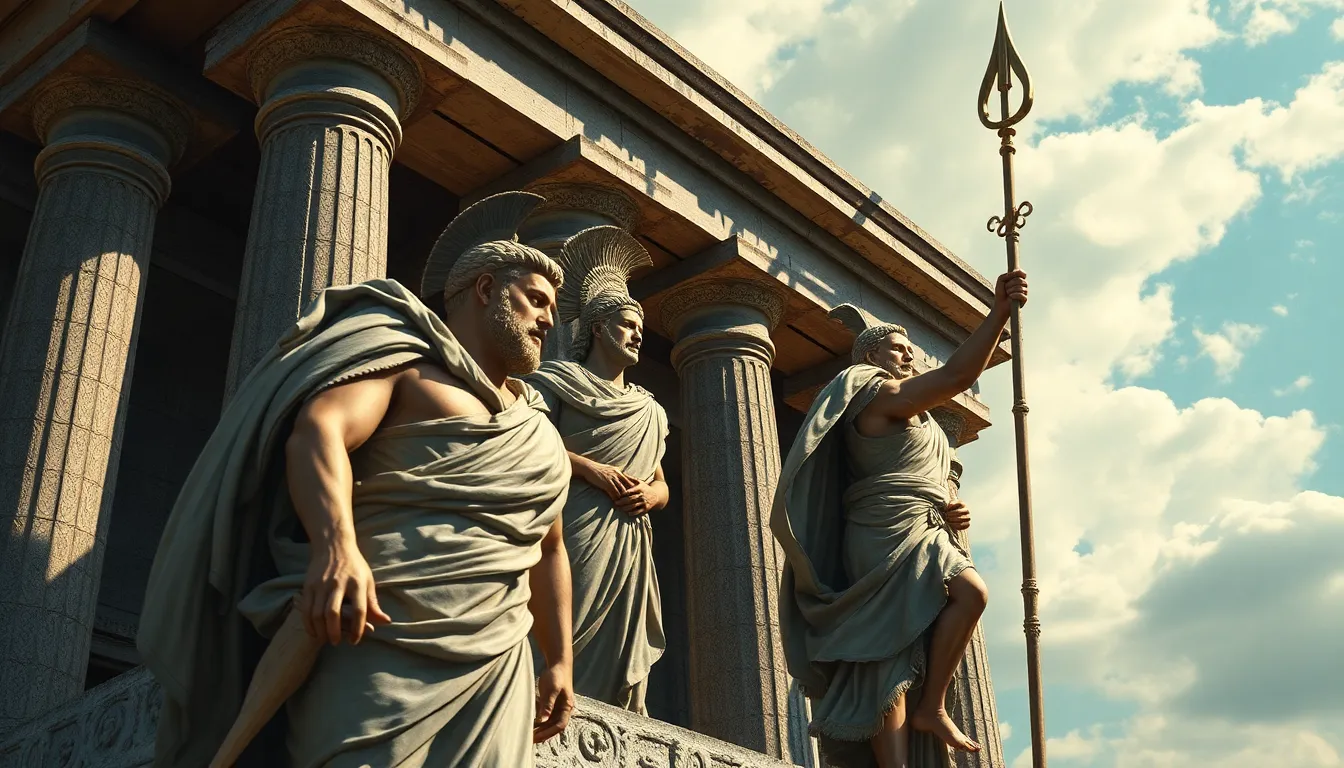
Athenian Valor: Meet the Heroes Who Defied the Gods
I. Introduction: The Intersection of Myth and History
Ancient Athens, a cradle of civilization, was deeply intertwined with myth and religion. The Athenians held a profound reverence for their pantheon of gods, each representing various aspects of life, nature, and human experience. Yet, within this veneration, there existed a fascinating element: the heroes who dared to challenge divine authority. These individuals, both mythological and historical, embodied the spirit of defiance and valor, often standing against gods and fate itself.
This article aims to explore the notable figures in Athenian history and mythology who exemplified this courageous spirit, examining their legendary feats, the nature of heroism in their time, and their lasting impact on Athenian culture and beyond.
II. The Concept of Heroism in Ancient Athens
In the context of ancient Athens, heroism was not merely about physical strength or prowess in battle; it encompassed a broader spectrum of qualities, including wisdom, courage, and moral integrity. Athenian heroes often found themselves at the crossroads of human struggle and divine intervention, navigating a world where fate played a significant role in their lives.
- Definition of Heroism: A hero was typically seen as a person of extraordinary capabilities, often marked by their noble lineage and exceptional deeds.
- Fate and Divine Intervention: Many heroic narratives involved the tension between the hero’s will and the whims of the gods, showcasing the fragility of human agency.
- Distinction between Heroes: Athenian heroes could be mythological, like Heracles, or historical, like Pericles, each leaving an indelible mark on society.
III. Prominent Athenian Heroes
Several key figures stand out in Athenian lore, each with a unique story of valor and defiance against divine powers.
- Theseus: Known as the founder-hero of Athens, Theseus is celebrated for his many exploits, including the slaying of the Minotaur in Crete. His journey symbolizes the triumph of human ingenuity over monstrous obstacles, reflecting Athenian ideals of courage and intelligence.
- Heracles: While often associated with strength, Heracles’ labors also represent the struggle against fate. His heroic feats, including the Twelve Labors, are tales of both physical and moral challenges, showcasing his defiance against the gods’ will.
- Pericles: A historical figure rather than a mythological one, Pericles was a statesman who led Athens during its Golden Age. His leadership in the Peloponnesian War, despite fierce opposition from both rivals and fate, solidified his legacy as a hero of the city-state.
These heroes not only achieved personal greatness but also inspired Athenian society to embrace ideals of bravery, intelligence, and the relentless pursuit of glory.

IV. The Role of Women in Athenian Heroism
While the narrative of heroism in ancient Athens often centered around male figures, there were powerful women who defied traditional roles and expectations, becoming heroes in their own right.
- Athena: As the goddess of wisdom and warfare, Athena embodied the ideals of strategic thinking and courage. She played a crucial role in various myths, guiding heroes like Odysseus and providing divine support in battles.
- Artemis: The goddess of the hunt, Artemis was known for her independence and strength. She defied societal norms by rejecting marriage and embracing her role as a protector of women and children, showcasing a form of heroism rooted in autonomy.
These figures not only contributed to heroic narratives but also influenced Athenian society, challenging the gender norms of their time and redefining what it meant to be a hero.
V. The Influence of Philosophy on Athenian Heroism
The philosophical landscape of ancient Athens significantly shaped the understanding of heroism. Thinkers like Socrates, Plato, and Aristotle explored the nature of virtue, courage, and the human condition.
- Socrates: His emphasis on knowledge and ethical living encouraged Athenians to seek a deeper understanding of heroism, moving beyond physical feats to include moral fortitude.
- Plato: In works like “The Republic,” he discussed the ideal forms of justice and virtue, presenting a vision of heroism that transcended individual glory to encompass the greater good of society.
- Aristotle: Aristotle’s exploration of ethics and virtue ethics provided a framework for understanding heroic actions as those grounded in reason and moral choice, rather than mere chance or divine favor.
This philosophical inquiry created a rich discourse around heroism, fostering a culture that celebrated both the extraordinary deeds of individuals and the importance of virtue in public life.
VI. Myths vs. Reality: The Historical Context of Athenian Heroes
Athenian myths often draw inspiration from historical events, blending fact and fiction to create compelling narratives of heroism. Major events, such as the Persian Wars, significantly influenced these stories.
- The Persian Wars: The battles against Persia, particularly the Battle of Marathon, became a rallying point for Athenian valor, inspiring tales of heroism that emphasized unity and resistance against tyranny.
- Historical Figures: Many mythological heroes were based on real individuals or events, leading to a legacy where history and mythology intertwined to create a rich tapestry of Athenian identity.
This blending of myths and reality illustrates how Athenian valor was not only celebrated in stories but was also a lived experience, reflecting the resilience and courage of its people in the face of adversity.
VII. Legacy of Athenian Heroes in Modern Culture
The influence of Athenian heroes extends far beyond their time, permeating contemporary literature, art, and popular culture. These figures have been reinterpreted and celebrated in various forms, reflecting their enduring relevance.
- Literature: Modern authors continue to draw inspiration from Athenian myths, reimagining these heroes in novels, poetry, and plays that explore themes of courage and defiance.
- Art: Visual artists often depict Athenian heroes, using their stories to comment on contemporary issues of heroism, morality, and the human condition.
- Media: Films and television shows regularly feature Athenian heroes, adapting their tales to resonate with modern audiences while preserving the core values of bravery and resilience.
This ongoing fascination with Athenian heroes underscores their importance in shaping discussions about heroism and the ideals that continue to inspire individuals today.
VIII. Conclusion: The Timeless Nature of Athenian Valor
The exploration of Athenian heroes who defied the gods reveals profound lessons about courage, resilience, and the human spirit. These figures, whether mythical or historical, exemplify the struggle against insurmountable odds, inspiring generations to confront their challenges with bravery and determination.
As we reflect on the legacy of Athenian valor, we recognize the timeless nature of their stories, urging us to embrace our potential for heroism in our own lives. In a world where the challenges may seem daunting, the tales of these heroes remind us of the power of courage and the enduring quest for greatness.