Beyond the Underworld: What Elysium Really Means in Greek Myths
I. Introduction
Elysium, or the Elysian Fields, is a concept deeply rooted in Greek mythology, representing the ultimate paradise for souls who have lived virtuous lives. Unlike the more commonly known Underworld ruled by Hades, Elysium offers a serene and blissful existence after death, where the souls can enjoy eternal happiness. This article aims to delve into the meaning and significance of Elysium, exploring its historical context, its distinction from the Underworld, the criteria for entry, its representations in literature and art, philosophical interpretations, and its legacy in modern culture.
II. Historical Context of Elysium
The origins of Elysium can be traced back to ancient Greek culture, where the afterlife was a significant aspect of belief systems. Initially, the concept of Elysium was vague, but it gradually evolved into a well-defined paradise for the favored souls.
A. Origins of the concept in ancient Greek culture
In early Greek society, the afterlife was a murky concept, with little distinction between the fates of souls. Over time, however, the idea of Elysium emerged as a place of reward for the virtuous. It was initially linked to the myth of the hero and the divine.

B. Elysium in early texts and literature
Elysium is mentioned in several early texts, most notably in Homer’s “Odyssey,” where it is depicted as a blissful realm for the souls of heroes. The notion was further developed in the works of later poets and philosophers, who painted a more elaborate picture of this paradise.
C. Evolution of the Elysium narrative through different periods
- In the Homeric period, Elysium was seen as a distant, idyllic place where heroes were rewarded.
- By the time of Plato and other philosophers, Elysium transformed into a more philosophical concept, representing the ultimate good.
- The Hellenistic period further refined Elysium’s characteristics, associating it with moral virtue and divine approval.
III. Elysium vs. the Underworld
To understand Elysium fully, it is essential to contrast it with the Underworld, a realm associated with the dead and ruled by Hades.
A. Comparison of Elysium and Hades
While Hades is often depicted as a gloomy and desolate place where souls face judgment, Elysium stands in stark contrast as a paradise filled with light and joy.
B. Distinct features of Elysium as a paradise
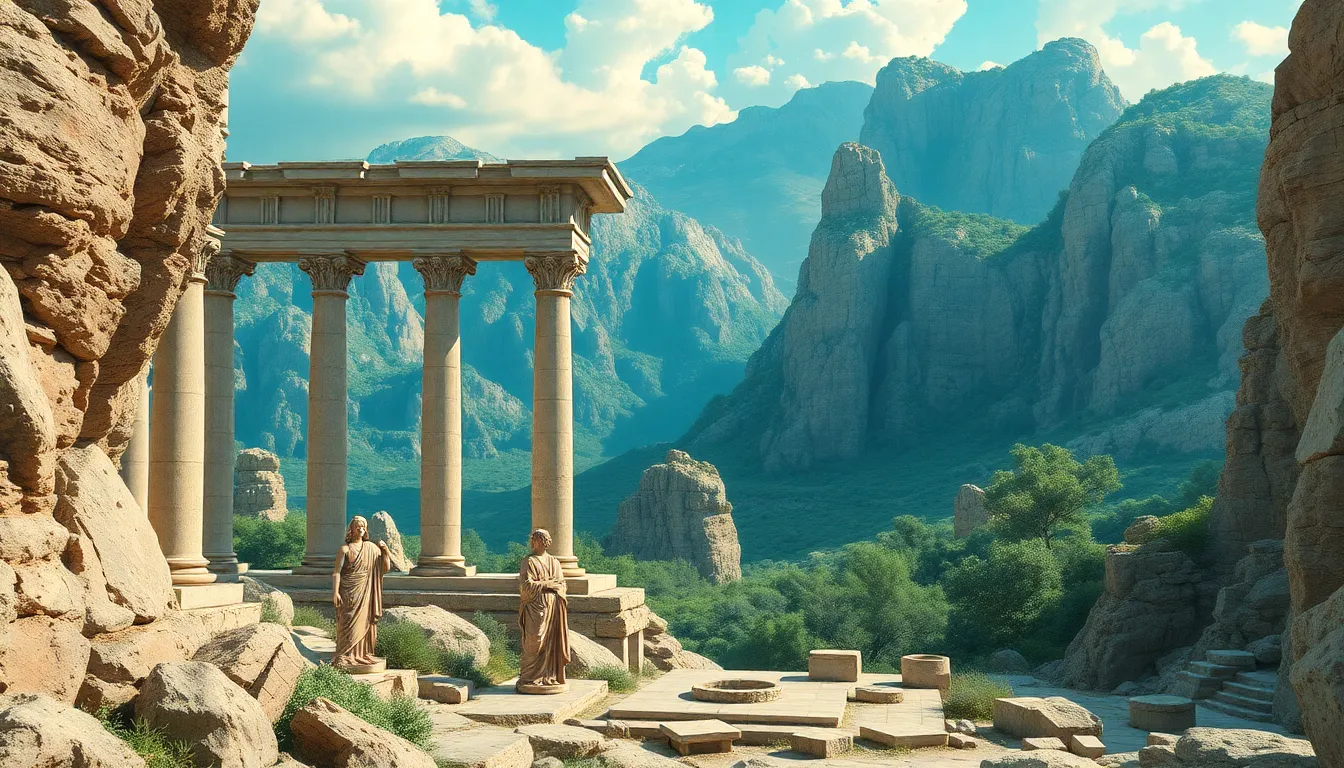
- Elysium is characterized by beautiful landscapes, eternal spring, and abundant feasting.
- Souls in Elysium enjoy the company of heroes and are free from the sorrows of the mortal world.
- There are no punishments or suffering in Elysium, unlike the realms of Hades where souls may face retribution.
C. The role of Elysium in shaping Greek beliefs about morality and virtue
Elysium served as an incentive for moral behavior, encouraging individuals to lead virtuous lives. The promise of an eternal paradise influenced many aspects of Greek culture, from ethics to social conduct.
IV. The Criteria for Entry into Elysium
Not all souls were granted access to Elysium. There were specific criteria that determined who could enter this idyllic realm.
A. Heroic deeds and their significance
Primarily, Elysium was reserved for heroes and individuals who performed great deeds. Acts of bravery, sacrifice, and exceptional virtue were key factors in securing a place in this paradise.
B. The role of the gods and divine favor
The gods played a significant role in determining entry into Elysium. Favor from deities such as Zeus or Persephone could grant a soul access to this blissful afterlife.
C. Contrast with the fates of common souls
In contrast, ordinary souls faced a more uncertain fate in the Underworld, where their experiences were determined by their life choices. Many common individuals ended up in Asphodel Meadows, a neutral space devoid of joy or suffering.
V. Elysium in Greek Literature and Art
Elysium has been referenced and depicted in various classical texts and artworks, showcasing its significance in Greek culture.
A. References in classical texts (e.g., Homer, Virgil)
Homer’s “Odyssey” provides one of the earliest accounts of Elysium, describing it as a place where favored souls reside. Virgil also references Elysium in the “Aeneid,” showcasing its role as a paradise for the virtuous.
B. Artistic representations of Elysium in sculpture and pottery
Artists depicted Elysium in various forms, often illustrating lush landscapes and joyful souls. Pottery and frescoes from ancient Greece often featured scenes of Elysium, emphasizing its beauty and tranquility.
C. Elysium’s impact on later cultural and literary works
The concept of Elysium influenced later literary and artistic traditions, inspiring works that explore themes of paradise, morality, and the afterlife across various cultures.
VI. Philosophical Interpretations of Elysium
The philosophical implications of Elysium extend beyond mythology, offering insights into Greek thought regarding ethics and the nature of the good life.
A. The implications of Elysium in Greek philosophy
Philosophers like Plato viewed Elysium as a reflection of the ideal state of being, where the soul could experience true happiness and virtue. It served as a metaphor for the pursuit of the good life.
B. Connections to concepts of the good life and ethics
Elysium encouraged individuals to align their lives with ethical principles, as the promise of paradise was tied to living a life of virtue and moral integrity.
C. Elysium’s influence on later philosophical thought
The idea of Elysium influenced later philosophical discussions about the afterlife, morality, and the concept of reward for virtuous behavior, echoing through centuries of thought.
VII. Legacy of Elysium in Modern Culture
The legacy of Elysium extends into contemporary culture, where its themes resonate in literature, film, and art.
A. Elysium’s presence in contemporary literature and media
Modern works often reference Elysium as a symbol of paradise, exploring its themes of reward and virtue. Books and films frequently draw on the idea of a blissful afterlife as a narrative device.
B. The enduring symbolism of paradise and reward
- Elysium symbolizes the ultimate reward for ethical living.
- It serves as a metaphor for the human longing for peace, joy, and fulfillment post-mortem.
- The imagery of Elysium continues to inspire artistic representations of paradise across cultures.
C. Comparisons to other cultural concepts of the afterlife
While Elysium is a unique representation of paradise in Greek mythology, similar concepts exist in other cultures, such as the Christian notion of Heaven or the Hindu idea of Svarga. These parallels highlight a common human desire for a rewarding afterlife.
VIII. Conclusion
In summary, Elysium holds a significant place in Greek mythology as a symbol of paradise and reward for virtue. Its rich historical context, distinct characteristics compared to the Underworld, and the criteria for entry reflect deep-seated beliefs about morality and the afterlife. Elysium’s impact on literature, philosophy, and modern culture underscores its enduring legacy and relevance. Ultimately, the interplay between myth and morality in Elysium continues to shape human beliefs about life, death, and the pursuit of virtue.