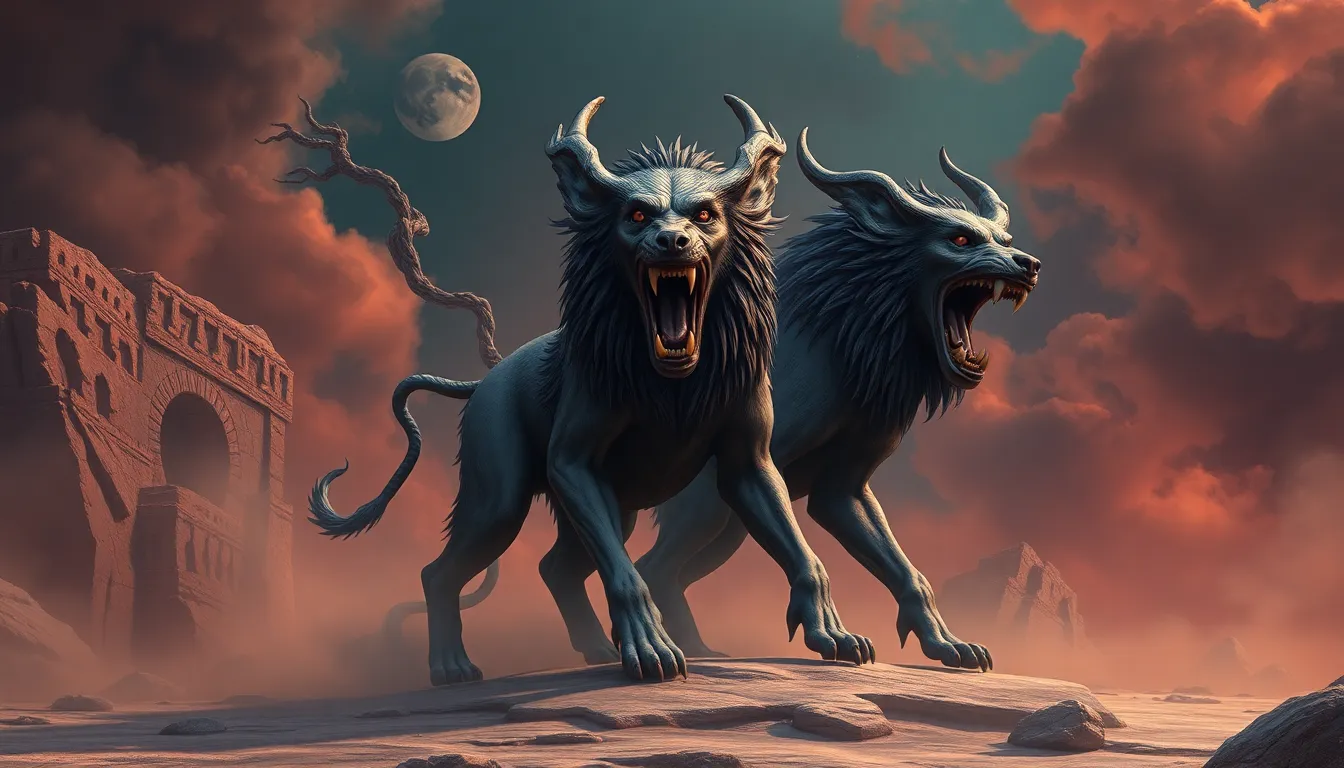
Cerberus in Folklore: How Myths Shape Cultural Narratives
I. Introduction
Folklore encompasses the traditional beliefs, myths, tales, and practices of a culture, serving as a vital element in shaping its identity and values. This rich tapestry of stories and characters often reflects the morals, fears, and aspirations of society. Among these mythological figures, Cerberus stands out as a prominent symbol within Greek mythology.
Cerberus, the three-headed dog that guards the gates of the Underworld, embodies the complex relationship between humanity and the afterlife. This article aims to examine how the figure of Cerberus influences cultural narratives, reflecting both ancient beliefs and modern interpretations.
II. The Origins of Cerberus in Greek Mythology
Cerberus is most commonly depicted as a formidable creature with three heads, a long serpent tail, and a mane of snakes. His primary role in Greek mythology is to guard the gates of Hades, preventing the souls of the deceased from escaping and ensuring that the living do not enter the realm of the dead without permission.
Historically, Cerberus is rooted in ancient Greek beliefs about the afterlife and the importance of maintaining the boundaries between the realms of the living and the dead. He is often mentioned in various mythological tales, including those involving heroes like Heracles, who famously captured Cerberus as one of his twelve labors.
Through these stories, Cerberus serves not only as a guardian but also as a reminder of the inevitability of death and the importance of respecting the natural order of life and the afterlife.
III. Symbolism and Interpretation of Cerberus
The three heads of Cerberus symbolize various aspects of existence, including the past, present, and future, as well as the physical, emotional, and spiritual realms. Each head can be interpreted as representing a different facet of life, reflecting the complexities of human experience.
Moreover, Cerberus embodies themes of loyalty and protection. As a guardian, he is fiercely protective of the Underworld, showcasing the loyalty often associated with dogs in human culture. This duality of Cerberus—both a protector and a fearsome monster—illustrates the complexity of his character in mythology.
IV. Cerberus in Literature and Art
Cerberus has been depicted in numerous works of classical literature. Notable references include:
- Homer’s “The Iliad” and “The Odyssey”: Cerberus is briefly mentioned, emphasizing his role as a gatekeeper.
- Virgil’s “Aeneid”: The epic poem features Cerberus more prominently, presenting him as a monstrous figure that must be confronted.
In addition to literature, Cerberus has been a popular subject in art throughout the ages. From ancient Greek pottery and sculpture to Renaissance paintings, artists have sought to capture the fearsome yet fascinating nature of this mythological creature.
Today, Cerberus continues to influence modern storytelling and pop culture, appearing in movies, video games, and literature, often reimagined to fit contemporary narratives.
V. Cerberus in Comparative Mythology
Similar figures to Cerberus can be found in various cultures around the world. One notable example is Anubis, the ancient Egyptian god associated with mummification and the afterlife, often depicted as a jackal or a man with a jackal’s head.
Across different mythologies, common themes emerge, including:
- The concept of a guardian figure protecting the afterlife.
- The dual nature of these figures as both protectors and potential threats.
- The representation of societal fears surrounding death and the unknown.
These guardian figures, including Cerberus, play a crucial role in shaping cultural narratives and providing insight into the values and beliefs of their respective societies.
VI. Cerberus and Modern Interpretations
In contemporary literature and media, Cerberus has evolved into a multifaceted character. He appears in various forms, from fearsome beasts in horror films to more nuanced portrayals in fantasy literature. This evolution reflects the changing perceptions of death, loyalty, and protection in modern society.
Furthermore, Cerberus often mirrors current societal fears and values, representing the complexities of life, death, and what lies beyond. His presence in modern narratives serves as a reminder of the enduring power of myth in addressing existential questions and moral dilemmas.
VII. The Impact of Cerberus on Cultural Narratives
Cerberus serves as a powerful tool for moral lessons and cautionary tales. His role as a guardian underscores the importance of boundaries and respect for the unknown, while also highlighting the dangers of hubris and the consequences of defying the natural order.
Folklore, including tales of Cerberus, plays a vital role in reinforcing cultural identity. These stories connect individuals to their heritage, providing a sense of belonging and understanding of societal values.
Moreover, myths like Cerberus influence modern social norms and beliefs, shaping how we perceive loyalty, protection, and the afterlife. The lessons embedded in these narratives continue to resonate, reminding us of the importance of respecting the boundaries of life and death.
VIII. Conclusion
In summary, Cerberus holds significant importance in folklore as a mythological figure that embodies complex themes of loyalty, protection, and the duality of life and death. His enduring presence in stories and art reflects the cultural narratives that shape our understanding of these themes.
As we reflect on the power of myths, it is essential to appreciate their role in shaping cultural narratives and their relevance in contemporary society. Exploring figures like Cerberus helps us connect with our past while navigating the complexities of our present and future.