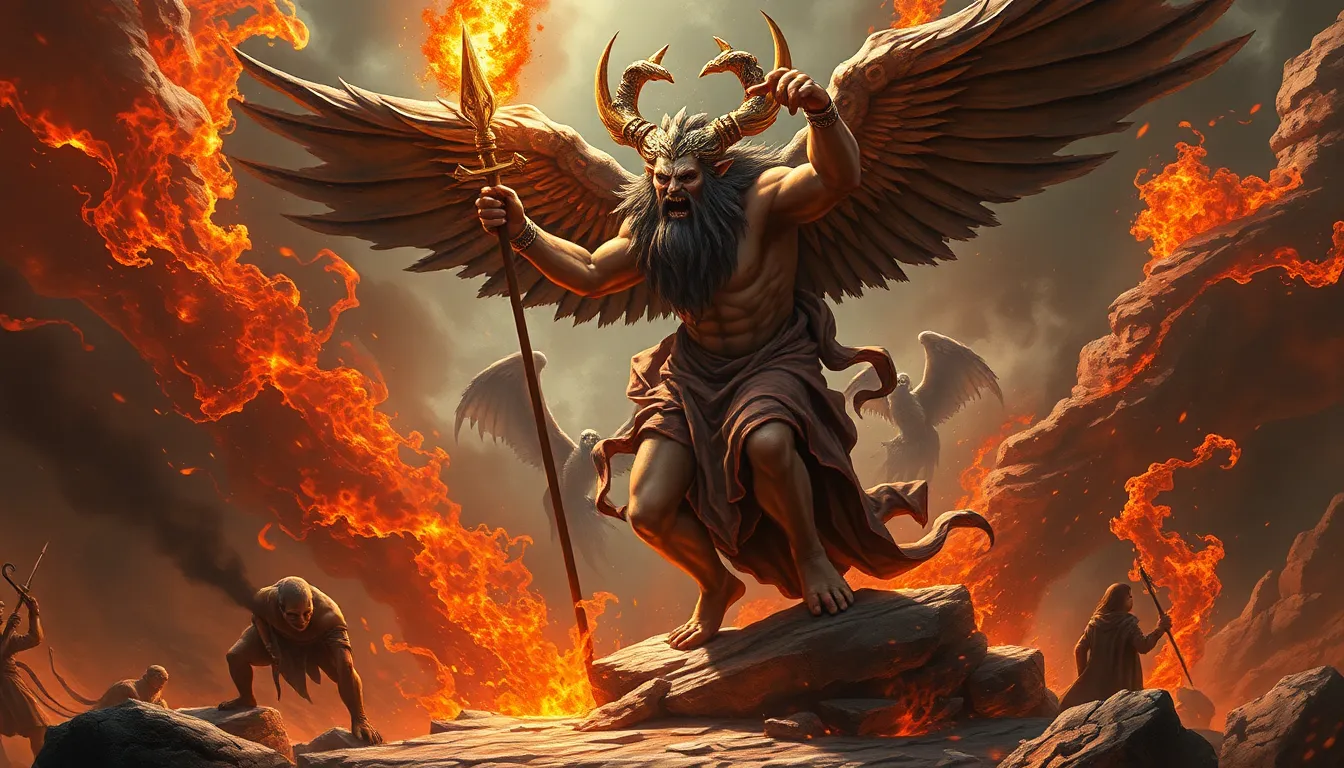
Curses and Retribution: The Harsh Reality of Divine Punishments
I. Introduction
Curses and divine retribution have been integral components of human belief systems throughout history. A curse is often defined as a solemn utterance intended to invoke a supernatural power to inflict harm or punishment on someone or something. Divine retribution refers to the concept that a higher power enacts punishment for moral transgressions, serving as a form of justice that transcends human authority.
The historical and cultural significance of curses and divine retribution can be seen across various civilizations, where such beliefs shaped societal norms and moral codes. This article aims to explore the multifaceted nature of curses and divine punishments, their representation across cultures, and their lasting impact on literature and modern society.
II. The Concept of Curses in Various Cultures
A. Ancient civilizations and their beliefs in curses
Throughout history, ancient civilizations believed in the power of curses as a means of invoking divine wrath. In Mesopotamia, for instance, curses were often inscribed on clay tablets to bring misfortune upon enemies or wrongdoers. The Egyptians also had a rich tradition of curses, particularly in their burial practices, where curses were placed to protect tombs from robbers.
B. Curses in religious texts and mythologies
Religious texts and mythologies across cultures contain numerous examples of curses. In the Hebrew Bible, the curses pronounced in the Book of Deuteronomy serve as a warning against disobedience to God’s laws. Similarly, in Greek mythology, the story of King Midas illustrates a curse that transforms everything he touches into gold, ultimately bringing him despair.
C. Modern interpretations of curses
In contemporary society, curses are often viewed through a more psychological lens. While some may still believe in their supernatural effects, many consider them symbolic of personal or societal misfortunes. The concept of the “curse” has evolved, becoming a metaphor for bad luck or ill fate rather than a literal invocation of divine punishment.
III. Divine Retribution: Understanding the Framework
A. Theological perspectives on divine punishment
Theological discussions about divine retribution often involve the nature of God and justice. Many religions posit that divine punishment is a means of maintaining moral order in the universe. This perspective suggests that suffering is a consequence of sin, and it serves a greater purpose in the divine plan.
B. The moral implications of retribution
Divine retribution raises significant moral questions. Is it just for a deity to punish individuals for their transgressions? Different philosophical and theological frameworks provide varied answers. Some argue that retribution is necessary for moral accountability, while others contend that it contradicts the principles of mercy and forgiveness.
C. The relationship between sin and suffering
In many religious traditions, there is a direct link between sin and suffering. This relationship posits that moral failures lead to suffering, whether in this life or the next. It serves to reinforce ethical behavior and adherence to societal norms, as the fear of divine punishment can deter individuals from wrongdoing.
IV. Case Studies of Curses and Their Consequences
A. Historical examples of famous curses
- The Curse of the Pharaohs: The supposed curse that befell those who disturbed the tombs of ancient Egyptian pharaohs, particularly noted after the discovery of Tutankhamun’s tomb.
- The Hope Diamond: This famous gem is said to bring misfortune and tragedy to its owners, leading to a string of unfortunate events.
- The Kennedy Curse: A series of tragic events and premature deaths that have plagued the Kennedy family, often attributed to a family curse.
B. Analysis of the outcomes and societal reactions
Historical curses often evoke fear and fascination. The public response to these curses can vary significantly, from skepticism to genuine belief. For instance, the curse of Tutankhamun led to sensational media coverage and a wave of interest in Egyptology, while also instilling fear in those involved in the excavation.
C. Psychological impacts on individuals and communities
The belief in curses can have profound psychological effects. Individuals may experience anxiety or paranoia, believing they are cursed, which can lead to a self-fulfilling prophecy. Communities may also rally around the concept of a curse, forming collective beliefs that influence social behavior and cohesion.
V. The Role of Folklore and Storytelling
A. How curses are conveyed through folklore
Curses play a significant role in folklore, often serving as cautionary tales that impart moral lessons. These narratives provide insight into societal values and the consequences of defiance against cultural norms.
B. The function of cautionary tales
Cautionary tales featuring curses highlight the dangers of hubris, betrayal, or immorality. They serve to warn individuals about the repercussions of their actions, thus reinforcing communal ethics and behaviors.
C. The evolution of curse narratives over time
Over time, curse narratives have transformed, reflecting changes in societal values and beliefs. From ancient myths to modern horror stories, the portrayal of curses has adapted to fit contemporary fears and anxieties, showcasing the enduring nature of these themes.
VI. Curses in Literature and Pop Culture
A. Representation of curses in classic literature
Classic literature often explores themes of curses and divine punishment. In Shakespeare’s works, for example, characters frequently invoke curses as a means of expressing their anger and frustration. The “curse of Macbeth” serves as a pivotal element in the play, driving the plot toward its tragic conclusion.
B. Modern films and media portrayals
In contemporary cinema and television, curses have become a popular trope. Films such as “The Ring” and “The Grudge” explore the horror associated with curses, while providing commentary on guilt, retribution, and the human condition.
C. The influence of curses on character development and plot
Curses often serve as catalysts for character development. Protagonists may embark on quests to break a curse, leading to personal growth and redemption. The struggle against a curse can symbolize the broader human experience of grappling with fate and morality.
VII. Coping with Curses and Seeking Redemption
A. Traditional practices for breaking curses
- Rituals: Many cultures have specific rituals designed to break curses, such as cleansing ceremonies or offerings to deities.
- Amulets and Talismans: Objects believed to ward off curses are commonly used across cultures, providing a sense of protection to individuals.
- Prayer and Meditation: Spiritual practices aimed at seeking forgiveness or divine intervention are often employed as a means to counteract curses.
B. Psychological and spiritual approaches to healing
Modern approaches to coping with perceived curses often involve psychological counseling and spiritual guidance. Therapy can help individuals process their beliefs about curses and mitigate the associated anxiety, while spiritual practices may offer comfort and a sense of control.
C. The quest for redemption and forgiveness
Many individuals who believe they are cursed seek redemption through acts of kindness, atonement, or seeking forgiveness from those they have wronged. This quest reflects a deep desire for moral rectitude and the restoration of balance in their lives.
VIII. Conclusion
In summary, curses and divine retribution are complex concepts that have shaped human culture and belief systems throughout history. They serve not only as tools for enforcing moral behavior but also as reflections of societal fears and anxieties.
The enduring legacy of curses reminds us of the intricate relationship between human actions and their consequences, emphasizing the importance of ethics and accountability in our lives.
As society continues to evolve, the implications of curses and divine retribution remain relevant, challenging us to reflect on our moral choices and the narratives we create around them.