Delphi’s Influence on Modern Spiritual Practices
I. Introduction
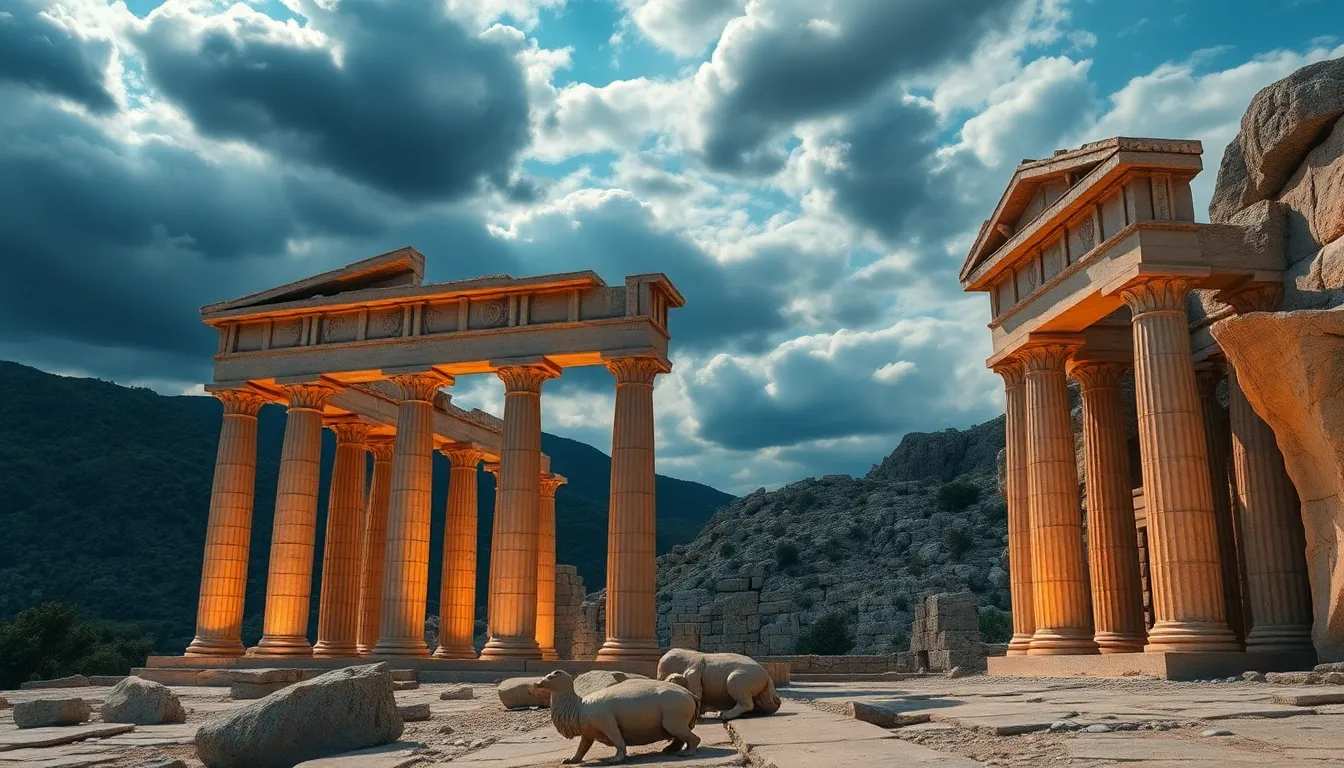
Delphi, situated on the slopes of Mount Parnassus in Greece, was once regarded as the center of the world by the ancient Greeks. This sacred site was home to the Oracle of Delphi, a priestess known as the Pythia, who served as a vital link between the gods and humanity. The prophecies delivered at Delphi guided not only individual lives but also the governance of city-states, making it a significant spiritual and political hub in antiquity. This article explores the lasting impact of Delphi on contemporary spirituality, examining how ancient beliefs, rituals, and practices continue to resonate in modern spiritual communities.
II. The Oracle of Delphi: A Brief Historical Background
A. The role of the Oracle in ancient Greece
The Oracle of Delphi was revered as the most important oracle in ancient Greece. Individuals and leaders from all over the Hellenic world would travel to Delphi to seek guidance on various matters, from personal dilemmas to state affairs. The Pythia, sitting on a tripod above a fissure in the earth, would inhale vapors and enter a trance-like state, delivering cryptic messages that were interpreted by priests.
B. Key figures and events associated with Delphi
- Apollo: The god of prophecy, music, and healing, who was believed to have established the Oracle.
- Herodotus: The ancient historian who documented the significance of the Oracle in political decisions.
- The Persian Wars: Leaders such as Croesus of Lydia sought the Oracle’s counsel before engaging in warfare.
C. The spiritual and political significance of the Oracle’s prophecies
The prophecies of Delphi had profound implications for both the spiritual and political landscapes of ancient Greece. Rulers often relied on the Oracle’s advice when making critical decisions, believing that the Pythia’s words were divinely inspired. This practice underscored the integration of spirituality and governance, where divine insight shaped the course of history.
III. Key Philosophies and Beliefs of Delphi
A. The concept of the divine and the sacred
At Delphi, the divine was perceived as an omnipresent force that could be accessed through ritual and reverence. The sacredness of the site was palpable, with every aspect of the Oracle’s practice steeped in tradition. This connection to the divine continues to inspire modern spiritual practices that seek alignment with higher consciousness.
B. The importance of intuition and inner guidance
Delphi emphasized the significance of intuition—an inner knowing that transcends rational thought. The Oracle encouraged seekers to trust their instincts and cultivate a deeper relationship with their inner selves. This belief in intuition is echoed in contemporary spiritual practices, where individuals are urged to listen to their inner voice.
C. The practice of self-knowledge and its relevance
One of the most famous maxims associated with Delphi is “Know thyself.” This aphorism underscores the importance of self-exploration and understanding one’s place in the cosmos. In modern spirituality, self-knowledge remains a cornerstone, guiding individuals on their paths toward personal growth and enlightenment.
IV. The Rituals and Practices of Delphi
A. Overview of rituals conducted at the Temple of Apollo
The Temple of Apollo was the epicenter of Delphi’s spiritual activities. Rituals included offerings of food, wine, and incense, as well as elaborate ceremonies during the Pythia’s prophetic sessions. These practices fostered a sense of community and connection among worshippers.
B. Divination methods used by the Oracle
The Oracle employed various divination methods, including:
- Inhalation of vapors from the chasm beneath the temple to induce trance states.
- Interpretation of dreams and visions by the Pythia.
- Symbolic readings of natural phenomena, such as the behavior of birds.
C. The role of pilgrimage and communal gatherings
Pilgrimage to Delphi was a significant aspect of ancient Greek spirituality. People from all walks of life would journey to the site, not only to consult the Oracle but also to participate in communal festivals, such as the Pythian Games, which fostered a sense of unity and shared belief.
V. The Revival of Ancient Practices in Modern Spirituality
A. Neo-Paganism and its connection to Delphi
In recent decades, Neo-Pagan movements have drawn inspiration from ancient Greek practices, including those at Delphi. These groups often incorporate rituals, mythology, and reverence for nature in their spiritual practices, seeking to revive the wisdom of the ancients.
B. The rise of modern oracular practices and divination
Modern spiritual seekers are increasingly turning to oracles and divination as tools for self-discovery and guidance. Tarot readings, astrology, and other forms of divination echo the ancient practices of the Oracle of Delphi, allowing individuals to connect with their intuition and seek answers from the universe.
C. Integration of ancient rituals into contemporary spiritual communities
Contemporary spiritual communities are embracing ancient rituals, integrating them into modern practices. This includes:
- Workshops that teach ancient divination techniques.
- Retreats that focus on self-knowledge and inner guidance.
- Community gatherings that celebrate ancient festivals and customs.
VI. Psychological and Philosophical Interpretations
A. Jungian perspectives on the archetypes drawn from Delphi
Psychologist Carl Jung identified archetypes as universal symbols and themes that influence human experiences. The Oracle of Delphi and its associated myths offer rich material for exploring these archetypes, such as the hero’s journey, the wise old woman, and the trickster. These archetypes continue to shape modern psychological and spiritual exploration.
B. The influence of Delphi on mindfulness and self-discovery practices
The practices at Delphi, emphasizing self-knowledge and intuition, align closely with contemporary mindfulness techniques. Modern spiritual seekers are encouraged to cultivate awareness of their thoughts and emotions, echoing the ancient emphasis on introspection and self-discovery.
C. The role of the unconscious in modern spirituality
The unconscious mind, as explored in depth by Jung and others, plays a crucial role in spiritual development. The Oracle’s guidance often tapped into the collective unconscious, resonating with seekers on a deep psychological level. This understanding informs modern spiritual practices that prioritize the exploration of the unconscious as a pathway to enlightenment.
VII. Case Studies: Contemporary Spiritual Leaders Inspired by Delphi
A. Profiles of modern spiritual teachers referencing Delphi
Many contemporary spiritual leaders draw upon the wisdom of Delphi in their teachings. Some notable figures include:
- Dr. Clarissa Pinkola Estés, who incorporates archetypal storytelling in her workshops.
- James Hillman, who emphasized the importance of myth in psychology.
- Christina Pratt, who offers classes on shamanic practices that echo ancient wisdom.
B. Examples of workshops, retreats, or practices drawing from Delphi
Various workshops and retreats are inspired by the teachings of Delphi, focusing on themes of prophecy, intuition, and self-knowledge. For instance:
- Intuitive Development Workshops that teach participants to access their inner guidance.
- Retreats that explore ancient Greek mythology and its relevance to modern life.
- Community events celebrating the Pythian Games, promoting unity and shared spiritual experiences.
C. Testimonials from practitioners about the influence of Delphi
Many spiritual practitioners express how the wisdom of Delphi has transformed their lives. Testimonials often highlight:
- A greater understanding of self and purpose.
- Enhanced intuition and decision-making abilities.
- A deepened connection to ancient traditions and community.
VIII. Conclusion
Delphi’s enduring legacy in modern spiritual practices is a testament to the timeless nature of its teachings. The intersection of spirituality and governance at Delphi, the emphasis on self-knowledge, and the practices surrounding the Oracle continue to resonate today. As we reflect on the importance of ancient wisdom in our contemporary lives, we are encouraged to explore our own spiritual journeys, drawing inspiration from the rich tapestry of Delphi’s history and teachings.
In a world that often prioritizes the material over the spiritual, the lessons from Delphi remind us of