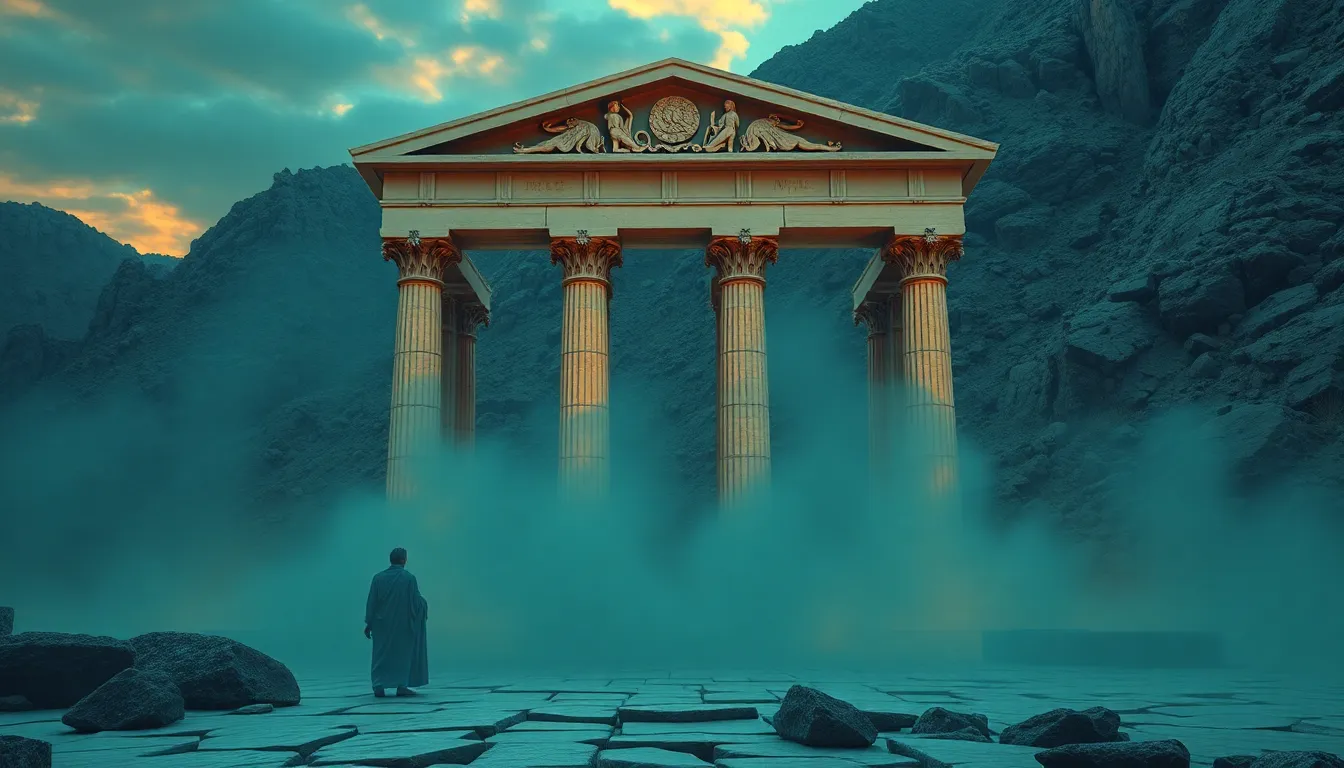
Delphi’s Spiritual Practices: Rituals That Transcended Time
I. Introduction
Delphi stands as one of the most significant sites in ancient Greece, revered not only for its stunning geographical location but also for its profound cultural and spiritual impact. Nestled on the slopes of Mount Parnassus, Delphi was home to the famous Oracle, a focal point for the spiritual and political life of the Greek world. The spiritual practices and rituals associated with Delphi transcended time, influencing generations and shaping beliefs that extended far beyond the boundaries of ancient Greece.
This article delves into the spiritual practices and rituals of Delphi, exploring their historical context, the role of the Oracle, and the community’s engagement with the divine. It aims to illuminate the significance of these practices and their lasting legacy in both ancient and modern spirituality.
II. Historical Context of Delphi
Delphi’s geographical and cultural importance cannot be overstated. Located in central Greece, it served as a sanctuary and a meeting point for various Greek city-states. The sacred site was dedicated to Apollo, the god of prophecy, music, and healing, and it became the most important oracle in the ancient world.
The Oracle of Delphi, represented by the priestess known as the Pythia, played a crucial role in Greek society. Individuals and city-states would journey to Delphi to seek guidance on critical decisions—from matters of war to personal affairs. As the oracle’s insights were believed to be divinely inspired, her prophecies held significant weight in shaping political and social dynamics.
Over the centuries, spiritual practices at Delphi evolved, reflecting changes in society and culture. From ancient rituals to Hellenistic and Roman influences, the site adapted while maintaining its core significance as a spiritual center.
III. The Rituals of the Pythia
The Pythia, the high priestess of the Temple of Apollo, was central to Delphi’s spiritual practices. Her role was not merely that of a oracle; she was seen as the mouthpiece of Apollo, delivering prophecies that were both revered and feared.
The process of divination involved several steps:
- Preparation: The Pythia would undergo a series of purifications and rituals, including bathing in the Castalian Spring and fasting.
- Entering the Temple: Once prepared, she would enter the inner sanctum of the temple, where she would sit on a tripod above a chasm that emitted vapors.
- Receiving the Message: In a trance-like state, influenced by the vapors, the Pythia would utter cryptic messages, which were then interpreted by the priests.
The significance of the Pythia’s prophecies was immense. Leaders and common people alike relied on her insights to guide their actions, making her words a cornerstone of decision-making in ancient Greece. The ambiguity of her messages often added to their mystique, leaving room for interpretation and reflection.
IV. Sacred Offerings and Sacrifices
Offerings made at the Temple of Apollo were an essential aspect of Delphi’s spiritual practices. Worshippers brought various types of offerings to honor the gods and seek favor:
- Animal Sacrifices: Sheep, goats, and even larger animals were often sacrificed. The blood was seen as a vital offering to appease the gods.
- Votive Offerings: Many worshippers dedicated items such as jewelry, pottery, and statues to the gods, often in gratitude for answered prayers.
- Libations: Wine and oil were poured out on the altar as a sign of respect and devotion.
The symbolism behind these sacrifices extended beyond mere offerings. They represented a deep connection between the worshippers and the divine, embodying themes of gratitude, supplication, and community solidarity. The impact of these practices fostered a sense of belonging among the worshippers and reinforced the communal identity centered around the Oracle’s wisdom.
V. Festivals and Celebrations
Delphi was renowned for its vibrant festivals, the most notable being the Pythian Games, held every four years. These celebrations were not only athletic contests but also religious ceremonies honoring Apollo.
The major components of these festivals included:
- Athletic Competitions: Athletes from various city-states competed in events such as wrestling, running, and chariot racing.
- Musical and Poetic Contests: Musicians and poets showcased their talents, providing a platform for artistic expression.
- Religious Rituals: Processions, sacrifices, and prayers were integral parts of the celebrations, reinforcing the spiritual significance of the events.
These festivals served as a crucial outlet for spiritual expression, allowing individuals to connect with the divine through competition, art, and community participation. The celebration of Apollo’s influence through music, poetry, and athleticism highlighted the multifaceted nature of ancient Greek spirituality.
VI. The Influence of Delphi on Ancient Philosophy
The spiritual practices of Delphi profoundly impacted ancient philosophers. Many sought out the Oracle for guidance, and her enigmatic pronouncements inspired critical philosophical thought.
Key philosophical teachings inspired by Delphic wisdom include:
- Know Thyself: The famous maxim inscribed at the Temple of Apollo encouraged self-examination and introspection.
- Moderation: The Delphic principle of nothing in excess influenced ethical frameworks, promoting balance in human behavior.
- The Pursuit of Virtue: Philosophers like Socrates and Plato drew on Delphic ideals to shape their moral philosophies, emphasizing the importance of virtue and wisdom.
The legacy of Delphi in shaping moral and ethical thought persists, as its teachings continue to resonate in contemporary philosophical discourse. The intersection of spirituality and philosophy at Delphi created a rich tapestry of ideas that have influenced thinkers for centuries.
VII. Legacy of Delphi’s Spiritual Practices
Delphi’s spiritual practices have not vanished; instead, they have evolved and continued to influence modern spiritual traditions. Many contemporary practices draw inspiration from the rituals and beliefs of ancient Delphi.
Examples of this legacy include:
- Modern Oracles: The concept of seeking guidance from a higher source persists in various spiritual practices today.
- New Age Movements: Elements of Delphi’s spirituality can be seen in new age philosophies that advocate for self-discovery and connection to the divine.
- Artistic Expressions: The importance of music and poetry in spiritual practices continues to resonate in modern rituals and celebrations.
The preservation and reinterpretation of Delphi’s rituals in modern culture highlight the timelessness of its spiritual significance, bridging ancient wisdom with contemporary understanding.
VIII. Conclusion
Delphi’s enduring spiritual significance is a testament to the power of ancient practices that resonate even today. The rituals and beliefs associated with the Oracle of Delphi not only shaped the lives of individuals in ancient Greece but also laid the groundwork for philosophical inquiry and moral reflection.
As we reflect on the timelessness of Delphi’s spiritual practices, it becomes clear that the wisdom of the ancients holds valuable lessons for our modern world. By exploring and appreciating these ancient traditions, we can enrich our spiritual journeys and cultivate a deeper understanding of our place within the universe.