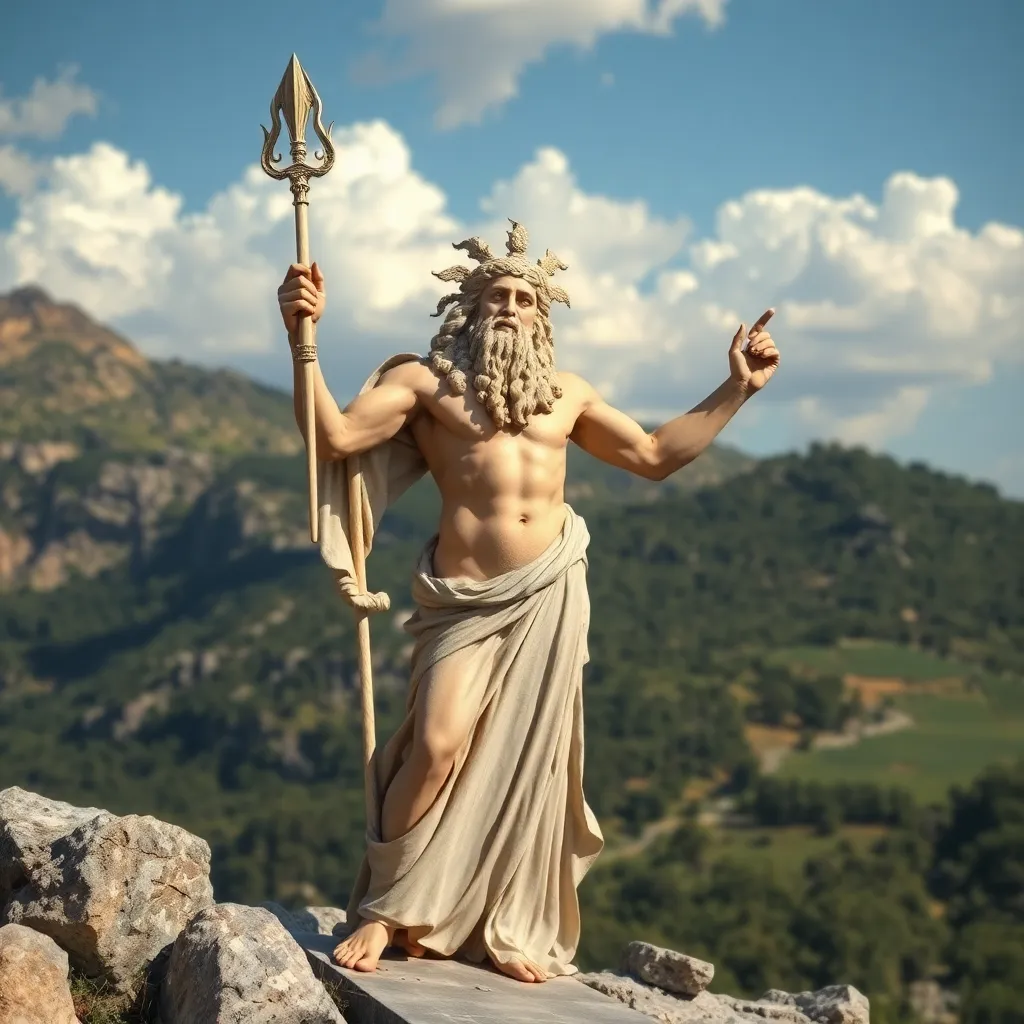
Dionysus and the Transformation of Identity in Myth
I. Introduction
Dionysus, the Greek god of wine, fertility, and revelry, occupies a complex and dual role in Greek mythology. His narratives often explore themes of transformation and identity, reflecting the fluid nature of existence itself. The significance of identity transformation in mythological narratives serves as a powerful lens through which we can examine both ancient and contemporary understandings of self. This article aims to delve into the multifaceted identity of Dionysus, analyzing key myths and their implications for identity transformation.
II. The Dual Nature of Dionysus
Dionysus embodies a unique duality that resonates throughout his myths. He is celebrated as the god of wine and festivity, bringing joy and ecstasy to his followers. However, this joyous aspect is counterbalanced by his darker, destructive side. This dichotomy can be summarized as follows:
- Creator: Dionysus is associated with the cultivation of grapes, the production of wine, and the celebration of life.
- Destroyer: His presence can lead to chaos, madness, and even death, particularly for those who resist or deny his power.
The implications of this duality on identity are profound. Dionysus challenges societal norms and personal boundaries, prompting individuals to confront the complex layers of their identities.
III. Mythological Narratives of Transformation
Myths involving Dionysus frequently center on themes of transformation, particularly concerning identity. Two key narratives highlight this motif:
1. The story of Pentheus and his metamorphosis
In the myth of Pentheus, the young king of Thebes, his refusal to acknowledge Dionysus’s divinity leads to his tragic downfall. Disguised as a woman, Pentheus attempts to spy on the Maenads, female followers of Dionysus. Ultimately, he is discovered and torn apart by his own mother, Agave, who is driven into a frenzy by Dionysian ecstasy. This brutal transformation serves as a stark reminder of the consequences of resisting one’s true nature and the chaos that can ensue when identity is suppressed.
2. The tale of Dionysus and the Maenads
The Maenads, or Bacchae, are female followers of Dionysus who embody ecstatic freedom and revelry. Their transformation from ordinary women to frenzied worshippers illustrates the liberating yet dangerous power of Dionysus. Through their ecstatic dances and rituals, they experience a profound shift in identity, embracing a wildness that contradicts conventional societal roles. This narrative reinforces the idea that transformation can lead to self-discovery and empowerment, albeit with potential risks.
IV. The Role of Madness and Ecstasy
Madness plays a crucial role in the exploration of identity within Dionysian myths. It is essential to understand madness not merely as a loss of control but as a potent tool for identity exploration.
- Madness as Identity Exploration: The ecstatic states induced by Dionysian worship allow individuals to transcend societal limitations and explore hidden aspects of their identities.
- Ecstasy in Rituals: Dionysian rituals often involve ecstatic dancing, music, and intoxication, providing a means for participants to connect with the divine and their true selves.
Through these experiences, individuals can confront their inner turmoil, leading to profound personal transformations and insights.
V. Gender Fluidity and Identity in Dionysian Myths
Dionysian myths also challenge traditional gender norms, offering representations of fluidity and androgyny. Dionysus himself embodies elements of both masculinity and femininity, often blurring the lines between gender.
- Representation of Gender: Characters within Dionysian narratives often shift between genders or adopt traits associated with the opposite gender, reflecting the fluid nature of identity.
- Dionysus as a Symbol: He serves as an emblem of androgyny, challenging rigid societal norms and celebrating the complexity of identity.
This fluidity impacts societal norms, encouraging individuals to embrace a more multifaceted understanding of their identities.
VI. Cultural and Historical Context
The worship of Dionysus held significant cultural importance in ancient Greek society. Festivals such as the Dionysia celebrated his influence through dramatic performances, music, and communal revelry.
- Significance of Worship: Dionysian worship provided a space for the exploration of identity and community, allowing individuals to express themselves freely.
- Influence on Philosophy and Art: The themes of Dionysian mythology have permeated various philosophical and artistic movements, influencing thinkers from Nietzsche to modern existentialists.
The evolution of identity concepts in the context of Dionysian myths reflects changing societal values and the ongoing quest for self-understanding.
VII. Contemporary Interpretations of Dionysian Identity
In modern literature and art, the influence of Dionysian themes continues to resonate. Contemporary adaptations often explore the complexities of identity, drawing parallels between ancient narratives and present-day struggles.
- Modern Adaptations: Works such as The Bacchae by Euripides have been reinterpreted in various formats, including theater, film, and literature, highlighting the ongoing relevance of Dionysian themes.
- Discussions of Identity: Dionysus’s narratives encourage discussions around identity, particularly in relation to gender fluidity, mental health, and societal norms.
Case studies of contemporary works reveal how these ancient themes continue to inform modern understandings of self and community.
VIII. Conclusion
In summary, the exploration of Dionysus and identity transformation reveals key insights into the nature of self in both myth and reality. The lasting impact of Dionysian mythology on our understanding of identity offers a framework for examining the complexities of human experience. As we navigate modern discourse around identity, the themes present in the myths of Dionysus remain relevant, reminding us of the power of transformation and the fluidity of self.