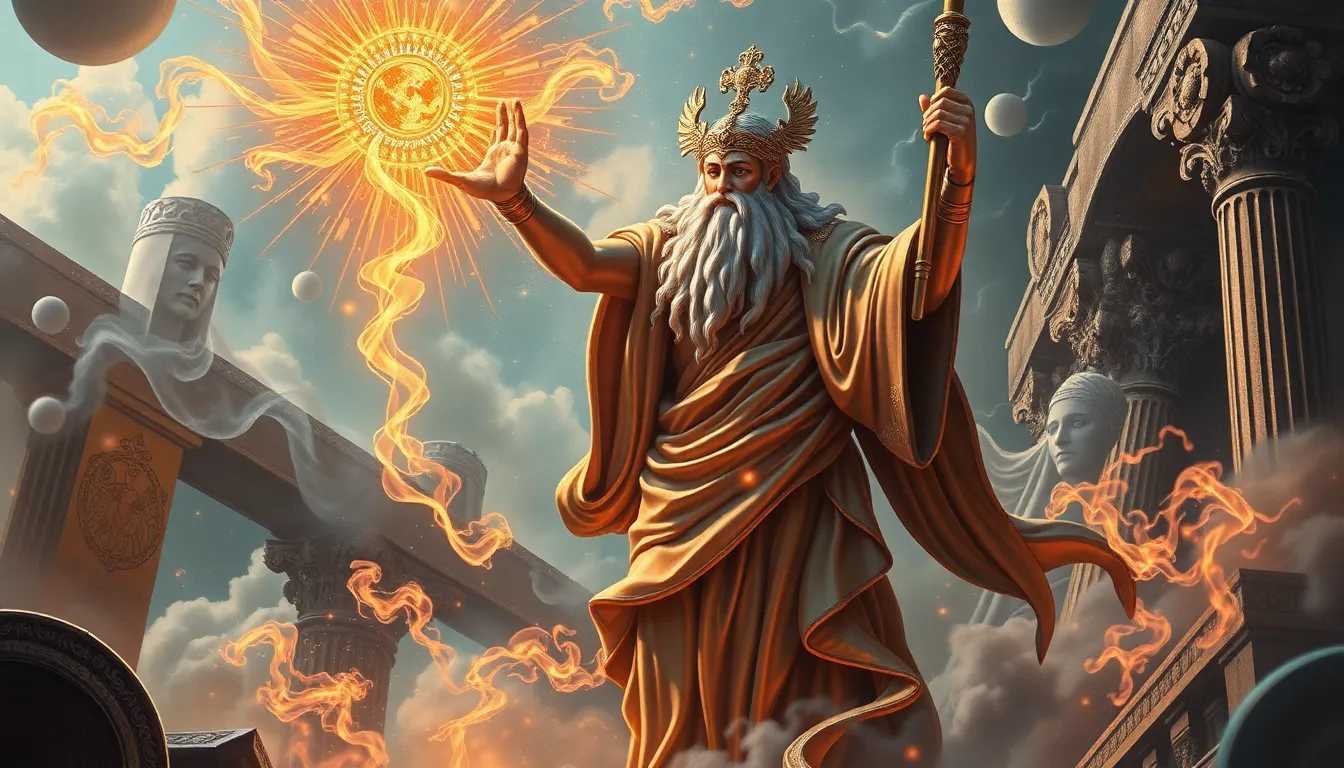
Divine Elixirs: The Myths of Gods Bestowing Eternal Life
I. Introduction
The concept of divine elixirs has captivated the human imagination for centuries, symbolizing the ultimate desire for immortality and eternal youth. These mythical substances, often bestowed by gods or found in sacred realms, promise the gift of life beyond mortal limitations. The cultural significance of immortality in mythology reflects humanity’s profound quest to transcend the boundaries of existence, to conquer death and suffering.
This article explores the historical context, prominent myths, symbolism, and modern interpretations of divine elixirs, illuminating their enduring relevance in our quest for eternal life.
II. Historical Context of Immortality Myths
Throughout history, ancient civilizations have pursued the elusive dream of eternal life, often intertwining their beliefs with the narratives of their deities. From the Sumerians to the Egyptians, the quest for immortality has been a driving force in cultural development.
A. Ancient civilizations and their pursuit of eternal life
Many ancient cultures believed that immortality could be achieved through various means:
- Sumerians: The Epic of Gilgamesh illustrates the hero’s quest for everlasting life.
- Egyptians: The afterlife was central to their beliefs, with mummification as a way to preserve the body for eternity.
- Greeks: Myths about divine elixirs reflect their understanding of life, death, and the gods’ roles in human affairs.
B. The role of gods in shaping beliefs about immortality
In many myths, gods serve as gatekeepers to the secrets of eternal life, providing divine elixirs or knowledge that grants immortality. This relationship underscores the belief that life and death are controlled by higher powers.
C. Key texts and artifacts that reference divine elixirs
Various texts and artifacts from ancient cultures provide insight into the myths of divine elixirs:
- The Epic of Gilgamesh: An ancient Mesopotamian poem that narrates the quest for immortality.
- The Odyssey: Homer’s epic includes references to ambrosia, the food of the gods that grants immortality.
- Alchemical texts: In medieval Europe, alchemists sought the Philosopher’s Stone, believed to confer eternal life.
III. Prominent Myths of Divine Elixirs
Divine elixirs appear across various mythologies, each carrying unique attributes and meanings. Here are three notable examples:
A. The Nectar of the Gods in Greek mythology
In Greek mythology, the gods consumed ambrosia and nectar, substances that granted them immortality and eternal youth. These divine foods were often depicted as the source of the gods’ powers and vitality.
B. The Elixir of Life in Chinese mythology
Chinese mythology features the Elixir of Life, a substance sought by alchemists and immortals, believed to grant eternal life and spiritual enlightenment. This elixir is often associated with the legendary figure Xuanzang, who embarked on a journey to obtain it.
C. The Amrita in Hindu mythology
In Hindu mythology, Amrita is the nectar of immortality churned from the ocean of milk during the Samudra Manthan. The gods and demons fought for its possession, symbolizing the eternal struggle between good and evil. Consuming Amrita grants eternal life, underscoring the significance of balance in the universe.
IV. Symbolism and Interpretation of Divine Elixirs
Divine elixirs carry deep symbolic meanings across cultures, often representing the human desire to transcend mortality.
A. What divine elixirs symbolize in various cultures
Elixirs often symbolize:
- Hope: The possibility of overcoming death and achieving eternal life.
- Divine favor: The blessings of the gods that bestow immortality upon chosen individuals.
- Knowledge: The quest for wisdom and enlightenment that accompanies the search for immortality.
B. The psychological and societal implications of seeking immortality
The desire for immortality reflects fundamental human anxieties about death and the unknown. This pursuit can lead to:
- Existential reflection: Contemplation of life’s meaning and purpose.
- Social stratification: The belief that only certain individuals or elites deserve immortality can create divides within society.
C. The connection between elixirs and the human condition
Divine elixirs often highlight the fragility of human life and the inherent desire to escape it. They serve as metaphors for:
- Transience: The fleeting nature of life and the inevitability of death.
- Human ambition: The relentless pursuit of goals, even those deemed unattainable.
V. The Search for Immortality in Modern Times
In contemporary society, ancient myths of divine elixirs continue to resonate, inspiring new interpretations and quests for longevity.
A. Contemporary interpretations of ancient myths
Modern narratives often reinterpret these ancient myths through various lenses, including:
- Literature and film: Stories that explore themes of immortality and the consequences of living forever.
- Philosophy: Debates about the ethics and desirability of immortality in a modern context.
B. Scientific advancements in longevity and anti-aging
With advancements in biotechnology and medicine, the quest for a modern “elixir” of life is becoming more tangible. Research in areas such as:
- Genetics: Understanding the role of genes in aging.
- Stem cell therapy: Exploring possibilities for rejuvenation.
- Caloric restriction: Studying its effects on lifespan extension.
These scientific endeavors echo the ancient pursuit of immortality, often raising ethical questions about the implications of extending life.
C. The quest for a modern “elixir” of life
Today, the idea of an elixir has transformed into various health supplements, diets, and lifestyle choices aimed at promoting longevity. This contemporary quest reflects humanity’s enduring fascination with the notion of eternal life.
VI. The Impact of Myths on Art and Literature
The myths surrounding divine elixirs have profoundly influenced art and literature, inspiring countless works across cultures.
A. Representation of divine elixirs in art across cultures
Artists have depicted divine elixirs in various forms, often symbolizing the duality of life and death. Notable representations include:
- Ancient Greek pottery: Illustrations of gods consuming ambrosia.
- Renaissance paintings: Works depicting alchemical themes and the pursuit of immortality.
B. Influence on literary works and storytelling practices
Many literary works draw upon the symbolism of divine elixirs, using them to explore themes of desire, loss, and the human condition:
- Fantasy novels: Often feature quests for magical potions that grant immortality.
- Poetry: Explores the longing for eternal youth and the fear of death.
C. How these myths continue to inspire modern narratives
The themes of divine elixirs remain prevalent in modern storytelling, as creators grapple with the implications of immortality in an ever-changing world.
VII. Critiques and Skepticism of Immortality Myths
Despite the allure of immortality, philosophical debates surrounding its desirability raise important questions.
A. Philosophical debates surrounding the desirability of eternal life
Many philosophers argue against the pursuit of immortality, suggesting that:
- Life’s value: Is derived from its finite nature, making experiences and relationships more meaningful.