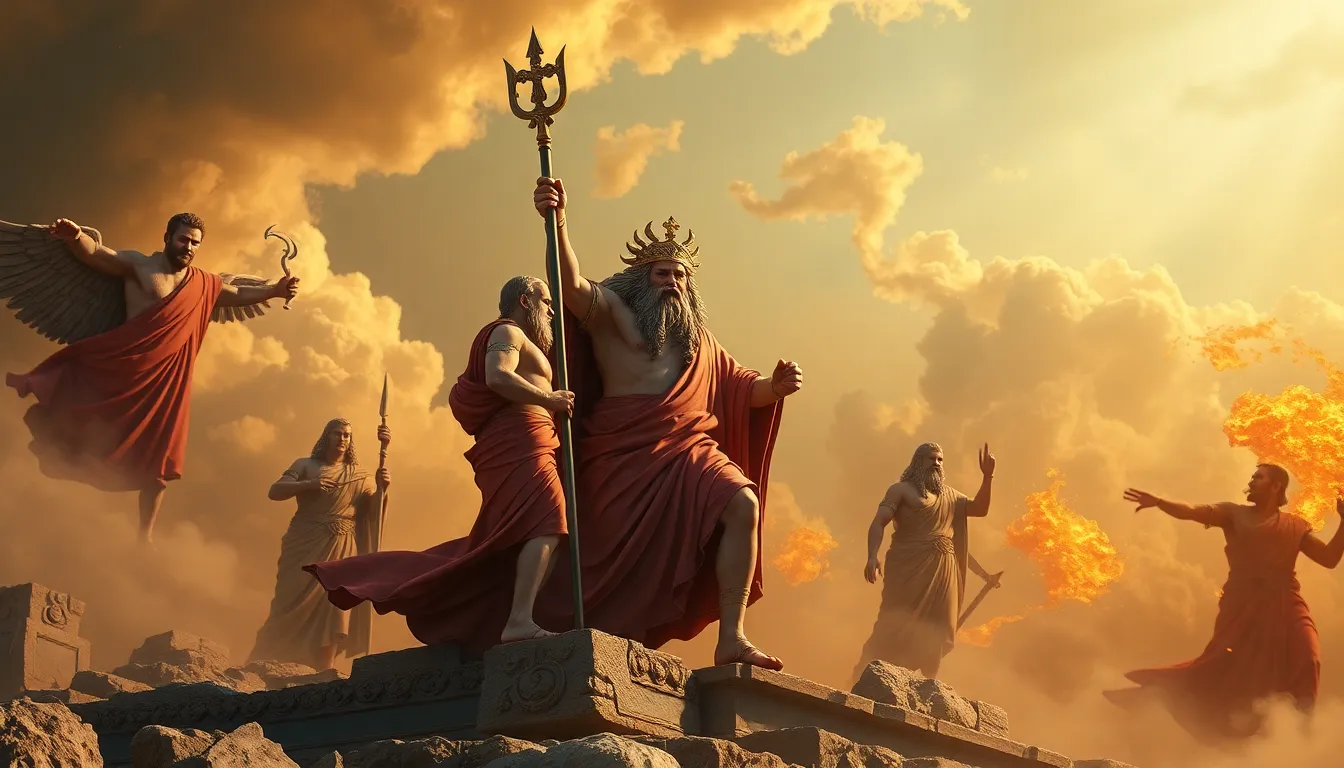
Divine Punishments: The Fates of Mortals Who Angered the Gods
I. Introduction
In the realm of mythology, divine punishment serves as a vital concept, illustrating the consequences of mortals’ actions against the will of the gods. These narratives emphasize the intricate relationship between humanity and the divine, often reflecting societal values and moral frameworks. Understanding these myths not only offers insight into ancient beliefs but also reveals timeless lessons relevant even today. This article explores the historical context of divine punishments, notable myths depicting retribution, the mechanisms behind these punishments, and their enduring impact on society.
II. Historical Context of Divine Punishments
Throughout history, various ancient civilizations have held beliefs in numerous gods who actively influenced the world. These deities were seen not only as creators but also as enforcers of moral order. Their interventions were often justified as necessary to maintain balance and justice within human affairs.
Key ancient cultures, such as the Greeks, Romans, and Norse, had rich mythological traditions that showcased divine retribution:
- Greek Mythology: The Olympian gods, led by Zeus, were known for their swift and often harsh punishments of mortals who displayed hubris.
- Roman Mythology: Similar to the Greeks, the Romans believed their gods enforced moral behavior through rewards and punishments.
- Norse Mythology: The Norse gods also exacted punishments, often reflecting their own complex and sometimes capricious nature.
III. Notable Myths of Divine Retribution
Many myths detail the fates of those who angered the gods, illustrating the dire consequences of defiance. Among these, two tales stand out for their profound implications.
A. Case Study: The Story of Prometheus
Prometheus, a Titan known for his intelligence and cunning, defied the gods by stealing fire from Olympus and giving it to humanity. This act of rebellion symbolized enlightenment and progress but also angered Zeus, who viewed it as a grave insult.
- Background of Prometheus’s Defiance: His gift of fire not only improved the lives of mortals but also made them more independent, challenging the gods’ authority.
- The Punishment He Faced: In retaliation, Zeus condemned Prometheus to an eternity of torment, having him bound to a rock where an eagle would eat his liver daily, which would regenerate each night.
B. Case Study: The Tale of Niobe
Niobe, the queen of Thebes, was blessed with fourteen children and boasted about her superiority over the goddess Leto, who had only two children, Apollo and Artemis.
- Niobe’s Hubris: Her arrogance provoked the wrath of Leto, who sent her children to exact vengeance.
- Consequences of Her Arrogance: Apollo and Artemis killed all of Niobe’s children, leading her to a state of eternal mourning, symbolizing the dangers of pride and disrespect towards the divine.
IV. The Mechanisms of Divine Punishment
The methods employed by gods to punish mortals vary widely, incorporating physical, emotional, and social dimensions. Common themes include:
- Physical Punishment: Many myths feature bodily harm or transformation as a direct consequence of defiance.
- Psychological Torment: Gods often inflicted mental anguish, forcing mortals to confront their failures and misdeeds.
- Social Isolation: Divine punishment could lead to a mortal’s alienation from society, reflecting their moral failings.
The symbolism behind these punishments is significant, often reflecting the moral lessons intended to guide humanity. These narratives convey psychological and ethical teachings, warning against hubris, greed, and disobedience.
V. The Role of Fate and Destiny
Fate plays a crucial role in many mythologies, where divine punishments often align with predestined events. This intersection raises questions about free will and determinism.
A. Exploration of the Concept of Fate
In Greek mythology, the Fates (Moirai) were three sisters who controlled the destiny of mortals, weaving the threads of life. Their influence highlights the inevitability of certain outcomes, regardless of human effort.
B. Case Study: The Story of Oedipus
The tale of Oedipus exemplifies the inescapable nature of fate. Despite his attempts to avoid his foretold destiny of killing his father and marrying his mother, Oedipus ultimately fulfills the prophecy through his actions, illustrating the tragic interplay between free will and fate.
VI. The Impact of Divine Punishments on Society
The narratives of divine retribution have significantly influenced cultural norms and moral frameworks throughout history. The consequences faced by mythological figures serve as cautionary tales, reinforcing societal values.
A. Influence on Cultural Norms
These myths have shaped ethical guidelines, emphasizing the importance of humility, reverence for the gods, and the consequences of immoral behavior.
B. The Role in Literature and Art
Divine punishments have been a recurring theme in literature and art, inspiring countless works that explore the complexities of human nature and morality.
C. Modern Interpretations
Today, these ancient myths continue to resonate, offering insights into contemporary issues of justice, ethics, and the human condition. Many modern retellings explore themes of accountability and the repercussions of one’s actions.
VII. Comparisons Across Cultures
While divine punishments exist in many cultures, the methods and reasons for these punishments can vary widely.
A. Similarities and Differences
In both Mesopotamian and Greek mythologies, the gods exhibit a strong sense of justice, but their motivations and methods can differ:
- Mesopotamian Gods: Often more capricious, with punishments reflecting the chaotic nature of the universe.
- Greek Pantheon: Focused on moral lessons, emphasizing the importance of respect and humility.
B. Cultural Values
The perception of divine justice is heavily influenced by cultural values, shaping how societies view retribution and morality. Each culture’s myths reflect its unique beliefs about the divine and human behavior.
VIII. Conclusion
In summary, the significance of divine punishment in mythology is profound, serving as a reflection of ancient values and moral lessons that continue to resonate today. These stories illustrate the consequences of mortal actions and the importance of humility in the face of the divine. The enduring legacy of these myths invites modern audiences to reflect on their moral implications, ensuring that the lessons of the past remain relevant in contemporary society.