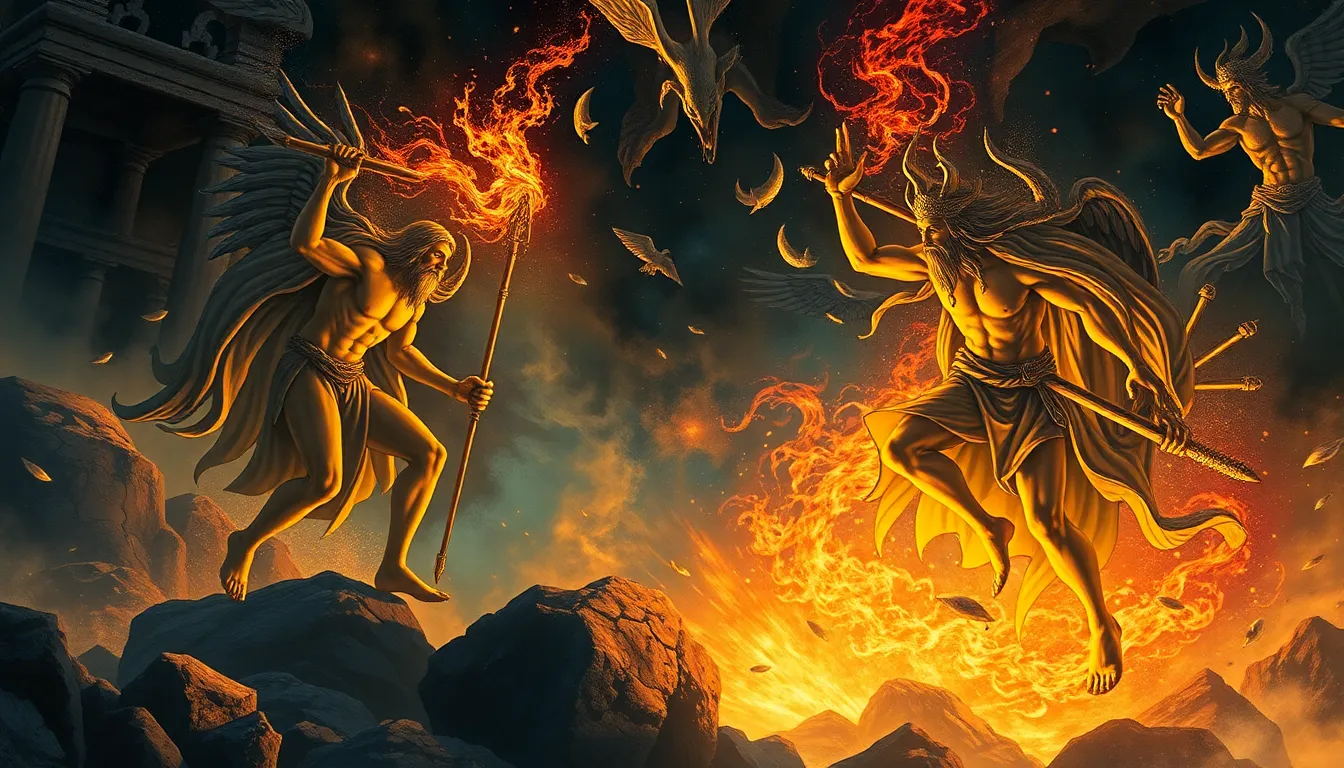
Divine Punishments: The Myths Behind the Wrath of the Gods
I. Introduction
Divine punishment in mythology refers to the retribution meted out by gods or supernatural forces to humans for their transgressions or moral failings. These narratives serve as cautionary tales, illustrating the consequences of hubris, disobedience, or moral corruption. Understanding these myths is crucial, as they provide insight into ancient cultures’ values and beliefs regarding morality, justice, and the human experience.
This article will explore the historical context of divine punishments, delve into the psychology behind divine wrath, examine prominent myths, discuss symbolism and interpretation, and consider the evolution of these themes in modern culture. Finally, we will critique traditional views and explore alternative perspectives on divine punishment.
II. Historical Context of Divine Punishments
Throughout history, various ancient civilizations have held a belief in powerful gods who govern human affairs and the natural world. These deities were often seen as enforcers of moral order, punishing those who acted against divine laws.
A. Ancient civilizations and their beliefs in gods
From the Greeks and Romans to the Egyptians and Mesopotamians, gods were integral to understanding existence. Each civilization personified natural elements and human qualities in their deities, often portraying them as capricious and vengeful. For example:
- Greek Mythology: The Olympian gods, like Zeus and Hera, were known for their intense emotions and willingness to punish mortals.
- Egyptian Mythology: Gods like Ra and Osiris enforced cosmic order (Ma’at) and exacted penalties on those who disrupted it.
- Mesopotamian Mythology: Deities such as Marduk and Ishtar were believed to control fate and deliver punishment to the wicked.
B. Role of divine punishment in maintaining societal order
Divine punishment served not only as a means of enforcing moral codes but also as a tool for maintaining societal order. The belief that gods were watching over human actions instilled a sense of accountability among the populace, promoting ethical behavior and adherence to societal norms.
C. Comparison of divine punishment concepts across cultures
While the specifics of divine punishment vary between cultures, common themes emerge:
- Retribution: Many myths feature retribution as a core principle, where wrongdoers face severe consequences.
- Justice: Divine punishment often aligns with a broader sense of justice, reinforcing moral values.
- Mercy: Some myths introduce elements of mercy, portraying gods who offer second chances or forgiveness.
III. The Psychology of Divine Wrath
The concept of divine punishment resonates deeply within the human psyche. It addresses fundamental questions about suffering, morality, and the nature of justice.
A. The human need for explanations of suffering
Humans have an inherent need to understand suffering and misfortune. Myths of divine punishment provide explanations for life’s hardships, attributing them to divine will rather than random chance. This offers comfort in the face of adversity and helps individuals make sense of their experiences.
B. Fear and respect for the divine as a societal mechanism
Fear of divine punishment serves as a powerful societal mechanism. It promotes respect for authority and adherence to moral codes. Myths that depict the wrath of gods instill a sense of caution, encouraging individuals to consider the consequences of their actions.
C. Psychological impacts of believing in divine retribution
Belief in divine retribution can have profound psychological effects, influencing behavior and decision-making. It may lead to:
- Conformity: Adhering to societal norms out of fear of punishment.
- Guilt: Feelings of guilt can arise from perceived moral failings, affecting mental well-being.
- Hope: Conversely, the belief in eventual divine justice can instill hope and resilience.
IV. Prominent Myths of Divine Punishments
Various myths illustrate the theme of divine punishment across cultures. Three prominent examples include:
A. Greek mythology: Zeus and the punishment of Prometheus
In Greek mythology, Prometheus defied Zeus by stealing fire from the gods and giving it to humanity. As punishment, Zeus condemned Prometheus to eternal torment, having him bound to a rock where an eagle would eat his liver daily, only for it to regenerate each night. This myth encapsulates themes of rebellion, the cost of knowledge, and the harshness of divine retribution.
B. Norse mythology: Loki and the consequences of his mischief
Loki, the trickster god of Norse mythology, embodies chaos and mischief. After orchestrating the death of the beloved god Baldr, Loki faced severe punishment. He was bound with the entrails of his son while a serpent dripped venom onto his face. This myth highlights the consequences of deceit and the inevitable wrath of the gods.
C. Hindu mythology: The wrath of Kali and its symbolic meanings
Kali, the fierce goddess in Hindu mythology, represents destruction and transformation. Her wrath is often directed at those who disrupt cosmic order or threaten dharma (moral law). Kali’s punishing nature serves as a reminder of the balance between creation and destruction, emphasizing the necessity of divine wrath in maintaining harmony.
V. Symbolism and Interpretation of Divine Punishments
Divine punishments in mythology are rich in symbolism and offer profound insights into human morality.
A. Understanding the metaphorical meanings behind myths
Many myths serve as metaphors for human experiences, illustrating the consequences of moral choices. For instance, Prometheus’s suffering can symbolize the burdens of knowledge and the risks of challenging authority.
B. The role of divine punishment as a narrative device
Divine punishment often functions as a narrative device, driving plotlines and character development. It creates tension and conflict, compelling characters to confront their moral dilemmas.
C. How myths reflect human morality and ethics
Through the lens of divine punishment, myths reflect societal values and ethical standards. They teach lessons about justice, virtue, and the complexities of human nature, encouraging reflection on moral conduct.
VI. The Evolution of Divine Punishments in Modern Culture
As societies evolve, so too do their interpretations of divine punishments. Contemporary culture often reinterprets ancient myths, adapting them to modern moral dilemmas.
A. Reinterpretation of ancient myths in contemporary society
Modern literature, films, and art frequently draw upon ancient myths, reexamining the concepts of divine punishment. Characters may face moral consequences that echo the lessons of the past, but with contemporary twists.
B. Influence of divine punishment themes in literature and media
The themes of divine punishment resonate in many modern narratives, serving as cautionary tales for contemporary audiences. Examples include:
- Literature: Books that explore the consequences of moral failings often echo mythological themes.
- Film: Movies frequently depict characters facing divine or supernatural retribution for their actions.
- Television: Series often intertwine moral dilemmas with themes of justice and punishment.
C. The relevance of these myths in today’s moral discussions
The myths surrounding divine punishment remain relevant in contemporary moral discussions, prompting debates about justice, accountability, and the nature of good and evil. They challenge individuals to consider the implications of their actions and the societal structures that govern behavior.
VII. Critiques and Alternate Views on Divine Punishment
While divine punishment has been a significant theme in mythology, various critiques and alternative views exist.
A. Theological perspectives on justice and mercy
Theological discourse often grapples with the balance between justice and mercy. Some argue that traditional views of divine punishment may overlook the complexities of forgiveness and redemption.
B. Critiques of traditional interpretations of divine wrath
Critics contend that traditional interpretations can perpetuate fear and control, potentially leading to harmful ideologies. They argue for a more nuanced understanding of divine qualities, emphasizing compassion over retribution.
C. Alternative mythologies that emphasize forgiveness over punishment
Some mythologies prioritize