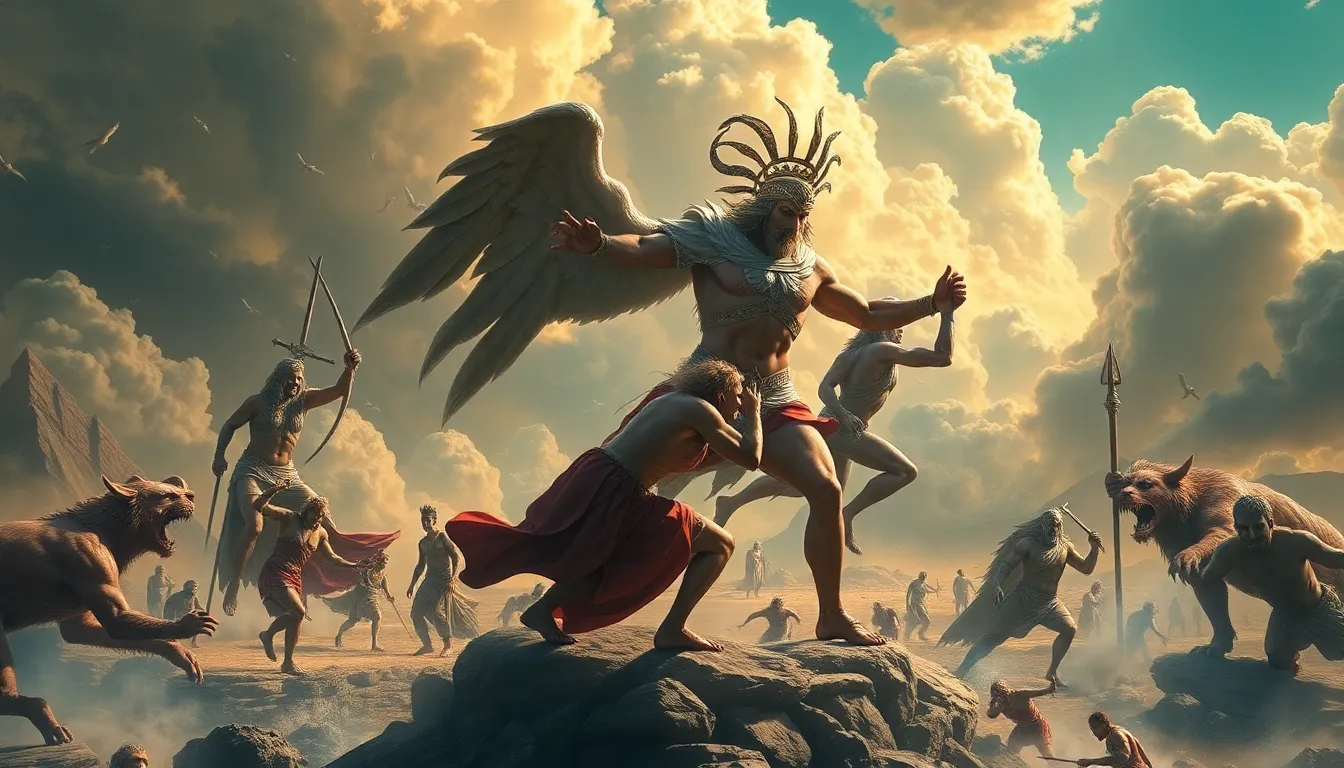
Epic Showdowns: The Most Famous Trials of the Greek Gods
I. Introduction
Greek mythology is a rich tapestry of stories and legends that have influenced Western culture for centuries. It encompasses a vast array of deities, heroes, and mythical creatures, each with their own unique narratives that explore themes of love, power, morality, and fate.
Among the most intriguing aspects of these myths are the trials faced by the gods themselves. These divine contests often reflect significant moral and ethical dilemmas, showcasing the complexities of the deities’ personalities and their relationships with one another and with mortals.
This article aims to delve into some of the most famous trials among the Greek gods, highlighting their implications and the lessons they convey about justice, fate, and the human condition.
II. The Nature of Divine Trials in Greek Mythology
In Greek mythology, trials can be defined as contests or disputes among gods and mortals that often require adjudication or resolution. These trials serve not only as a narrative device but also as a means to explore deeper philosophical questions about morality, justice, and the nature of divinity.
The roles of fate and justice are central to these trials. The concept of Moira, or fate, suggests that the outcomes of these divine contests are often predetermined, leading to questions about free will and the limits of divine power. Likewise, the trials often reflect societal values, particularly regarding concepts of justice and retribution.
These trials also mirror human emotions, displaying themes such as jealousy, ambition, and desire. Through the conflicts among the gods, we gain insight into the complexities of human nature and the moral choices that define our actions.
III. The Trial of Athena vs. Poseidon
The contest between Athena and Poseidon for the patronage of the city of Athens is one of the most famous trials in Greek mythology. According to myth, both deities sought to become the protector of the city, which was then known as Cecrops.
In their trial, Athena and Poseidon presented gifts to the citizens of Athens. Poseidon struck the ground with his trident, creating a saltwater spring, which symbolized naval power and trade. Athena, on the other hand, offered the olive tree, representing peace and prosperity.
The citizens, led by Cecrops, chose Athena’s gift, deeming it more beneficial for their society. As a result, Athena became the patron goddess of Athens, and the city was named in her honor. This trial not only established Athena’s supremacy but also emphasized the values of wisdom and peace over brute strength.
IV. The Judgment of Paris
The Judgment of Paris is a pivotal tale that ultimately leads to the Trojan War. The story begins with a beauty contest among three goddesses: Hera, Athena, and Aphrodite, each vying to be named the fairest.
Paris, a mortal prince of Troy, was chosen to judge the contest. Each goddess offered him a bribe: Hera promised power, Athena promised wisdom, and Aphrodite offered the love of the most beautiful mortal woman, Helen of Sparta. Paris chose Aphrodite as the winner, leading to dire consequences.
The fallout from Paris’s decision ignited the Trojan War, a conflict that involved numerous gods and mortals and ultimately resulted in the fall of Troy. This trial underscores the themes of desire, choice, and the catastrophic consequences that can arise from seemingly simple decisions.
V. The Trial of Orestes
The trial of Orestes is a significant mythological event that reflects the evolution of justice in Greek mythology. After avenging his father’s murder by killing his mother, Clytemnestra, Orestes is pursued by the Furies, ancient deities representing vengeance.
Seeking absolution, Orestes appeals to the goddess Athena for judgment. In a landmark trial held on the Areopagus, Athena presides over the case, weighing the arguments for and against Orestes’s actions. The Furies argue for vengeance, while Orestes’s defense hinges on the notion of familial duty and divine command.
The outcome of this trial is pivotal: Orestes is acquitted, and the Furies are transformed into the Eumenides, representing a shift from vengeance to a more civilized form of justice. This trial marks a critical development in the Greek understanding of law and morality, emphasizing the importance of reason and compassion over retribution.
VI. The Trial of the Titans
The Titanomachy, or the battle between the Olympian gods and the Titans, culminated in a trial of sorts following their defeat. The Titans, led by Cronus, were overthrown by Zeus and his siblings, resulting in their imprisonment in Tartarus.
Key figures in this trial included Zeus, the ruler of the Olympians, and Cronus, their father. The arguments revolved around the justifications for their overthrow and the consequences of the Titans’ rebellion against the Olympian order.
The aftermath of this trial established the supremacy of the Olympian gods and set the stage for their reign over the cosmos. It highlights the themes of generational conflict, the struggle for power, and the consequences of hubris among the divine.
VII. The Role of Mortals in Divine Trials
Mortals often play a crucial role in the trials of the gods, influencing outcomes and serving as mediators of divine conflicts. Their actions can bring about significant changes in the narratives of the gods.
Some notable examples include:
- Paris: His choice in the Judgment of Paris had far-reaching consequences, leading to the Trojan War.
- Orestes: His quest for justice and redemption highlights the interplay between human agency and divine will.
- Cecrops: The mortal king of Athens whose decision in the trial between Athena and Poseidon shaped the city’s identity.
These mortal characters reflect human traits such as ambition, desire, and moral struggle, serving as conduits for the exploration of deeper themes in divine narratives.
VIII. Conclusion
The trials of the Greek gods are not merely stories of conflict; they are profound explorations of justice, morality, and the human experience. Each trial encapsulates themes that resonate throughout history, revealing the complexities of human nature and the divine.
These myths continue to impact literature, art, and culture, serving as timeless reminders of the struggles between fate and free will, power and responsibility. For those intrigued by these themes, further exploration of Greek mythology offers a rich landscape of stories that challenge and inspire.