Exploring the Labyrinth: The Symbolism Behind the Minotaur’s Home
I. Introduction
The myth of the Minotaur is one of the most intriguing stories from Greek mythology, encapsulating themes of fear, heroism, and the complexities of the human psyche. At the heart of this myth lies the labyrinth, a complex maze designed to confine the fearsome creature known as the Minotaur. This article aims to delve into the significance of the labyrinth, examining its rich symbolism and its enduring relevance in both ancient and modern contexts.
II. Historical Context of the Labyrinth
A. Origins of the labyrinth in ancient Minoan culture
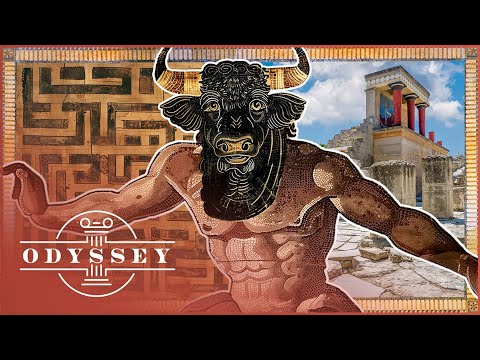
The labyrinth is believed to have originated in ancient Minoan culture, particularly on the island of Crete. The Minoans constructed elaborate palaces that featured intricate architectural designs, leading to the concept of a labyrinth. Archaeological evidence suggests that the layout of the Palace of Knossos, with its numerous rooms and corridors, may have inspired the mythological labyrinth.
B. The role of the labyrinth in Greek mythology
In Greek mythology, the labyrinth serves as the prison for the Minotaur, a creature born from the unnatural union of Pasiphaë, the wife of King Minos, and a magnificent bull. The labyrinth embodies chaos and entrapment, representing the darker aspects of human nature and the consequences of hubris.
C. The link between the labyrinth and Crete
Crete, as the birthplace of the labyrinth myth, plays a critical role in understanding its symbolism. The island was a center of trade and cultural exchange, which allowed for the mingling of different ideas and beliefs. This cultural backdrop enriched the labyrinth’s narrative, transforming it into a symbol of both physical and psychological entrapment.
III. The Minotaur: A Duality of Nature
A. Description of the Minotaur and his significance
The Minotaur, with the body of a man and the head of a bull, represents a striking duality—brutality combined with humanity. This creature is significant not only as a monster but also as a symbol of the darker sides of human nature, including rage, lust, and unchecked desire.
B. The Minotaur as a representation of human fears and desires
- The Minotaur embodies primal instincts, showcasing humanity’s struggle between civilization and savagery.
- He signifies the fears that lurk within ourselves, often manifesting as the monsters we create in our minds.
C. The psychological implications of the Minotaur’s character
Psychologically, the Minotaur can be seen as a representation of the human subconscious, where repressed fears and desires dwell. This duality prompts audiences to confront their own inner monsters, making the myth relevant across generations.
IV. The Labyrinth as a Symbol of Complexity
A. The structure of the labyrinth: a maze of confusion
The labyrinth is not merely a physical structure but a symbol of confusion and complexity. Its intricate design reflects the convoluted nature of life, filled with twists and turns that can lead one to uncertainty.
B. Metaphors for life’s challenges and uncertainties
In many ways, the labyrinth serves as a metaphor for the challenges we face in life. Just as Theseus navigates the maze to confront the Minotaur, individuals must find their way through the complexities of existence, facing fears and overcoming obstacles.
C. The journey through the labyrinth as a rite of passage
The journey through the labyrinth can be viewed as a rite of passage, symbolizing personal growth and transformation. Emerging from the labyrinth signifies the attainment of wisdom and self-awareness, essential aspects of the human experience.
V. The Role of Theseus and the Hero’s Journey
A. Introduction to Theseus and his quest
Theseus, the hero of this myth, embarks on a perilous journey to slay the Minotaur and liberate the youth of Athens who are sent as tributes. His quest is not just a physical challenge but also a metaphorical journey toward maturity and self-discovery.
B. The symbolism of the hero confronting the Minotaur
The confrontation between Theseus and the Minotaur symbolizes the struggle between good and evil, light and darkness. It represents the hero’s journey of facing one’s fears and the battle against the chaos represented by the Minotaur.
C. The theme of bravery and self-discovery in the labyrinth
Throughout his journey, Theseus exemplifies bravery and resourcefulness. The act of navigating the labyrinth and confronting the Minotaur is a profound journey of self-discovery, highlighting the importance of courage in the face of adversity.
VI. The Labyrinth in Art and Literature
A. Depictions of the labyrinth in ancient art
The labyrinth has been depicted in various forms of ancient art, from pottery to frescoes. These representations often illustrate the myth of the Minotaur, capturing the essence of fear and entrapment.
B. Influence on modern literature and popular culture
The influence of the labyrinth extends into modern literature and popular culture, inspiring countless adaptations and interpretations. Works such as Jorge Luis Borges’ “The Garden of Forking Paths” and films like “Pan’s Labyrinth” explore labyrinthine themes, reflecting the complexity of human experience.
C. The labyrinth as a recurring motif in storytelling
- The labyrinth serves as a powerful motif in storytelling, representing the journey of characters as they navigate their own challenges.
- It invites audiences to reflect on their own life paths and the obstacles they must overcome.
VII. Psychological Interpretations of the Labyrinth
A. Jungian analysis: the labyrinth as the unconscious mind
From a Jungian perspective, the labyrinth can be interpreted as a representation of the unconscious mind, a realm filled with hidden fears and desires. Navigating the labyrinth symbolizes the journey toward self-awareness and integration of the self.
B. The labyrinth as a metaphor for personal growth
As individuals traverse their own life labyrinths, they encounter challenges that promote personal growth. The struggles faced within the labyrinth mirror the internal conflicts that lead to transformation and enlightenment.
C. Exploring the themes of fear, isolation, and enlightenment
- The labyrinth symbolizes fear and isolation, as it can create a sense of entrapment and disorientation.
- However, it also represents the possibility of enlightenment, as the journey through the labyrinth ultimately leads to self-discovery and clarity.
VIII. Conclusion
The labyrinth is a multifaceted symbol that encapsulates the complexities of human existence. From its origins in ancient Minoan culture to its portrayal in modern storytelling, the labyrinth continues to resonate with audiences today. The enduring legacy of the Minotaur and the labyrinth serves as a reminder of the importance of confronting our fears and navigating the intricate pathways of life. Understanding these symbols can offer profound insights into our own journeys, illuminating the challenges and triumphs that define our human experience.