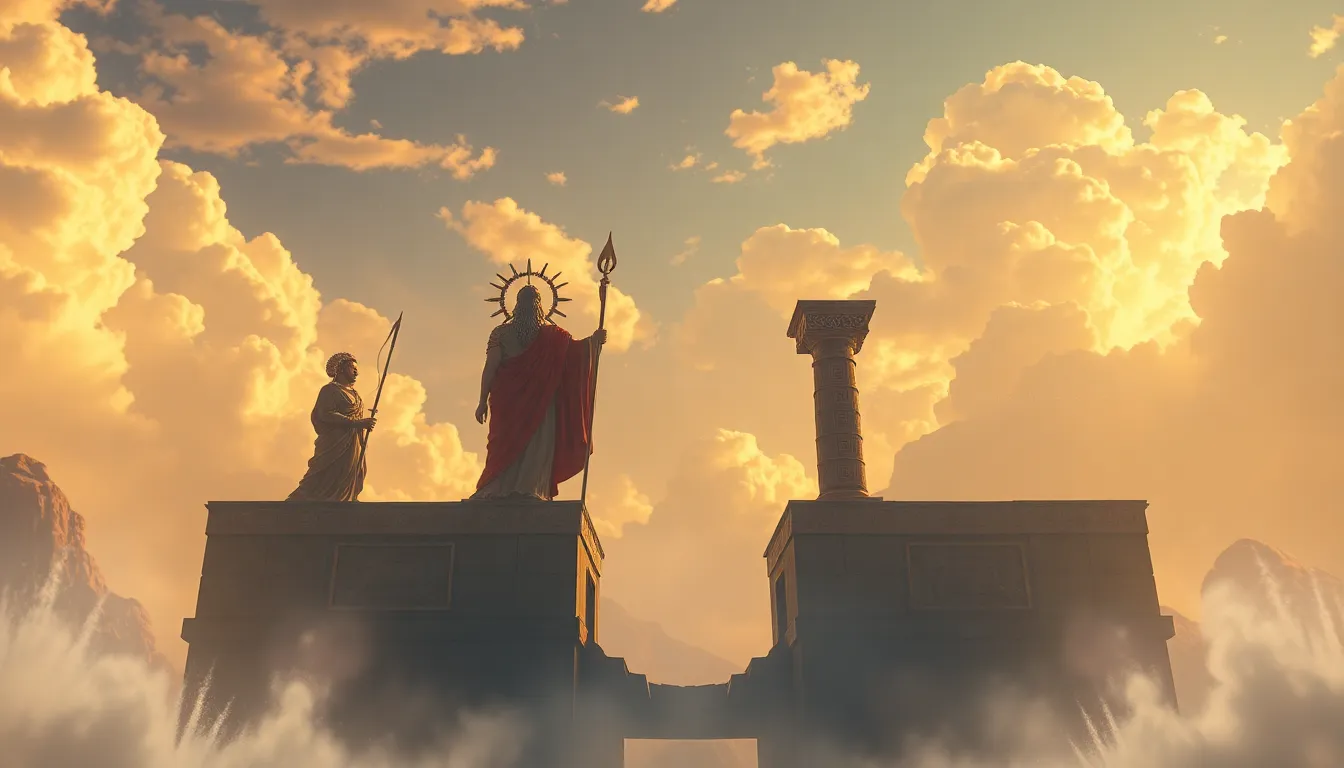
Gods and Mortals: The Trials That Bridged Two Worlds
I. Introduction
The relationship between gods and mortals in mythology is a complex and fascinating one, characterized by both reverence and conflict. In many ancient cultures, gods were seen as powerful beings who shaped the world and influenced the fates of humans. This dynamic often led to trials—challenging tasks or quests that tested the strength, wit, and character of mortals. These trials served as a narrative device to illustrate the connection between the divine and human realms.
This article aims to explore key trials that connect these two worlds, shedding light on their significance in mythology and their enduring impact on culture and literature.
II. The Nature of Divine Trials
In a mythological context, trials can be defined as significant challenges or quests that heroes must undertake, often imposed by the gods. These trials serve multiple purposes, including:
- Testing the hero’s abilities and character
- Proving their worthiness to the gods
- Facilitating growth and transformation
Common themes found in these trials include the struggle between good and evil, the quest for knowledge, and the confrontation of personal fears. The participation of mortals in divine plans often reflects the belief that their actions can influence the will of the gods, and their successes or failures can alter the course of fate.
III. Legendary Trials in Ancient Mythology
A. Greek Mythology: The Twelve Labors of Heracles
One of the most iconic examples of divine trials in Greek mythology is the Twelve Labors of Heracles. After being driven mad by Hera, Heracles was tasked with completing twelve seemingly impossible labors as penance. These labors included:
- Slaying the Nemean Lion
- Slaying the nine-headed Lernaean Hydra
- Capturing the Golden Hind of Artemis
- Capturing the Erymanthian Boar
- Cleansing the Augean Stables
- Slaying the Stymphalian Birds
- Capturing the Cretan Bull
- Stealing the Mares of Diomedes
- Obtaining the Girdle of Hippolyta
- Obtaining the Cattle of Geryon
- Stealing the Apples of the Hesperides
- Capturing Cerberus, the three-headed dog
Each labor symbolized different aspects of strength, intelligence, and perseverance. For example:
- The Nemean Lion represented invulnerability and the need to confront one’s fears.
- The Hydra showcased the complexity of problems that multiply if not dealt with decisively.
- The Apples of the Hesperides signified the quest for knowledge and the rewards of wisdom.
B. Norse Mythology: The Trials of Thor
In Norse mythology, Thor, the god of thunder, also faced numerous trials that challenged his strength and character. Some key challenges included:
- The contest of strength against the giant Hrungnir
- The journey to the land of giants, where he faced the giant Utgard-Loki
- The theft of his hammer, Mjölnir, and the ensuing quest to retrieve it
These trials highlighted Thor’s role as a protector of both gods and mortals. His challenges often had far-reaching impacts, demonstrating the interconnectedness of the divine and human worlds.
IV. Trials as a Means of Growth and Transformation
Trials in mythology often serve as catalysts for personal growth and transformation. Through facing adversity, characters evolve and become more than they were before. This theme is prevalent in many myths, where trials lead to the following:
- Increased wisdom and knowledge
- Strengthened character and moral fiber
- Recognition of one’s true potential
The concept of heroism is intrinsically linked to trials. Heroes are often defined by their ability to overcome challenges, embodying the ideals of courage, resilience, and self-sacrifice. Both gods and mortals are shaped by the trials they face, as these experiences forge their identities and destinies.
V. Modern Interpretations and Adaptations
The themes of ancient trials continue to resonate in contemporary literature and media. Modern retellings of these trials often draw inspiration from classic myths, adapting them to reflect current societal values and issues. For example:
- Books like Rick Riordan’s “Percy Jackson” series reinterpret Greek mythology for a younger audience, showcasing trials faced by modern heroes.
- Films such as “Thor” and “The Avengers” explore the trials of gods in a contemporary setting, highlighting themes of teamwork and personal sacrifice.
- Television series like “American Gods” present a modern take on mythological narratives, examining the relevance of ancient trials in today’s society.
These adaptations not only keep the stories alive but also provide a lens through which we can examine our own trials and challenges in life.
VI. The Consequences of Trials: Rewards and Punishments
The outcomes of trials in mythology often carry dual consequences, resulting in both blessings and curses. Successful trials typically lead to rewards, while failures may result in punishment or suffering. Some examples include:
- Heracles, after completing his labors, gained immortality and a place among the gods.
- Thor, after retrieving his hammer, reaffirmed his role as a protector, but also faced ongoing challenges from giants.
Through these narratives, moral lessons emerge, illustrating the importance of perseverance, humility, and the consequences of one’s actions. The trials faced by characters often serve as cautionary tales, guiding both gods and mortals toward ethical behavior.
VII. The Legacy of Trials Across Cultures
The concept of trials is not unique to Greek and Norse mythology; various cultures have their own narratives that reflect similar themes. A comparative analysis reveals:
- In Hindu mythology, the trials of Rama in the “Ramayana” highlight the values of duty and righteousness.
- In Native American folklore, heroes like Coyote face trials that teach moral lessons about living in harmony with nature.
The cultural significance of these trials lies in their ability to bridge the mortal and divine, providing insights into the human condition. They influence religious and philosophical thought, shaping beliefs about destiny, morality, and the nature of existence.
VIII. Conclusion
In summary, the trials faced by both gods and mortals in mythology serve as essential narratives that connect the two realms. They illustrate the complexities of the human experience, highlighting themes of growth, transformation, and moral consequence. These stories continue to resonate today, reflecting our own struggles and aspirations.
As we explore the enduring nature of these narratives, we recognize that the trials of the past remain relevant, offering timeless lessons that inspire and challenge us in our own lives.